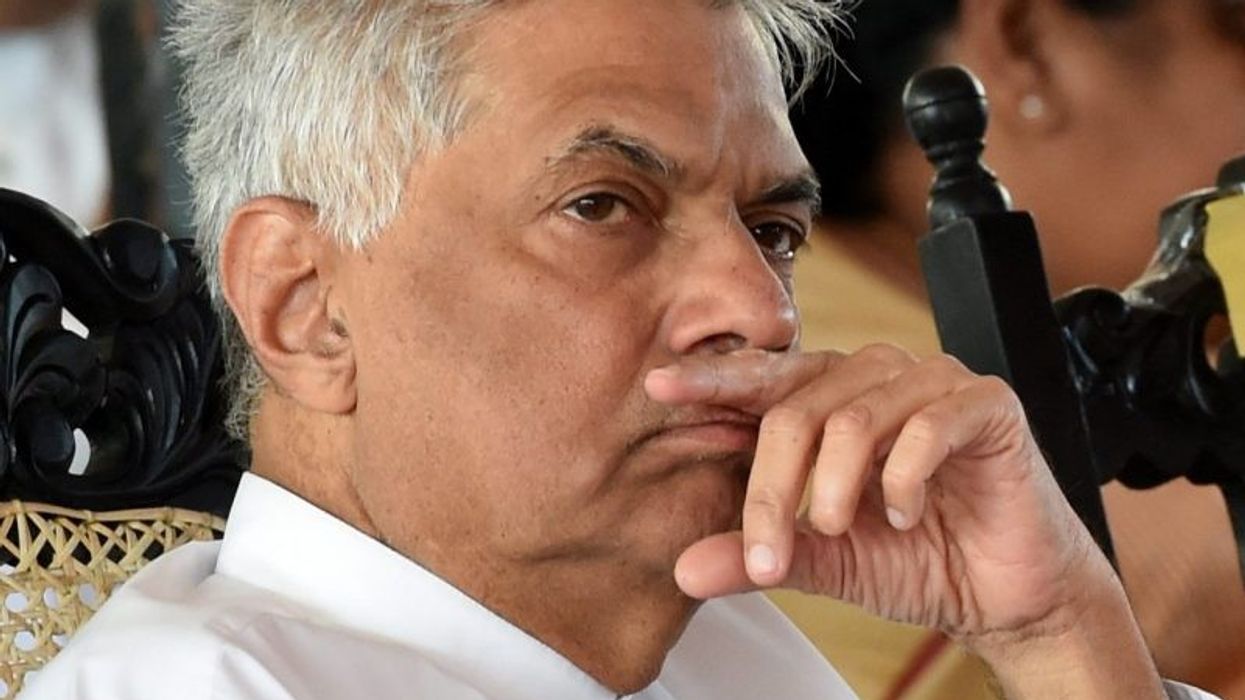

- A 90-year-old businessman failed to recover £850,000 from his grandson in the High Court.
- The money paid towards a house and luxury wedding was ruled to be a series of gifts.
- The family dispute followed a breakdown in a relationship once described as especially close.
A family dispute over £850,000 in property and wedding payments has ended in the High Court, with a judge ruling that a 90-year-old businessman cannot recover the money he gave to his grandson because it was gifted rather than loaned.
Robert Stokes, the fourth-generation owner of Stokes Tiles, had claimed the money advanced to his grandson, Sebastian Stokes, was intended as a loan and should be repaid. But the court found there was no evidence of any agreement requiring the money to be returned, dismissing the claim in full.
The case centred on payments made between 2020 and 2022, including more than £720,000 towards Sebastian's home in Sheffield and thousands of pounds to help pay for his wedding at the five-star Grantley Hall in North Yorkshire.
From family favourite to courtroom fight
The court heard that Sebastian, 31, had once been viewed as the future of the family's business, which dates back to 1895. After leaving a career in banking, he joined Stokes Tiles and was reportedly being prepared to lead the company in the years ahead.
Robert claimed the house purchase had always been intended as a joint investment, with plans to renovate and sell the property before repaying the money. He told the court he only became concerned after discovering extensive refurbishment work, which he believed was inconsistent with those plans.
In his witness statement, Robert reportedly said he felt he had been deceived and taken advantage of, adding that he was distressed after realising the property might never be sold.
Sebastian and his wife, Olivia, rejected those claims, arguing the house had always been bought as their family home and that Robert had willingly gifted the money to support both the purchase and their wedding.
Their legal team also suggested the dispute had been fuelled by wider family tensions, claiming other relatives were resentful of Sebastian's close relationship with his grandfather.
Judge finds no evidence of a loan
Delivering judgment, Judge Richard Carter found there was no evidence that the payments were loans or that the couple had agreed to repay the money.
The judge reportedly said Robert had been treated as the guest of honour at the wedding, reflecting his close relationship with the couple at the time. He also noted that there was nothing to suggest the wedding payments had been made on the expectation they would later be returned.
On the house purchase, the judge found there was no agreement requiring the property to be sold or any arrangement for Robert to recover his money from a future sale.
Judge Carter reportedly said it was possible Robert had later reconsidered his generosity after family relationships deteriorated and had attempted to recover money that had originally been given freely.
The ruling brings to an end a dispute that unfolded against the backdrop of one of Yorkshire's longest-running family businesses, leaving the court to conclude that what had once been generous financial support could not later be reclassified as a loan without clear evidence.