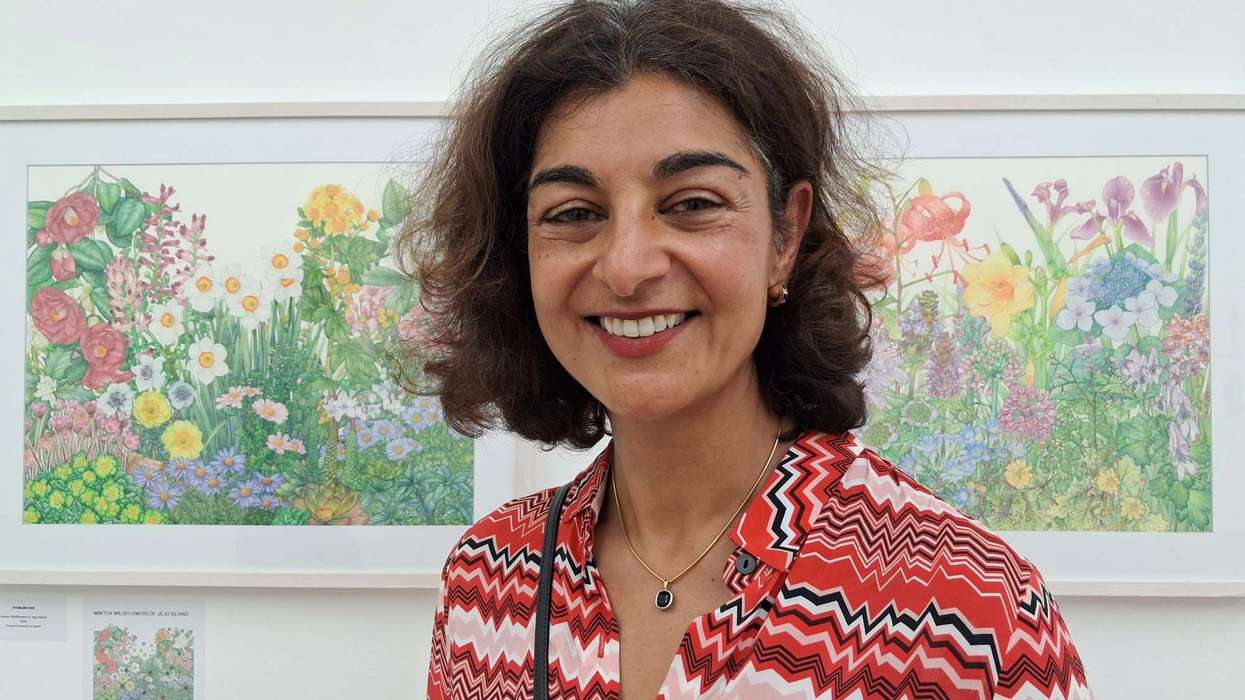

Tazim Essani, who is a member of the council of the Royal Horticultural Society, is very proud of her 45ft square London garden.
She said: “I had the great good fortune two years ago to have it redesigned by Ruth Wilmott, who is a fellow council member at the RHS, but also a gold medal-winning Chelsea designer. She’s given me the most beautiful design.”
She added: “It was a classic garden with a lawn in the middle and borders round the edges. Ruth got us to lift the lawn, put in three beds and plant some trees. And it’s just magical.”
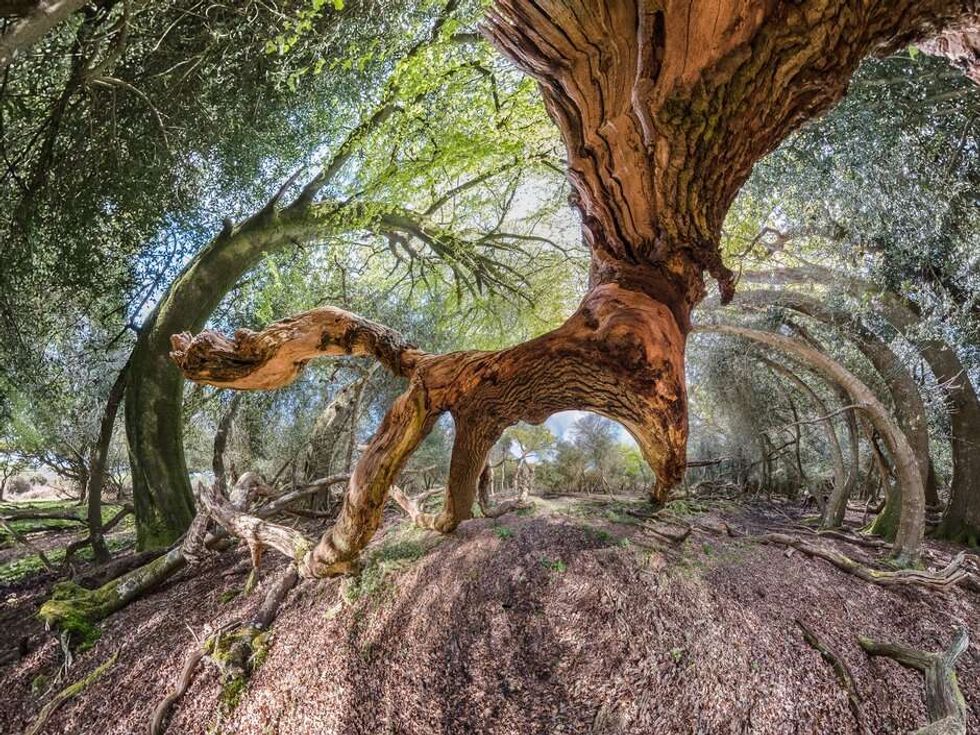 Dark Hat wood Konrad Cox
Essani was speaking to Eastern Eye at the Saatchi Gallery just off The King’s Road, Chelesea, where for the sixth year in succession, the RHS was holding its Botanical Art and Photography Show (this concluded on Sunday).
In the RHS’s 222ndyear, the number of paintings and photographs on display turned out to be – probably by coincidence – 222.
As in past years, the paintings, often watercolour on paper, were so precise they looked more like photographs, and the photographs were so imaginative they resembled paintings.
Of the two photographs that stood out, one was “Daffodils adrift at the woodland’s edge”, By Bennet Smith, and the other was “Dark Hat Wood”, by Conrad Cox.
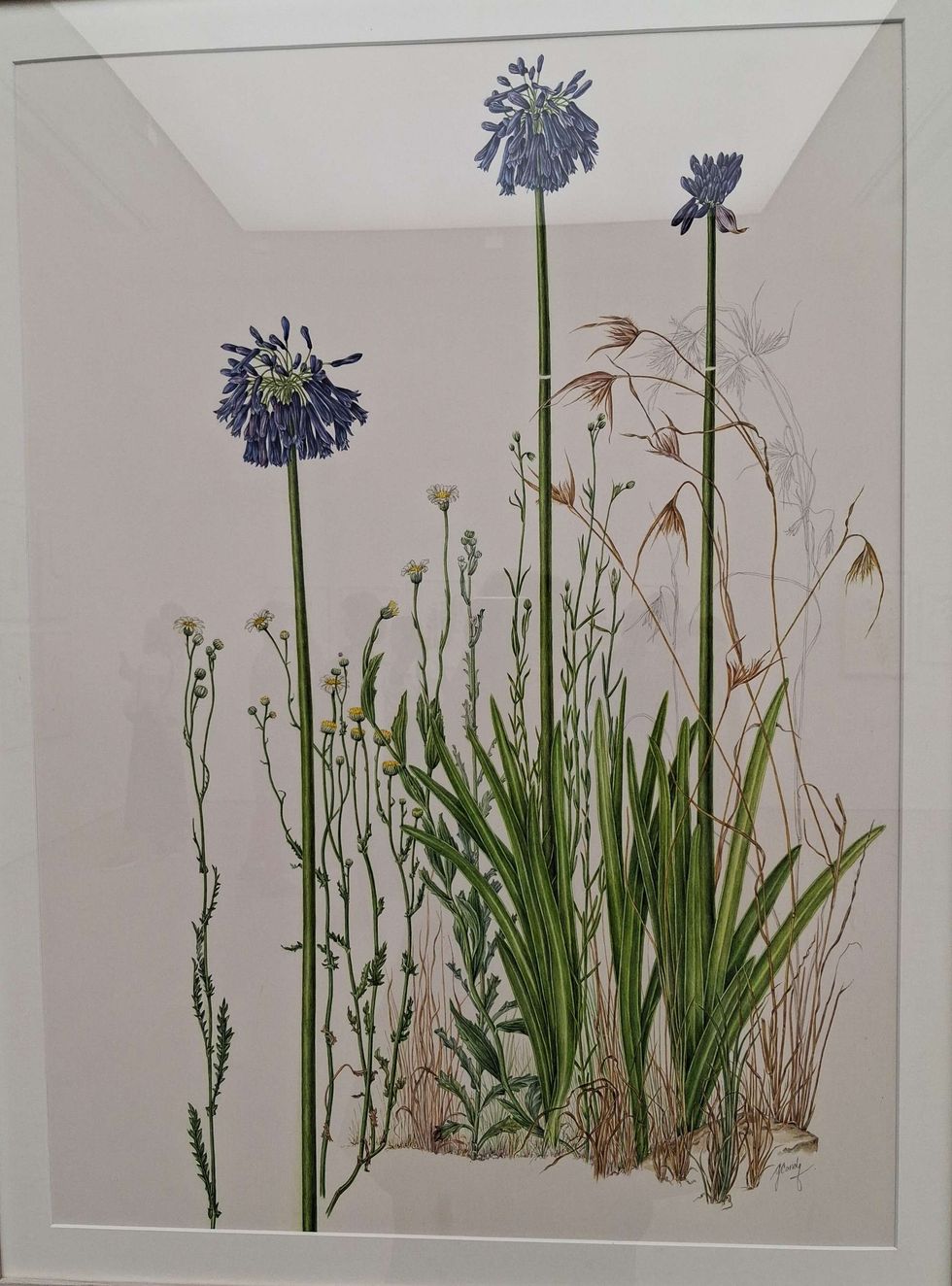 Agapanthus inapertus by Gillian Condy Amit Roy
According to the RHS, “Tazim has been a member of the Audit and Risk Committee since 2018 and is also a member of the Finance and Commercial Board. She is an executive coach with over 30 years of experience across strategy and digital transformation, including Non-executive Director roles on FTSE boards. Tazim brings wide experience in finance and strategy, and strongly believes that the wellbeing benefits of gardens and green spaces should be widely accessible for solace and joy.”
As a council member, Essani is trying to encourage more British Asians to take up gardening and even become RHS members. And she wants the RHS to be more pro-active in engaging with British Asians.
 RHS Botanical Art & Photography Show Amit Roy
She said: “Everything about gardening is accessible for everybody, and gardening can be planting a sunflower seed and enjoying a sunflower plant, and it can be having five acres of perfectly manicured lawns and herbaceous borders and everything in between. You don’t need to have a big house and garden to be a gardener. You can be a gardener just by loving plants, and that’s something everybody can do. Our collective joy and experience come from sharing the different things that we find attractive.”
As someone of Asian heritage herself, she pointed out: “There will be plants and colour combinations that the Asian eye is drawn to that will be different from the plants and colour combinations that somebody from a different background will be drawn to, and we all learn by sharing those experiences.”
She referred to the Chinese streamside garden at RHS Bridgewater.
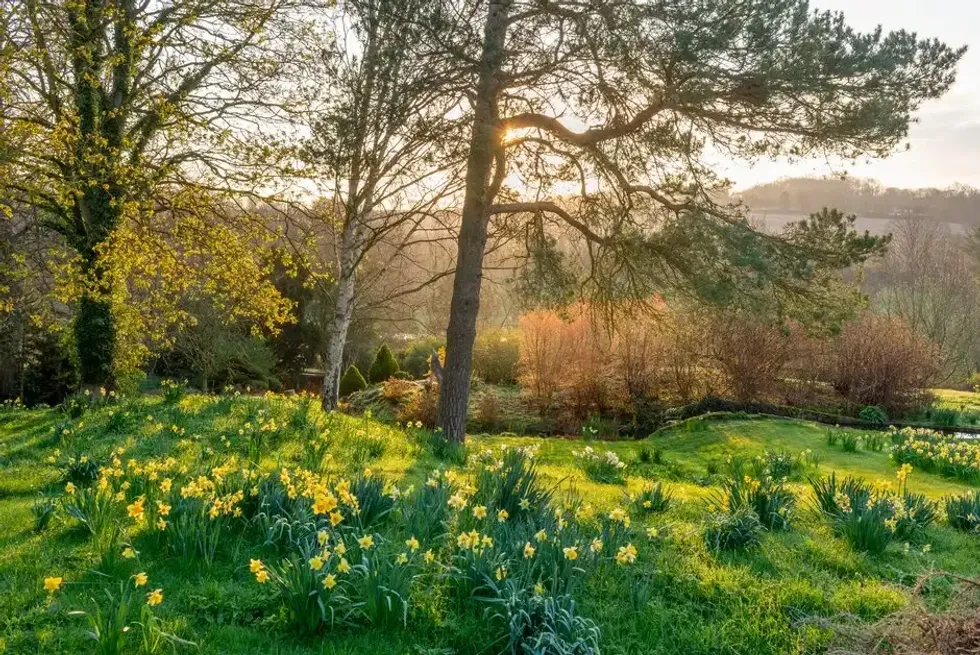 Daffodils adrift at the woodland’s edge Bennet Smith
Back in February, the RHS announced: “Planting has begun in the Yangzhou Scholars’ Garden being constructed at RHS Garden Bridgewater in Salford. More than 200 trees and shrubs, from 56 different species and cultivars, have been chosen not only to delight visitors through the seasons, but also for their significance and symbolism in Chinese culture.
“Among the plants chosen for the Yangzhou Scholars’ Garden, pine trees such as Pinus parviflora are associated with strength and endurance in Chinese culture, often withstanding harsh environments. Gnarled, twisted specimens are particularly prized, evoking the scene of an ancient pine clinging to a remote, rocky mountainside.”
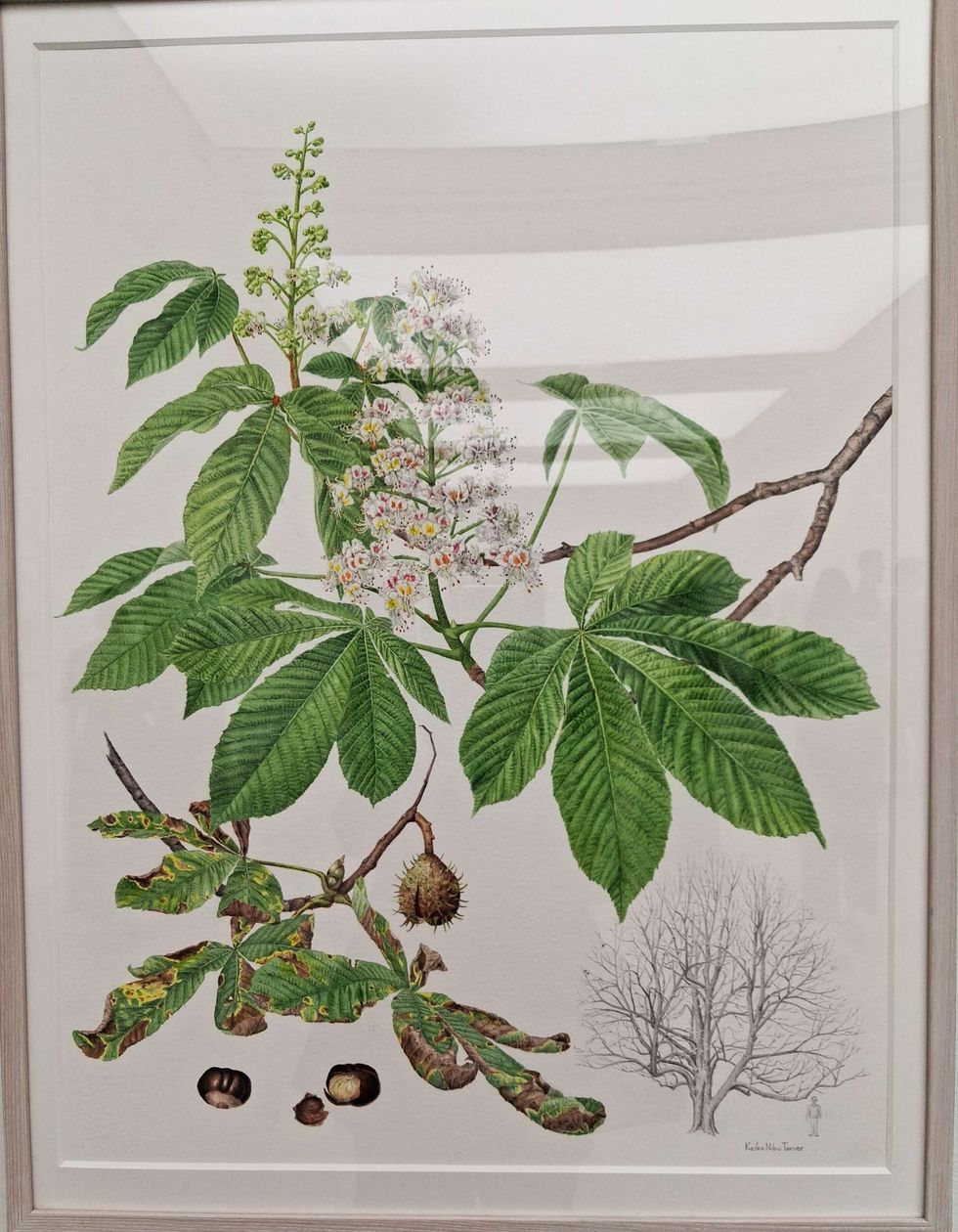 Horse chestnut by Keiki Nibu Tarver Amit Roy
Essani explained that the RHS “has worked very closely with horticulturalists from a particular part of China, where the planting is incredibly bright. They use a lot of very brightly coloured plants planted quite close together, and that is typical of their planting style. And with their skill and guidance, we have chosen to replicate that in this Chinese streamside garden in Bridgewater, so that people from other backgrounds can come and enjoy that particular thing.”
She said: “In the World Food Garden at RHS Wisley, we’ve planted food plants that are herbs, vegetables from different cultures. There are a lot of Caribbean squashes and chillies and things typical for Caribbean food. We have a number of plants from Sri Lanka and also from India that are typical foodstuffs there. But we’d like to do more.”
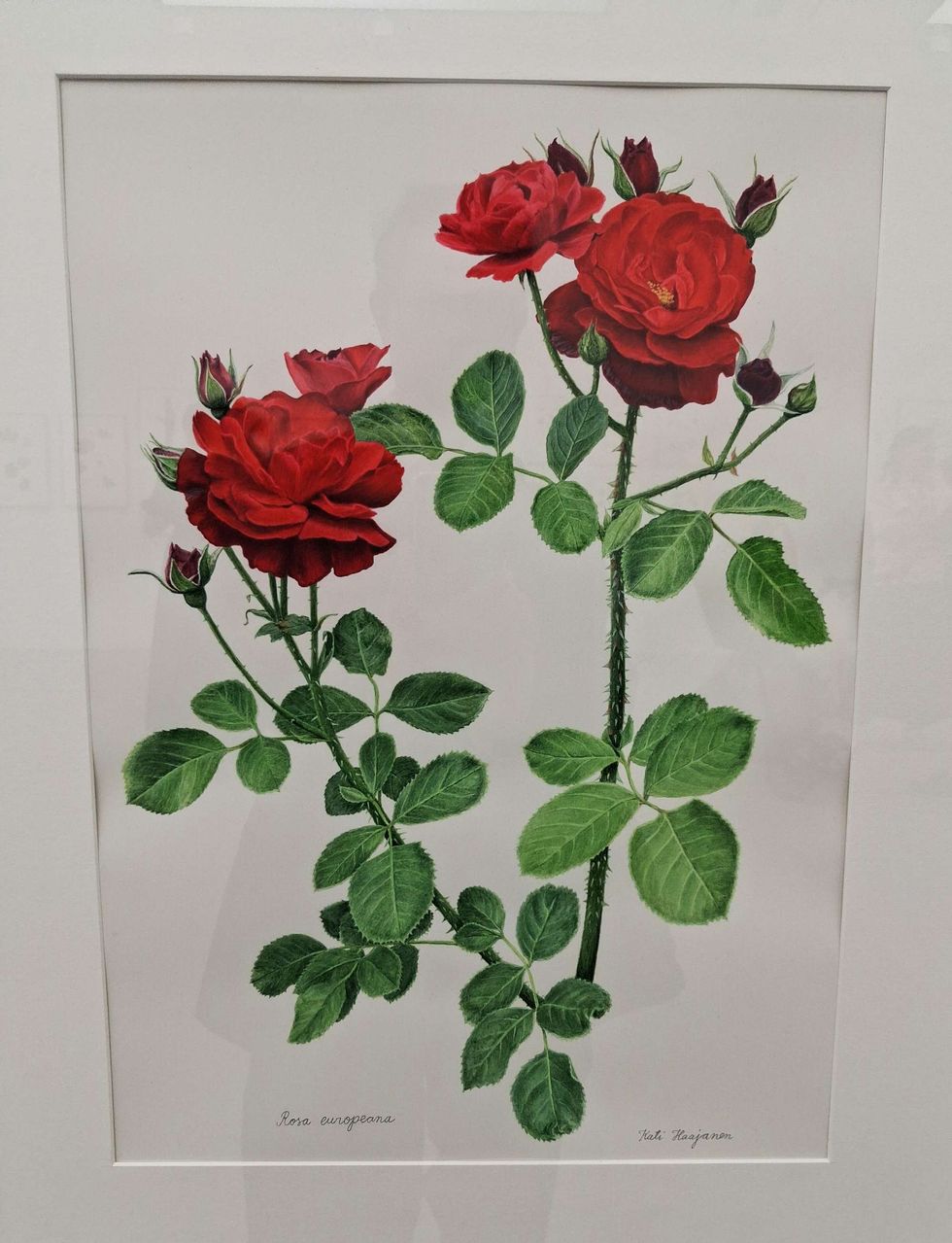 Rosa Europeana by Kati Haajanen Amit Roy
What she would like to do is also inform British Asians of their gardening heritage, for example, in Islamic gardens.
“The tradition that we see in gardens in Europe today – the use of water and the style of planting, the fact that gardens are a peaceful, restful place that speak to our mental well-being – actually come out of the Mughal Garden tradition from the 15th and 16th century when the Mughals were building those gardens (in India),” she stated. “The level of cultural sophistication in Britain and in Europe was much lower. When British people went to India for the first time, they were blown away by the (gardening) sophistication, knowledge, and expertise that was there at the time.
“That is what got transported back to Britain, and has become part (of this country). We think of it as British gardening, but actually it draws on other parts of the world in the same way that so many of our cultivated plants that we love and cherish – our rhododendrons, our azaleas, all different forms of lilies – all come from outside the UK, particularly from China and Japan.”
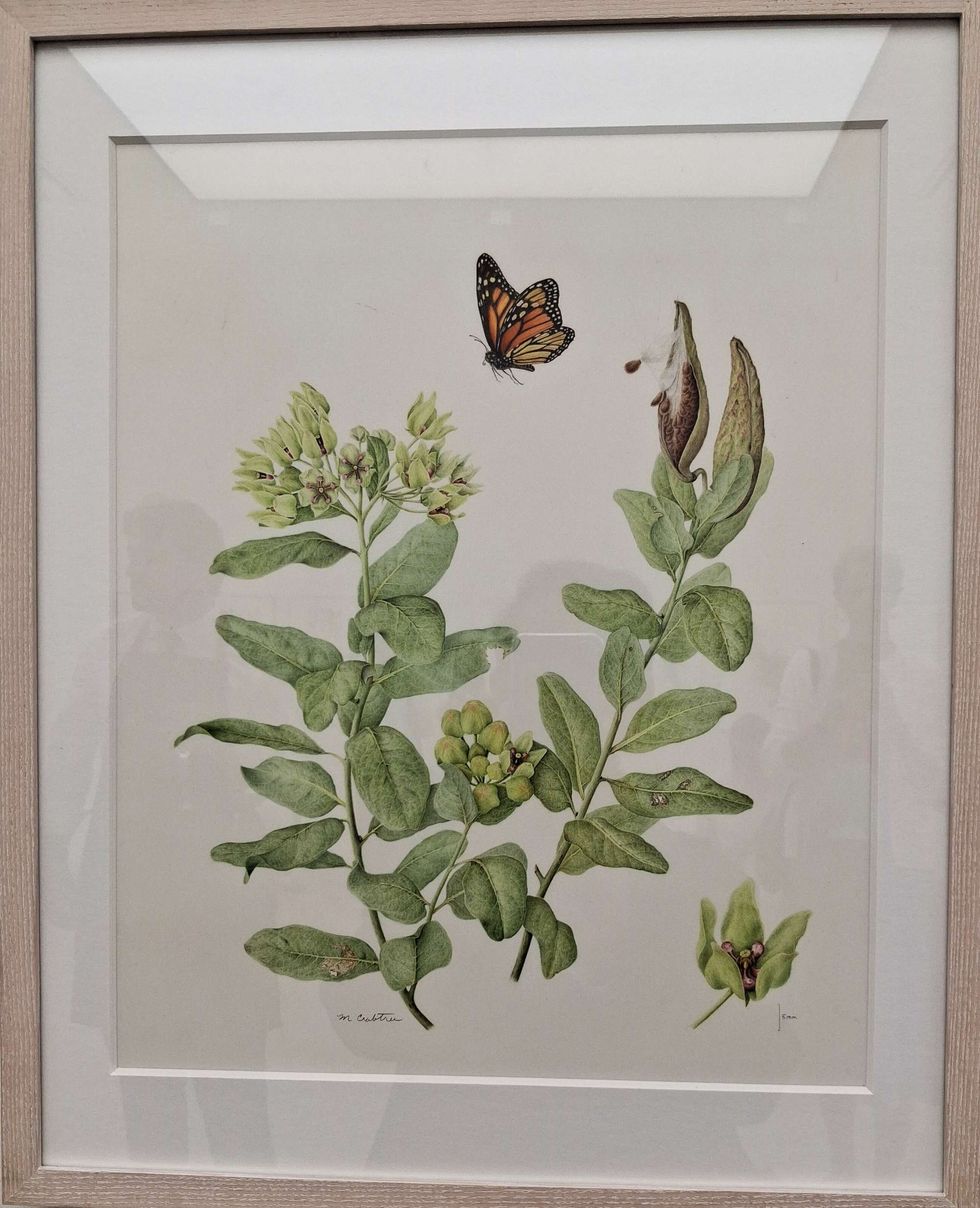 Green antelopehorn milkweed by Mary Crabtree Amit Roy
She returned to speaking about her own garden: “You don’t need vast space. You can actually do quite a lot with a very small space, and it should be possible to draw people in from a whole variety of economic backgrounds as well. You don’t need loads of money to make something beautiful.”
Another joy was to visit gardens: “You don’t necessarily have to do a huge amount directly yourself. But do you enjoy being in nature? Do you enjoy actually visiting a garden? Does coming to things that relate to gardens give you pleasure?”
Also at the show at the Saatchi admiring the paintings and photographs were Clare Matterson and Keith Weed, director general and president respectively of the RHS.
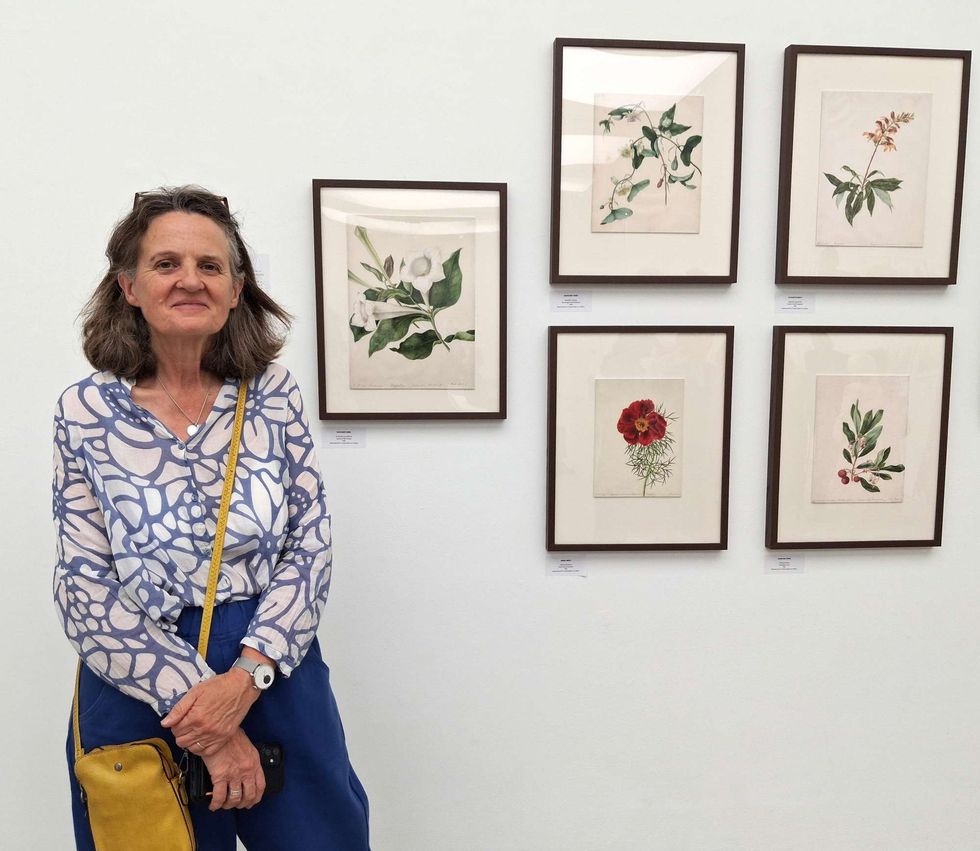 Clare Matterson Amit Roy
Weed said: “Our purpose at the RHS is around the science, art, and the practice of horticulture, and to find ways to inspire people.”
He thanked the judges who had selected the paintings and the photographs and awarded them medals: “The judges are really quite exceptional people. They spend so much time judging all this, and they are themselves experts. They are botanists, horticulturists, artists, photographers.”
The RHS said: “The 2026 exhibition of exceptional botanical art and photography, features an incredible diversity of subjects from vibrant wildflowers that emerge after wildfires in northwest England, to colourful Japanese mushrooms – the endangered endemic South African limestone fynbos, to the knotty roots of garden-grown varieties.”
Prof Alistair Griffiths, who is based at Wisley as the RHS director of science, said: “The portfolio is all about creating a body of work with excellent quality, which hangs together in a single exhibit, and which communicates a clear narrative about plants, gardens, or landscapes.”






 The September 11 Memorial and Museum stands on the site of the former World Trade Centre in New York, where the twin towers were destroyed in the 2001 attacks Spencer Platt/Getty Images