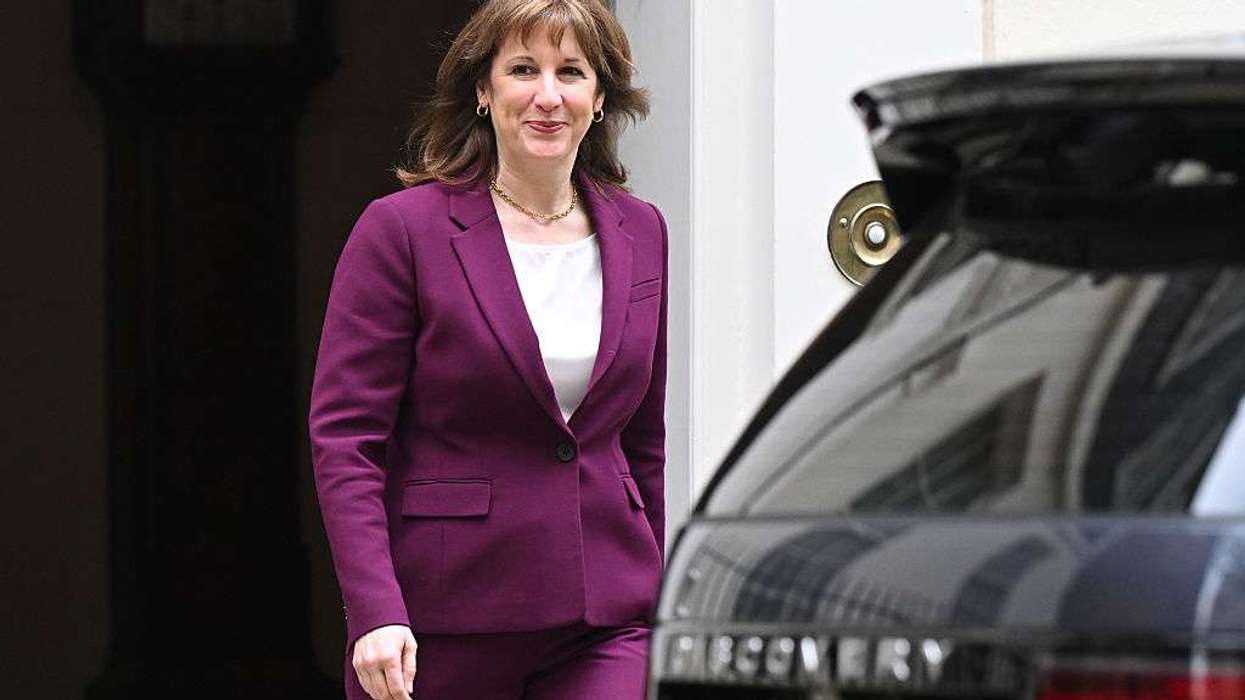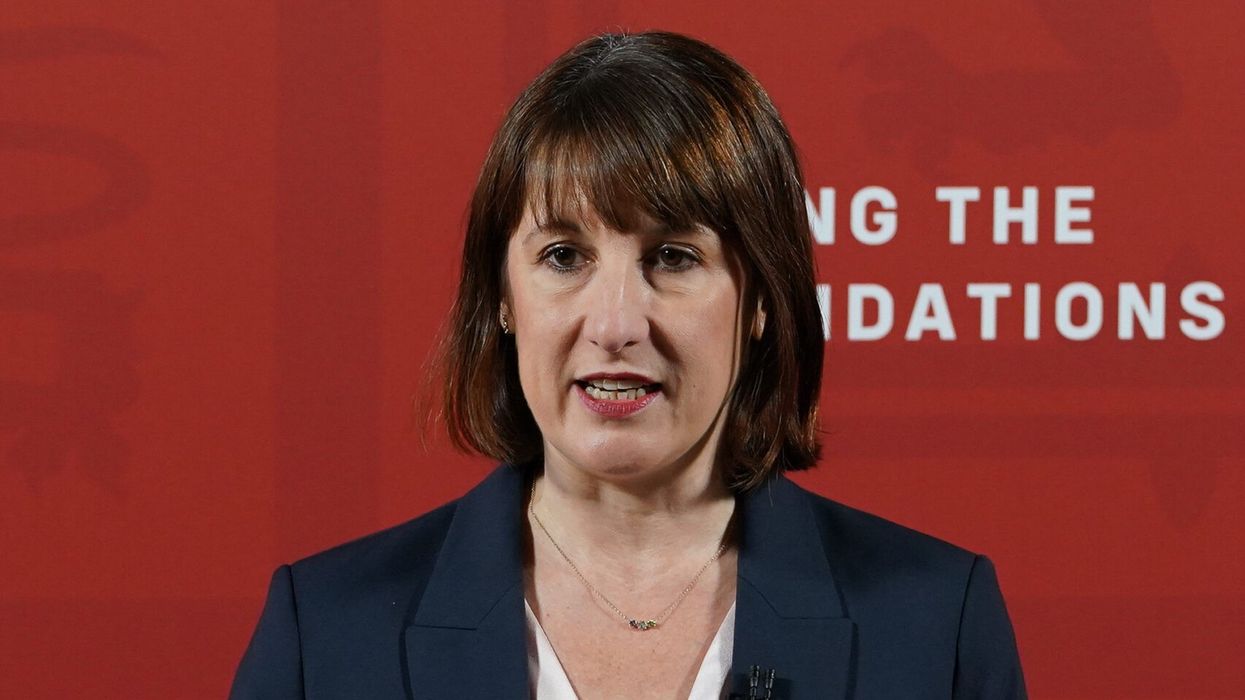

CHANCELLOR Rachel Reeves has said the government must support the Bank of England in bringing down inflation while also focusing on growth, ahead of a budget later this year that is expected to include tax rises.
Last week, Reeves said the economy was not “broken” as she announced November 26 as the date for her annual budget.
She pledged to keep a tight hold on spending to reduce inflation and borrowing costs amid concerns over Britain’s fiscal outlook.
Inflation in Britain was the highest among the Group of Seven economies at 3.8 per cent in July. The Bank of England expects it to peak at 4 per cent this month before gradually falling back to its 2 per cent target by the second quarter of 2027.
Prime minister Keir Starmer has said Labour inherited a difficult economic situation from the Conservatives after last year’s election.
Tax increases on businesses, efforts to cut welfare spending, and ongoing arrivals of migrants on small boats have hurt the government’s standing.
Starmer reshuffled his ministerial team last week in an effort to reset his government, though Reeves remained in place. At the first meeting of the new team, Reeves said that controlling inflation was a key priority.
“The government was focused on going further to support the Bank of England in reducing inflation, controlling public spending and driving growth,” a Downing Street spokesperson said after the meeting.
British 20- and 30-year gilt yields reached their highest levels since 1998 last week, with investors watching Britain’s fiscal situation and worried Reeves’ budget could slow growth without generating much tax revenue.
Economists have also warned that some possible tax measures in the budget, such as higher fuel duties and other levies, could add to inflation in the short term.
Previous government decisions on energy policy, as well as increases in employers’ national insurance contributions and the minimum wage, have also been linked to Britain’s high inflation rate.
(With inputs from agencies)