
THE LABOUR government will announce its plan on Monday to reduce regulatory costs for businesses as it faces pressure to boost economic growth nine months after coming to power.
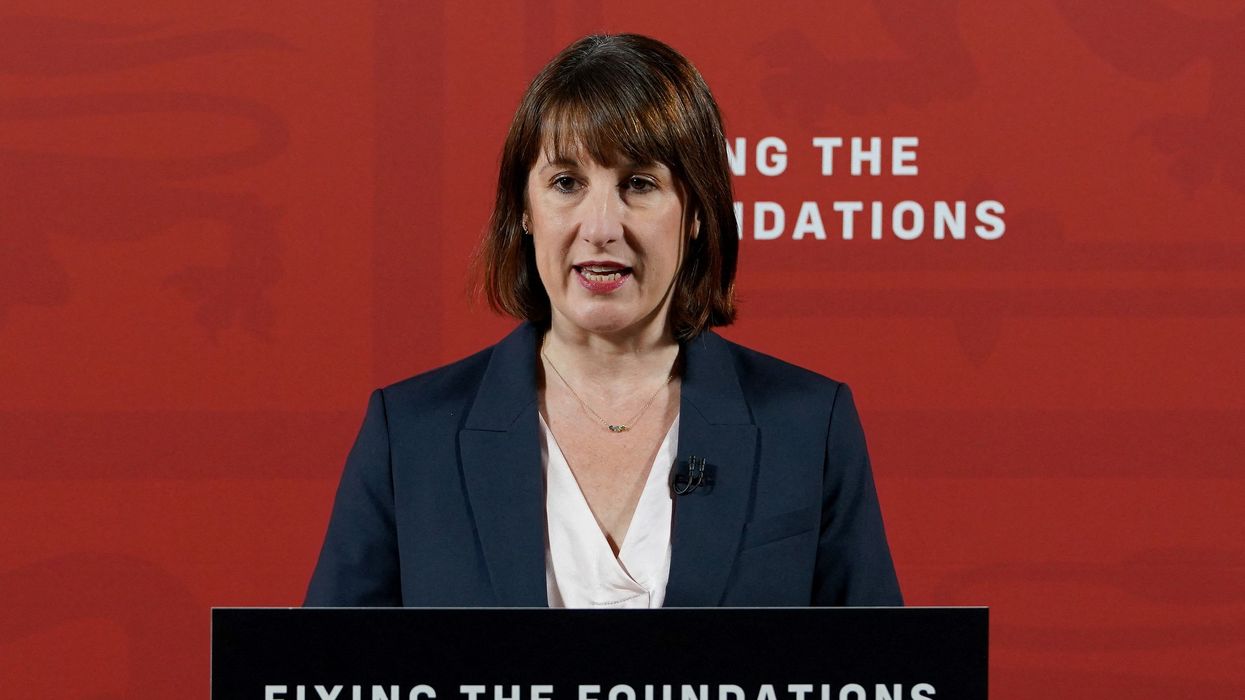
Chancellor Rachel Reeves will outline the changes after prime minister Keir Starmer criticised what he called the nation's "flabby state."
His remarks have drawn criticism from unions, which urged him to avoid rhetoric similar to Elon Musk’s Department of Government Efficiency (Doge) in the US.
The finance ministry said regulators would be called to the prime minister's office on Monday, where Reeves will present an "action plan to deliver on the pledge to cut the administrative cost of regulation on business by a quarter."
The plan aims to reduce costs linked to regulations, including what the statement described as "hundreds of pages of guidance on protecting bat habitats which goes far beyond legal requirements." It cited the £100 million spent on a bat tunnel during the construction of Britain’s HS2 high-speed rail line.
The tunnel has been at the centre of criticism over planning rules, with Starmer previously calling it "absurd." The plan also includes reducing the number of regulators, which the government says will save businesses "billions of pounds."
Last week, Starmer announced the abolition of NHS England, which has overseen the National Health Service since 2012. The government has described it as "the world's largest quango" (quasi-autonomous non-governmental organisation).
Health secretary Wes Streeting wrote in the Sunday Telegraph that this move was "the beginning, not the end," and that other health-related quangos could also be scrapped.
Labour won a landslide election victory last July, defeating Rishi Sunak’s Conservative government. However, its popularity has declined amid a challenging start in office. The government faces pressure to fulfil its election promise of driving economic growth while managing the cost of living crisis.
In February, the central bank lowered its forecast for UK economic growth and warned that inflation would rise more than expected. It cited global risks, including US tariff threats and declining business confidence in the UK.
(With inputs from AFP)