
Highlights
- Finance minister Rachel Reeves will scrap tariff exemptions for imports under £135 in the November (26) budget.
- The move is expected to raise approximately £500 m annually for the government.
- Major retailers including Next and rival Primark have backed the plan.
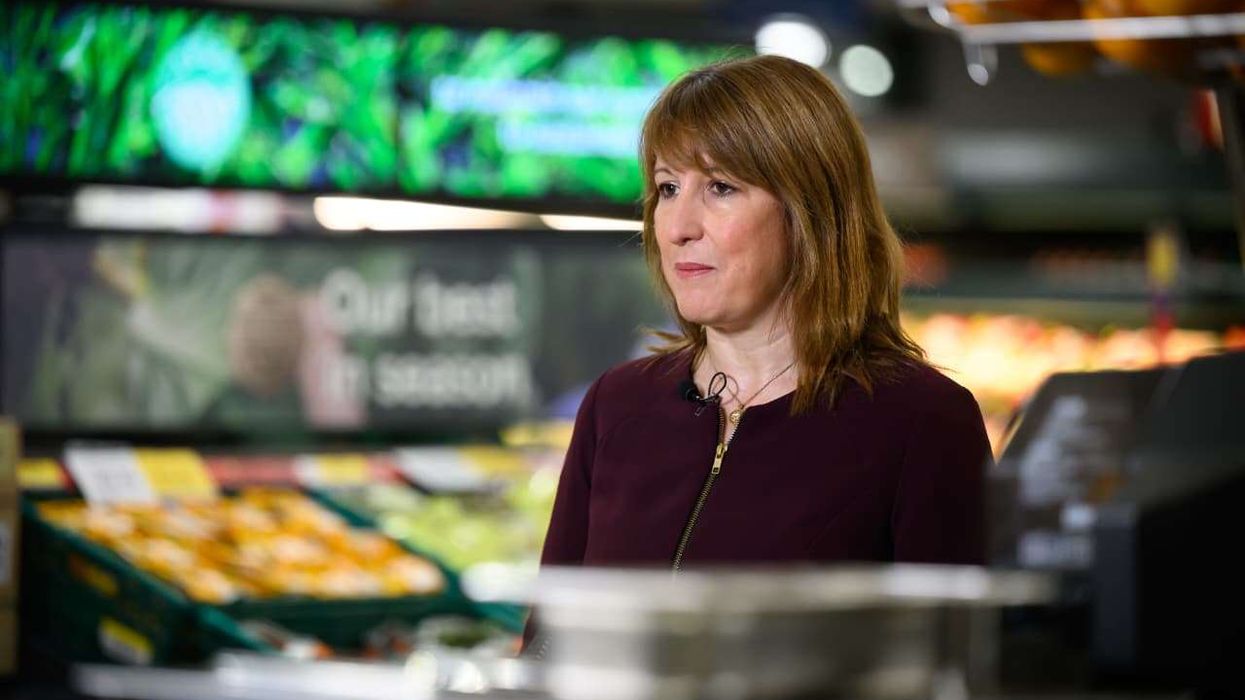
Britain's finance ministry announced on Friday that finance minister Rachel Reeves plans to remove a long-standing exemption that allows low-cost goods imported directly by consumers to avoid tariffs. The exemption currently applies to individual items costing less than £135.
The government expects the change to generate around £500 m ($655 m) annually. Reeves stated that, "It's time to make sure our local shops can compete fairly with overseas sellers and keep driving growth and good jobs across the UK."
The tariff removal addresses an unfair advantage enjoyed by online retailers, often based in China. British retailers importing bulk goods face tariff charges, while consumers purchasing identical items directly from overseas sellers escape these costs if the price falls below the threshold. This imbalance has damaged UK high streets and local businesses.
The finance ministry confirmed that Reeves will announce the tariff scrapping during the annual budget on November (26). A consultation on implementing the new customs arrangements will follow. "Any impact on consumer prices will be modest," the ministry stated.
Industry support grows
Major retailers have welcomed the announcement. Associated British Foods chief executive George Weston told Reuters, "This move closes a loophole that has disadvantaged British business, damaged British high streets and allowed proper safety standards to be ignored and we hope it is implemented rapidly."
The UK move mirrors similar actions by other major economies. US president Donald Trump scrapped tariff exemptions for imports worth under $800 in August, while the European Union is introducing comparable plans for items worth under 150 euros.
Despite pledging not to increase the cost of living for British households, Reeves believes the modest consumer price impact is outweighed by protecting domestic retailers and supporting economic growth.