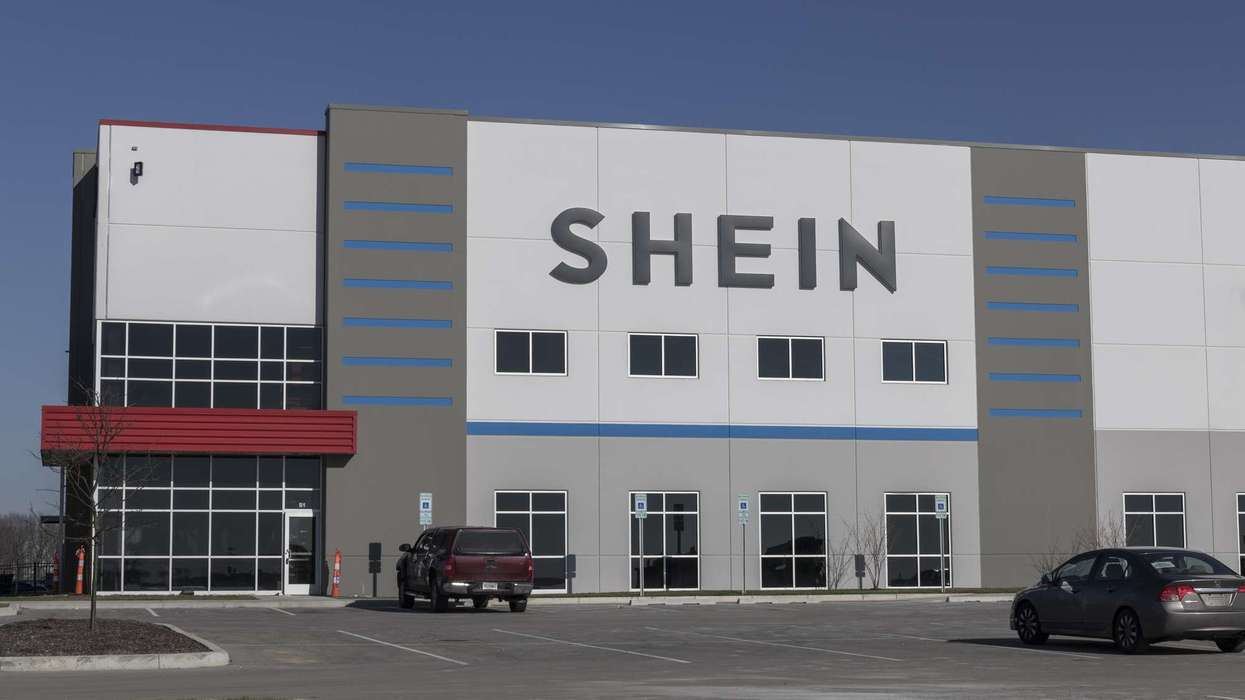

- Shein is acquiring Everlane, though financial terms were not disclosed.
- Everlane says it will continue operating independently under its current leadership.
- The deal comes as Everlane faces slowing sales and mounting debt pressures.
Fast-fashion giant Shein is buying Everlane, a brand that built its reputation on ethical sourcing, factory transparency and minimalist fashion basics, a pairing that is already raising eyebrows across the retail industry.
The deal, confirmed in a letter sent to Everlane employees by chief executive Alfred Chang, comes at a difficult moment for the California-based retailer, which has been struggling with slowing sales and rising debt in an increasingly crowded “affordable luxury” market.
Neither company disclosed the financial details of the acquisition. Shein declined to comment publicly on the deal.
Founded in 2011 by Michael Preysman and Jesse Farmer, Everlane became one of the most recognisable direct-to-consumer fashion brands of the 2010s. The company attracted younger shoppers by promoting “radical transparency” around pricing, factory conditions and environmental standards, while selling basics such as linen tops, denim and tailored clothing at mid-range prices.
But the company’s image has become harder to maintain in recent years as competition intensified and questions emerged around labour treatment and internal workplace culture, according to multiple media reports.
A rescue deal wrapped in contradiction
Retail analysts suggest the acquisition may ultimately be more about survival than expansion for Everlane.
Neil Saunders reportedly said Everlane needed financial backing as debt pressures mounted and sales weakened. He suggested Shein could offer the scale and stability Everlane currently lacks.
At the same time, the deal creates an unusual combination in the fashion industry. Everlane built its brand identity by distancing itself from the very fast-fashion culture that helped turn Shein into a global retail powerhouse.
Shein became one of the world’s biggest online fashion retailers by rapidly producing low-cost trend-driven clothing, often selling dresses for under £11 ($15) and accessories for less than £4 ($5). The company, originally founded in China, has also faced years of scrutiny from lawmakers and activists in both the UK and US over labour standards, supply chain transparency and environmental concerns.
That contrast is now fuelling concerns among Everlane’s loyal customer base, many of whom reacted negatively online after news of the takeover emerged.
Retail consultant Katie Thomas reportedly said Everlane was built around the idea of “fewer, better things”, while Shein often represents the opposite side of the fashion industry.
Shein looks beyond ultrafast fashion
For Shein, the acquisition may signal a broader strategic shift as regulatory pressure grows around the fast-fashion sector.
The company had previously explored plans for a public listing in the UK or US but reportedly slowed those ambitions amid growing political and legal scrutiny.
Industry observers suggest buying Everlane could help Shein strengthen its position in higher-margin fashion categories while also expanding its footprint beyond ultrafast fashion.
Chang reportedly told employees the partnership would allow Everlane to invest more heavily in product development, innovation and staff while keeping the brand independent. He also said Everlane would continue to follow its sustainability commitments and existing leadership structure would remain in place.
Private equity firm L Catterton, which became Everlane’s majority owner in 2020, had reportedly been looking for options as the retailer’s finances weakened.
The bigger question now may be whether Everlane’s existing customers accept the Shein connection or whether Shein hopes the acquisition can help soften its own fast-fashion image at a time when the industry is facing increasing pressure from regulators, tariffs and changing consumer attitudes.