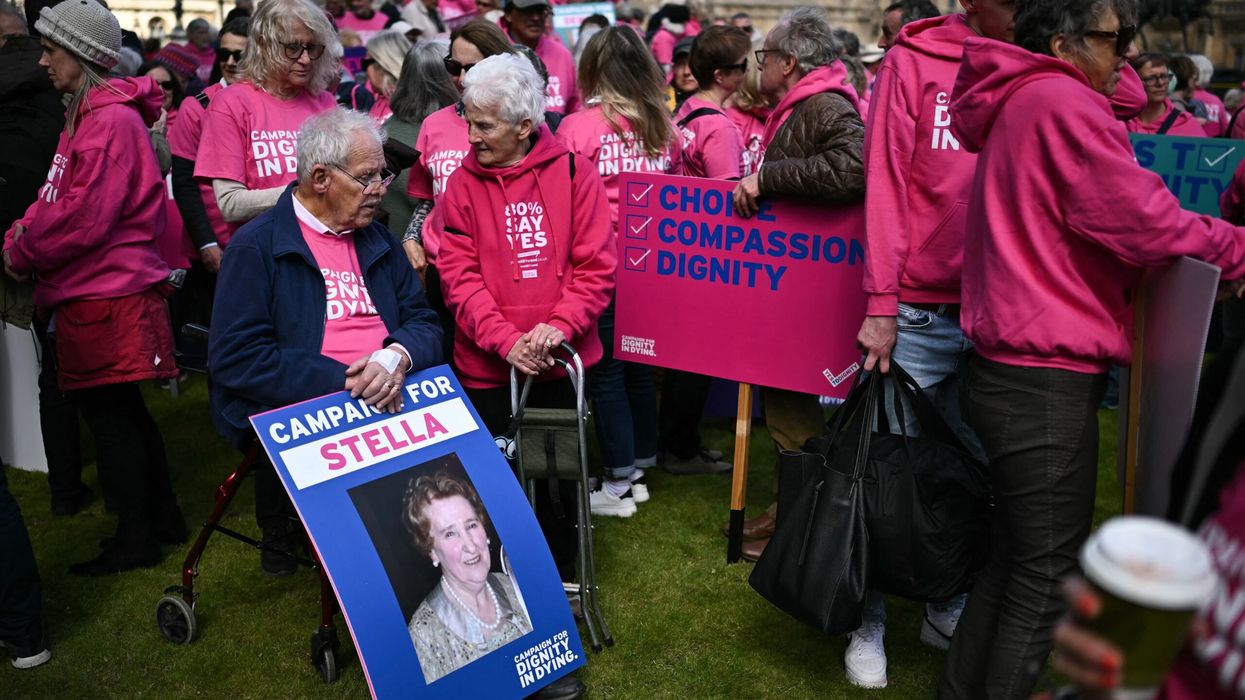

A PROPOSED law that would allow assisted dying for terminally ill people will return to parliament on Friday, with lawmakers set to debate a series of changes before a final vote on whether the bill should proceed.
In November, lawmakers voted 330 to 275 in favour of allowing assisted dying. If passed, the legislation would make Britain one of several countries including Australia, Canada, and some US states to permit assisted dying.
The bill allows mentally competent adults in England and Wales, who have six months or less to live, to end their lives with medical assistance. It has already been revised following detailed scrutiny.
A final vote on the updated bill will take place after Friday’s debate. The large number of proposed amendments means the session may continue next month.
ALSO READ: Faith leaders raise concerns over assisted dying bill’s impact on women
Supporters of the bill point to opinion polls showing most Britons favour assisted dying and say the law should reflect public opinion. However, some lawmakers have raised concerns about protections for vulnerable people. Others argue that palliative care should be improved first.
The Telegraph and Guardian reported that some lawmakers who previously supported the bill are now reconsidering their position.
Prime minister Keir Starmer’s Labour government is neutral on the issue. Lawmakers are free to vote based on their personal views rather than party lines.
A key change from the original version of the bill is the removal of the requirement for court approval. Instead, a panel including a senior legal figure, a psychiatrist and a social worker would decide whether a person is terminally ill and capable of making the decision.
Any further changes to the bill will need to be approved through separate votes. If Friday’s debate runs out of time, the discussion could continue on June 13, before the final vote.
ALSO READ: ‘Debate over assisted dying raises risks for medical staff’
If passed, the bill will move to the House of Lords for further scrutiny.
In 2015, lawmakers rejected similar legislation by 330 votes to 118.
The current bill does not apply to Northern Ireland or Scotland. On Tuesday, the Scottish parliament voted in favour of a similar proposal, which will now move forward for further consideration.
(With inputs from Reuters)