
Skip to content
Search

Latest Stories

Submit Guest Post

Faith leaders raise concerns over assisted dying bill’s impact on women

More than 100 women faith leaders have warned that the proposed assisted dying bill lacks safeguards to protect vulnerable women, particularly those experiencing domestic abuse and coercive control.

assisted-dying-bill
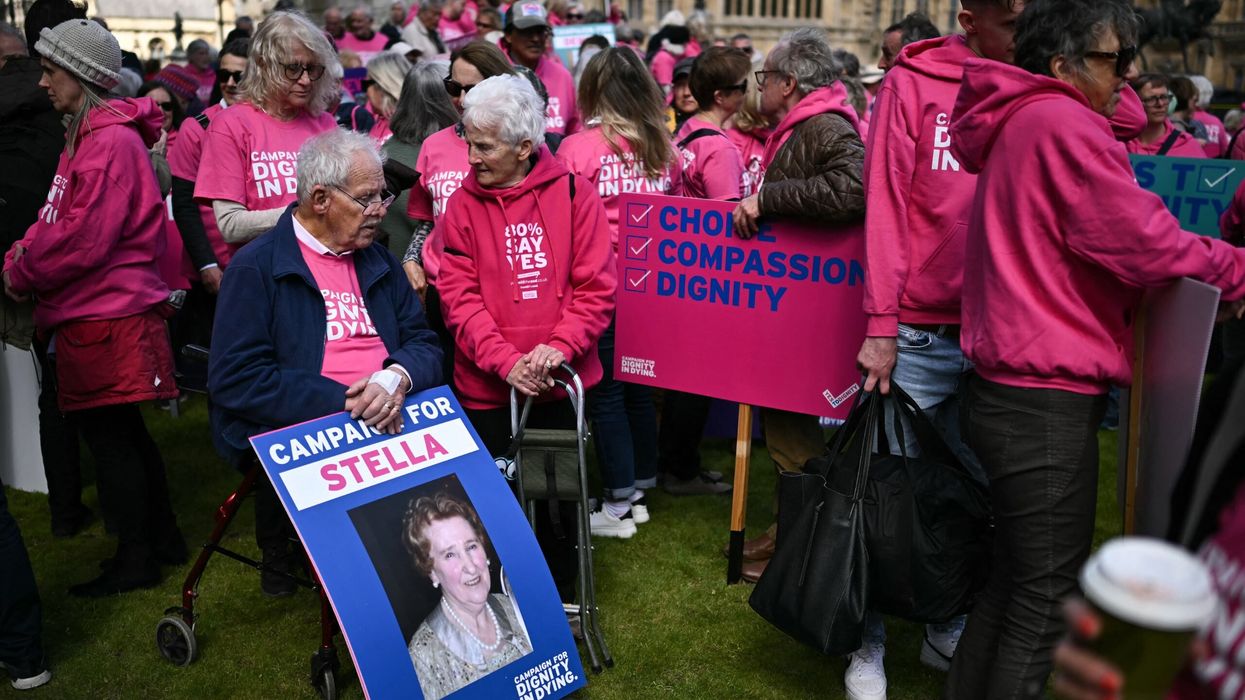
Disability campaigners from 'Dignity in Dying' hold placards as they demonstrate outside The Palace of Westminster on April 29, 2024, during a gathering in favour of the proposals to legalise assisted suicide in the UK. (Photo: Getty Images)
Getty Images

MORE than 100 women from Christian, Muslim, Jewish, and Sikh communities have raised concerns that the proposed assisted dying legislation in England and Wales could be used to harm vulnerable women, especially those facing domestic abuse and coercive control.

In an open letter published on Sunday by Theos, a Christian thinktank, the signatories warned the terminally ill adults bill has “insufficient safeguards to protect some of the most marginalised in society, particularly women subjected to gender-based violence and abuse by a partner”, The Guardian reported.


The letter says the bill could assist such women in ending their lives, and notes that domestic abuse victims who are also women of faith may face unique forms of abuse, including the use of theology and culture to control them.

Earlier, charities working on domestic violence and coercive control also expressed concern about the potential for coercion in assisted dying cases.

However, Lesley Storey, chief executive of My Sister’s Place, argued the bill introduces “rigorous safeguards where currently there are none”.

In another open letter signed by over 40 women, Storey said, “The risk of coercion for terminally ill women in abusive relationships is real … It thrives in the absence of oversight, where there are no safeguards, checks, or balances.”

She highlighted the bill’s provisions for professional assessments, mandatory coercion training, and new criminal offences.

The bill has passed the committee stage and is expected to return to the House of Commons on 25 April.


Add EasternEye As Your Trusted Source
preferred source on google news

More For You

IMF

The IMF has urged Britain to consider public spending reforms as the debate over bank taxes intensifies

REUTERS

IMF warns UK against higher bank taxes ahead of October budget

  • The IMF says Britain should consider spending reforms rather than rely on higher taxes on banks.
  • Unions and think tanks argue a higher bank surcharge could raise billions of pounds.
  • Banks and business groups warn further sector-specific taxes could deter investment and weaken competitiveness.

The International Monetary Fund (IMF) has urged Britain to consider cutting public spending rather than raising taxes on banks, as the Government weighs options to strengthen its finances ahead of the October 28 budget.

Chancellor John Healey is reportedly considering reversing a reduction in the bank tax surcharge, but the IMF has suggested that spending reforms should play a greater role in balancing the public finances.

Keep ReadingShow less