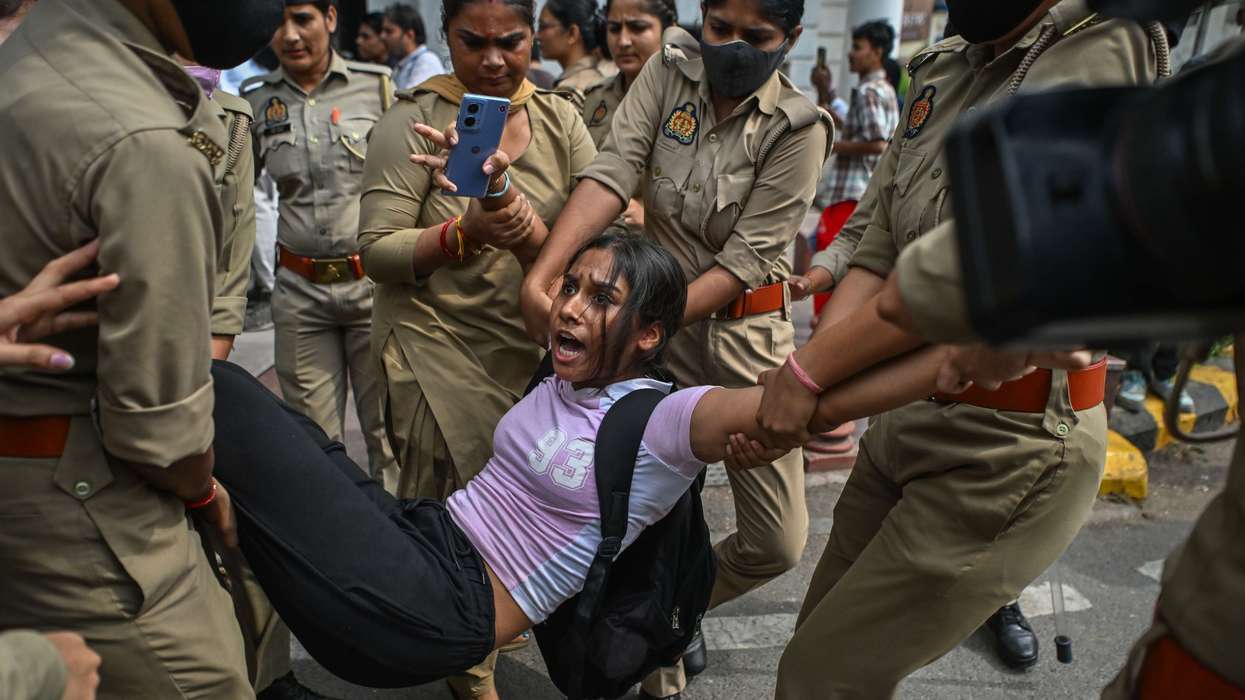

As I write, young people are marching in New Delhi, the capital of India, the country of my birth. Their cause is the most basic one in any democracy: who gets to vote. A sweeping revision of the voter lists has removed millions of names in Bihar alone. The authorities say they are clearing out the dead and the ineligible; critics fear the poor, migrants and minorities are being shut out, and note that a 2023 law gave the government a majority on the panel that picks the election commissioners.
A government with enough power can change not only the laws, but who gets a say in making them. Hannah Arendt understood that better than anyone.
A German-Jewish thinker, she fled Hitler in 1933. Stripped of her citizenship and interned in a French camp, she escaped to America with almost nothing. She learned at first hand that the most precious right is to belong to a country where your voice counts.
Years later, watching the trial of Adolf Eichmann, she coined the phrase "the banality of evil": terrible things are often done not by monsters, but by ordinary people who simply stop thinking and go along.
I believe the same is true of democracy. It is rarely destroyed in one dramatic moment. It is worn away by careless choices, and few choices are made more carelessly than a vote.
What Brexit taught us
Brexit is the clearest lesson of my years in Britain. Many British Indians, people of my own background, voted Leave believing it would ease pressure on the NHS and open a fairer door for Commonwealth families.
It did not work. Leaving the EU also meant leaving the Dublin arrangement, which let Britain return asylum seekers to the first European country they had entered. Small-boat crossings grew from a few hundred a year to tens of thousands.
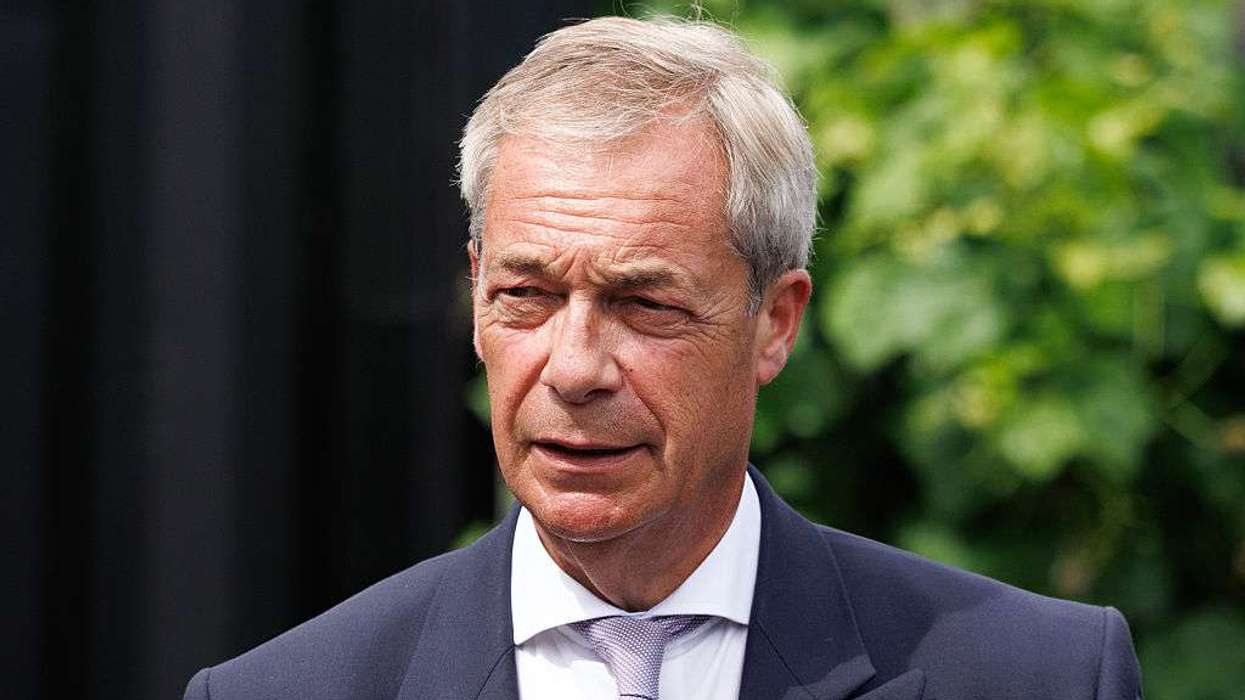
Geography does not vote. Britain will always sit across a narrow stretch of water from Europe, and our migration policies must work with our neighbours. Nigel Farage's promise of mass deportations ignores that basic fact. It is a slogan, not a solution.
Democracy depends on who we put in charge
Democracy quietly assumes that decent people will hold power. When a leader is driven by ego rather than service, the system bends towards his interests. Donald Trump had to reshape the courts and place loyalists throughout government to push past America's written constitution.
In Britain it could be easier. We have no written constitution, Parliament is sovereign and our courts cannot strike down its Acts. A self-serving leader with a large majority could change the law to get around almost any obstacle.
Our great asset is a professional, impartial civil service. A good person elected to lead does not need to be a strongman; they will be strengthened by the capable machine around them.
Kindness is not weakness
We have come to treat niceness as weakness, so we vote for those who look tough rather than those who would govern wisely.
I recently had dinner with Sir Ed Davey, leader of the Liberal Democrats, a man who cared for his dying mother as a teenager and has spent years caring for his disabled son. He told me that a country with a healthy economy and healthy people will prosper.
What struck me most was that he praised Andy Burnham for listening. He said that perhaps one day the Prime Minister will implement his party's care policy, and that he would be grateful if he did, because it would be good for the country's citizens. In all my years of meeting political leaders, I have rarely heard one praise a rival. Most rise by pointing to the other side's failings.
And this man so often called weak was one of the few party leaders willing to stand up publicly to Donald Trump. Strange, isn't it?
A warning from across the Atlantic
Today, voices from America are trying to shape British politics. Elon Musk has used his enormous platform to batter the Labour government and champion the hard right here, most recently backing Rupert Lowe's Restore Britain. No foreign billionaire should decide who governs us.
This is the moment for the Liberal Democrats and Labour to find common ground. On care, the NHS, Europe and defending our institutions, they share far more than divides them. Together they can stand against the forces of fascism gathering strength here and abroad.
For all its flaws, British democracy remains, in these turbulent times, one of the best in the world. It is worth protecting, and it is ours to protect.
Do your homework before you vote
Too many of us vote on the strength of social media rhetoric and clever advertising. Instead, read about every serious candidate, look at what they have done, use the tools we now have, including AI, to check their claims, and then make up your own mind.
The stakes have never been higher
The next election may shape far more than taxes. AI is advancing faster than any government can regulate it. Which of our leaders do we trust to control it? Can those who have bowed to Trump stand up for Britain when it matters?
Arendt warned that evil grows when ordinary people stop thinking. The answer, then, is to think: carefully, deliberately and with our consciences. At the next election, let us vote not for the loudest voice, but for good human beings.
(The author is a philanthropist, businesswoman, and film producer)



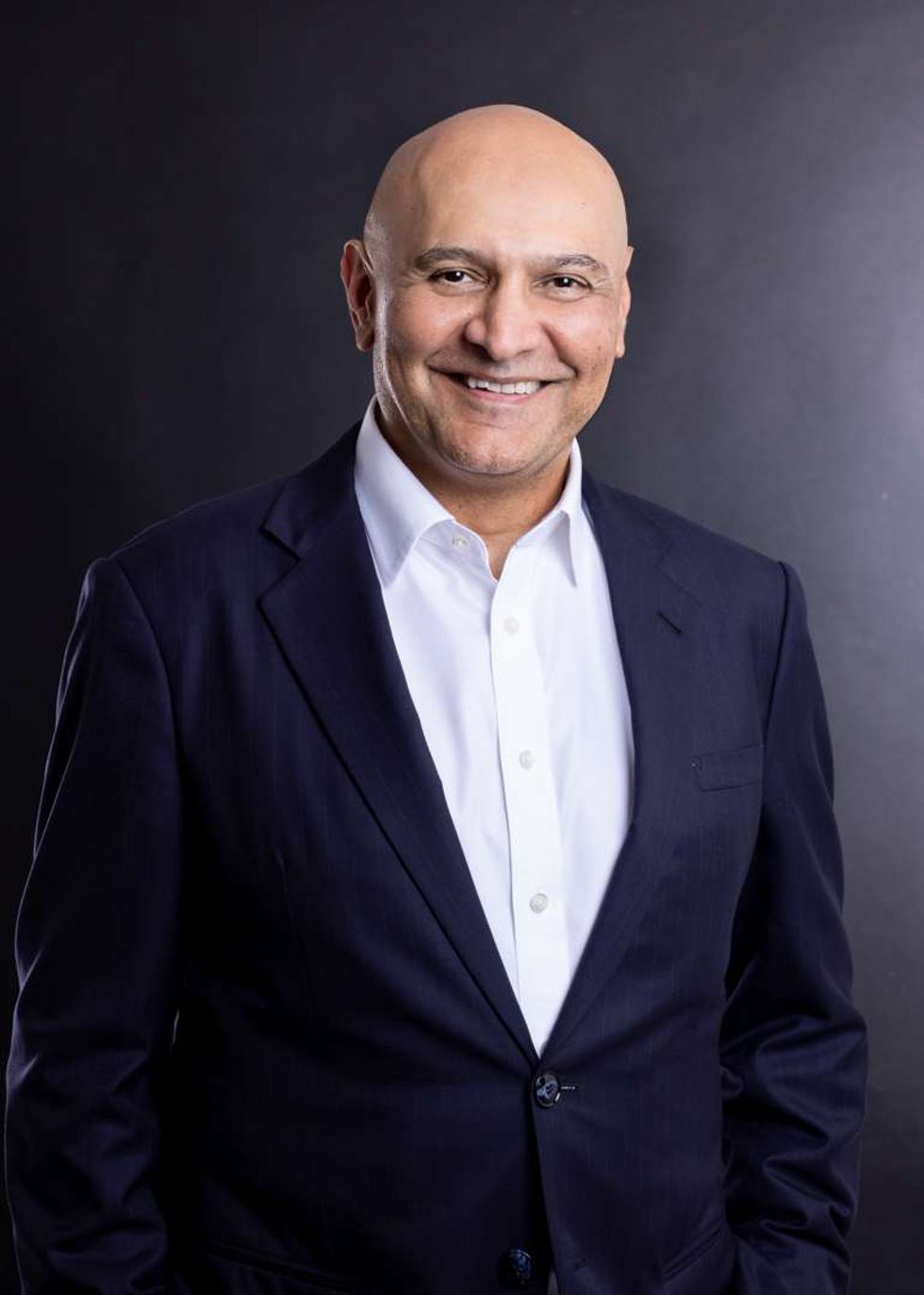 Dr Nik KotechaRandal Charitable Foundation

