
WORLD Mental Health Day on October 10, paired with the latest Office for National Statistics (ONS) figures, is a stark reminder of a reality we cannot ignore: too many men are losing their lives to suicide. These statistics reinforce the urgent need to continue supporting men’s mental health and wellbeing.
In 2024, 6,190 suicides were registered in England and Wales. The male suicide rate was 17.6 per 100,000, more than three times higher than the rate for women.
Men aged 50–54 had the highest suicide rate, at 27.5 deaths per 100,000. These figures are simply too high and surely act as a momentous call for action.
They also encourage us to look beyond the headline statistics and consider whether different communities experience and respond to mental health challenges in different ways, including how and where they seek support.
For men in Asian communities in particular, mental ill-health can still be a taboo topic. In some families and communities, talking openly about anxiety, depression or suicidal thoughts can be incredibly difficult. There can be a fear of lasting consequences, perhaps embedded in cultural norms and societal pressures.
While Asian men don’t appear to be overrepresented within the data on deaths by suicide, it remains a cause of death among young men which can be prevented with the right support. Early findings and pockets of research from earlier studies strongly suggest that communities themselves hold an important part of the answer.
So, what does this mean? Collectively, we are working towards understanding the different barriers that prevent people from accessing support. These deeply worrying statistics are a stark reminder that this challenge affects men from all walks of life, and only by working together to identify and address those barriers can we begin to turn the tide.
Our Randal Foundation has partnered with the Centre for Policy Research on Men and Boys (CPRMB) to reduce men’s suicide rates by 10 per cent over the next five years, hoping to leverage communitybased programmes which have shown locally in some areas that they can be effective as part of the solution.
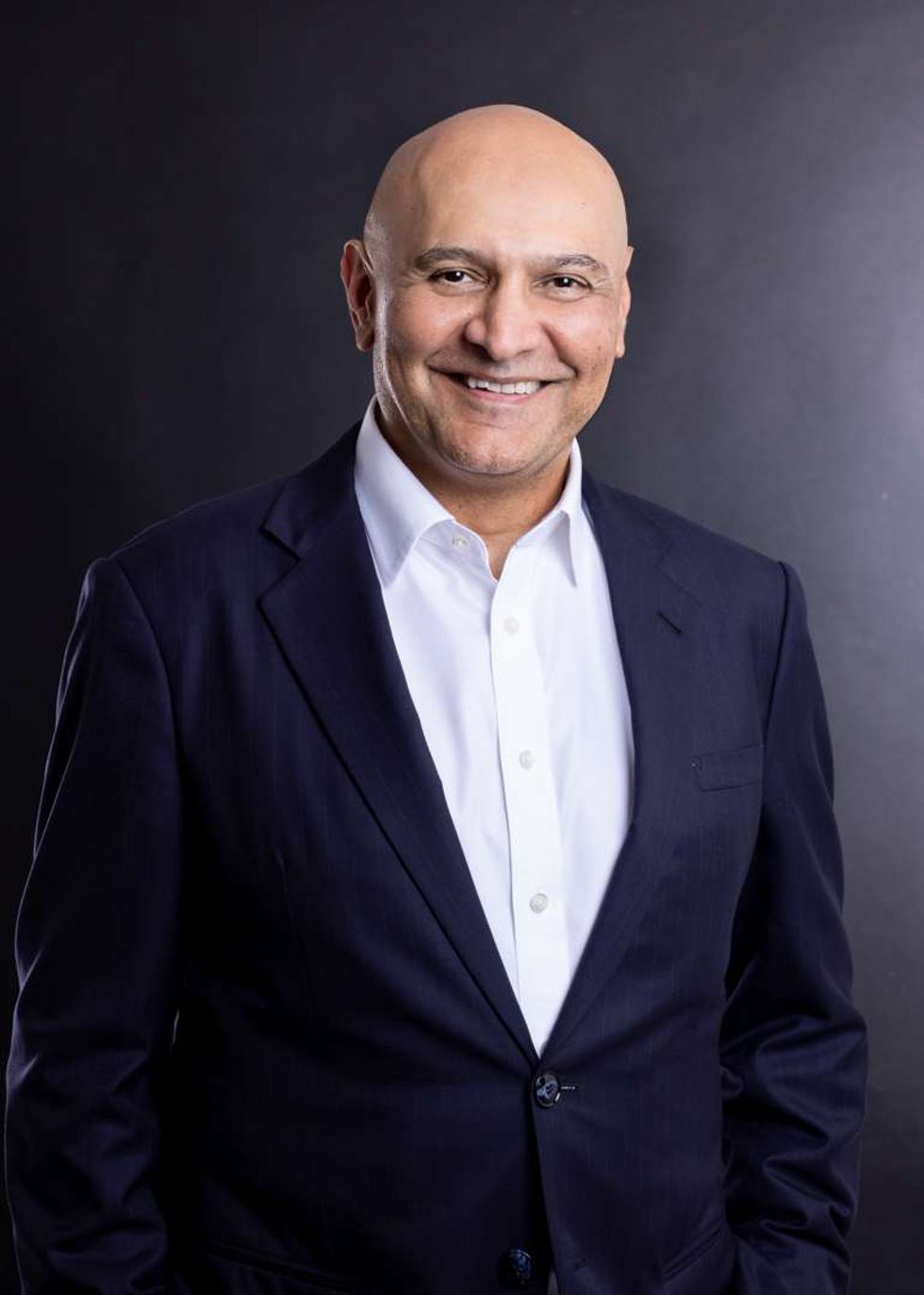 Dr Nik KotechaRandal Charitable Foundation
To date, no studies have considered these community resources collectively or measured whether they can underpin suicide prevention. We’ve been ambitious in our study design, and we’re pursuing answers.
To get these answers, we’ve funded expert-led research to assess how community-based programmes can benefit men’s mental health. With these community-sourced insights, we’re aiming to help devise interventions and shape policy that will be better equipped to support men’s mental health outcomes across the UK for years to come.
But generating evidence is only the first step. The ultimate objective of this work is to turn robust, evidence-led research into meaningful national change. To help make that happen, I am spending an increasing amount of time in Westminster, sitting on boards and working alongside policymakers, think tanks, sector leaders and politicians to translate evidence into action.
By championing the practical, evidence-based research CPRMB is delivering, I am committed to ensuring these insights help shape policy, inform decisionmaking and drive real change.
Our shared ambition is not simply to better understand the problem, but to influence the policies, services and systems that can prevent suicide and save lives for generations to come.
Our research is already providing a platform to expose deeper insights. It’s of grave concern to me that the ONS data on suicide shows this is one of the leading causes of death among children and young people too.
The data highlights some important differences between groups, which we need to understand as we work to tackle this problem on an immense scale.
Suicide rates among 10 to 17-year-olds were significantly higher for boys than girls, suggesting that boys and young men may face particular challenges, perhaps in seeking or accessing support. The data also reveals that boys receiving Special Educational Needs (SEN) support were at even greater risk, with rates of death by suicide around 1.5 times higher among those without recorded SEN provision. These findings underline the importance of early intervention, targeted support and ensuring that vulnerable young people have greater access to a range of support.
The figures also underline that geography and deprivation both play a key role in suicide rates. Across Wales, the suicide rate was 15.7 deaths per 100,000 population in 2024, compared with 11.1 in England. Among Welsh men particularly, deaths by suicide were almost 41 per cent higher than for men in England.
This is profoundly complex territory, and by further understanding that complexity through our study, we are identifying practical solutions that can be embedded into communities, services and, ultimately, national policy. Research must lead to action.
For those of us within Asian communities, I believe there is still more we can do to encourage open conversations around mental ill-health. Silence does not make these challenges disappear; in fact, silence is complicit in this crisis.
Supporting mental health means creating communities where asking for help is not seen as a failure, but as a strength.
Where a son can tell his father that he is struggling. Where a friend can ask another friend, genuinely, “How are you?”
This is about building on the values that we share as communities: family, friendship and faith.
What is clear to me is that we must start thinking about prevention earlier. Suicide is one of the leading causes of death among children and young people. But suicide is not inevitable.
Prevention means reaching men and boys before they reach crisis point. It means creating and strengthening support networks and services they will use, and strengthening communities as places in which they feel connected and valued. It likely means recognising the importance of purpose, meaningful relationships, employment, friendships and a strong sense of belonging. Our research is revealing these key attributes as not optional, but essential if we are to meaningfully combat the risk of death by suicide.
And what’s stark in early findings already is that we must move beyond simply telling men to “talk”. There are more important questions we must answer before this can truly help: are we creating the spaces, building the relationships and providing the services where men and boys feel able to talk?
And critically, is somebody ready to listen?





 Swachhata Hi Seva 2026 India Weekly
  Kumaran Periasamy Eastern Eye