
There is a simple but powerful idea at the heart of India’s development journey: lasting change cannot be achieved by governments and institutions alone. It is shaped equally by the choices we make, the responsibilities we embrace, and our willingness to contribute to something larger than ourselves.
This is the essence of Jan Bhagidari or people’s participation, and the spirit that underpins Seva Pakhwada, bringing together service, civic responsibility, health and well-being, environmental consciousness and community engagement.
The concept of Seva has deep roots in Indian thought. At its heart is the recognition that our own well-being is closely connected with that of the society around us. Today, it finds expression in many ways such as volunteering our time, supporting those in need, caring for our neighbourhoods, protecting the environment, and contributing our skills and knowledge for the wider good.
The significance of a fortnight devoted to Seva, therefore, lies not only in what is accomplished during these days, but in the values it seeks to carry forward.
This is reflected strongly in the national movement for Swachhata. The theme for this year’s campaign of Swachhata Hi Seva 2026, is “Swachhata Mein Sahbhag; Swachh Bharat, Viksit Bharat”, which places participation at its centre.
 Swachhata Hi Seva 2026 India Weekly
Swachhata goes beyond cleanliness. It is about civic consciousness and the way we treat the spaces we share. Keeping our workplaces and neighbourhoods clean, managing waste responsibly, reducing plastics, recycling and adopting sustainable practices may be seen as everyday actions, but their cumulative impact can be transformative.
When families, colleagues, students and community organisations come together for such efforts, they also foster something less
tangible but equally important: a sense of ownership of our shared environment. Cleanliness then becomes not simply an activity, but a civic habit.
A similar emphasis on well-being finds resonance in Ayurveda Day, observed this year under the theme “Ayurveda for a Healthier Tomorrow.” One of India’s most enduring knowledge traditions, Ayurveda places emphasis on balanced living, nutrition, prevention, physical and mental well-being, and harmony between the individual and the environment. These principles continue to find relevance in contemporary conversations about healthier lifestyles.
At the same time, Ayurveda's future lies in strengthening the interface between traditional knowledge and modern science through research, evidence, innovation and meaningful engagement with contemporary healthcare. The theme “Ayurveda for a Healthier Tomorrow” aptly captures this forward-looking approach, drawing upon a rich inheritance, while exploring how it can contribute to the health challenges of the future.
Taken together, Seva, Swachhata and well-being represent different dimensions of responsible citizenship. They also speak to the larger ambition of Viksit Bharat by 2047.
India's progress will undoubtedly be measured through economic growth, infrastructure, technology and innovation. But the quality of development will also be visible in healthier citizens, cleaner surroundings, sustainable communities and the ability of people to participate meaningfully in shaping their future.
This is where Jan Bhagidari acquires its true significance. It transforms development from something delivered to citizens into an endeavour in which citizens themselves have agency.
For Indians living overseas, this idea has a wider resonance. The Indian diaspora in the United Kingdom is a vital living bridge between our two countries. Its contributions span medicine, science and technology, academia, entrepreneurship, business, culture and public service. Its achievements enrich British society,
while its continuing connections with India lend unique depth to the India–UK partnership.
The tradition of Seva is also readily visible across the diaspora. Indian community organisations, places of worship, professional associations, student groups and voluntary bodies across the United Kingdom contribute extensively to charitable causes, health and wellness initiatives, environmental efforts and support for their local communities. In doing so, they demonstrate how an enduring Indian value can find meaningful expression wherever Indians make their home.
The diaspora also brings a distinctive strength to India's development journey: the ability to connect ideas and experiences across borders. Knowledge, technology, investment, professional expertise and networks can flow towards India, while India's own experience, innovations and traditions can reach wider audiences around the world.
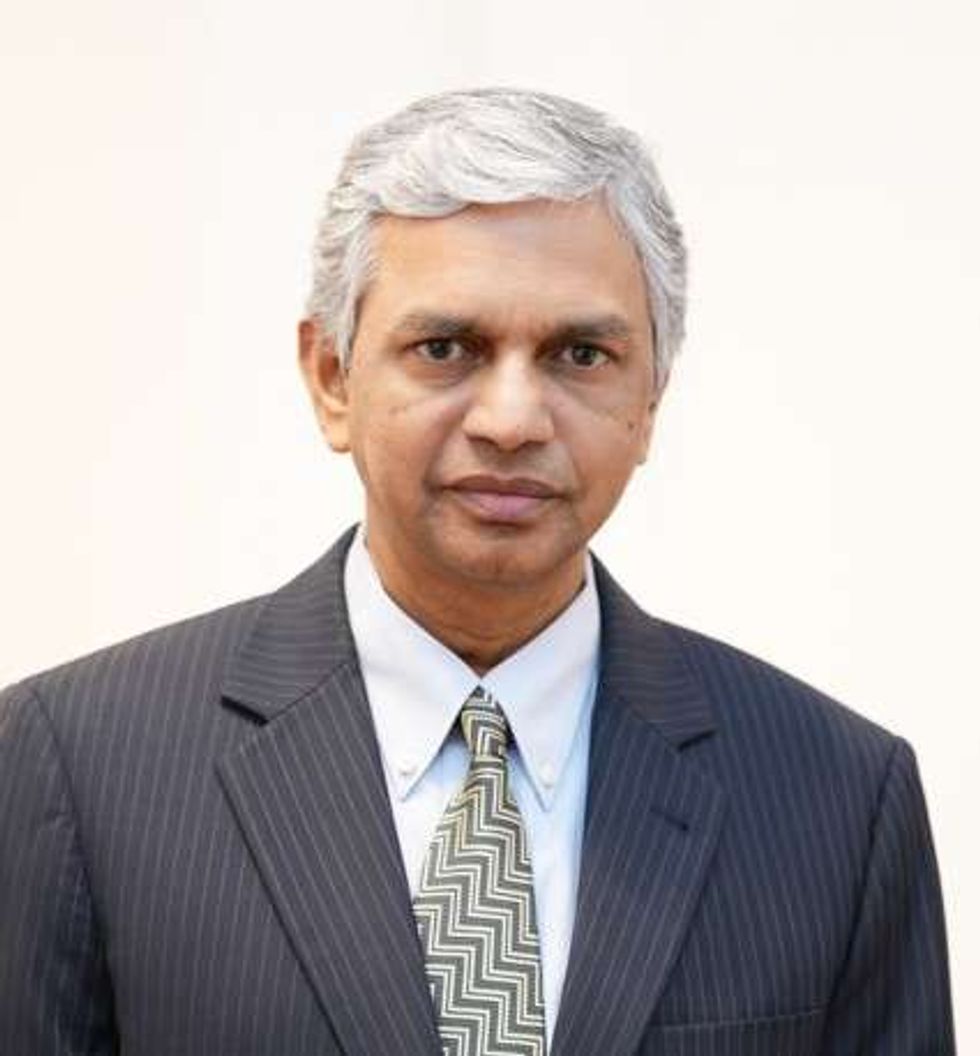 Kumaran Periasamy Eastern Eye
This exchange has particular relevance to the evolving India–UK partnership. Government-to-government engagement provides an enabling framework; universities, businesses, researchers, professionals, students and communities give that partnership its breadth and vitality.
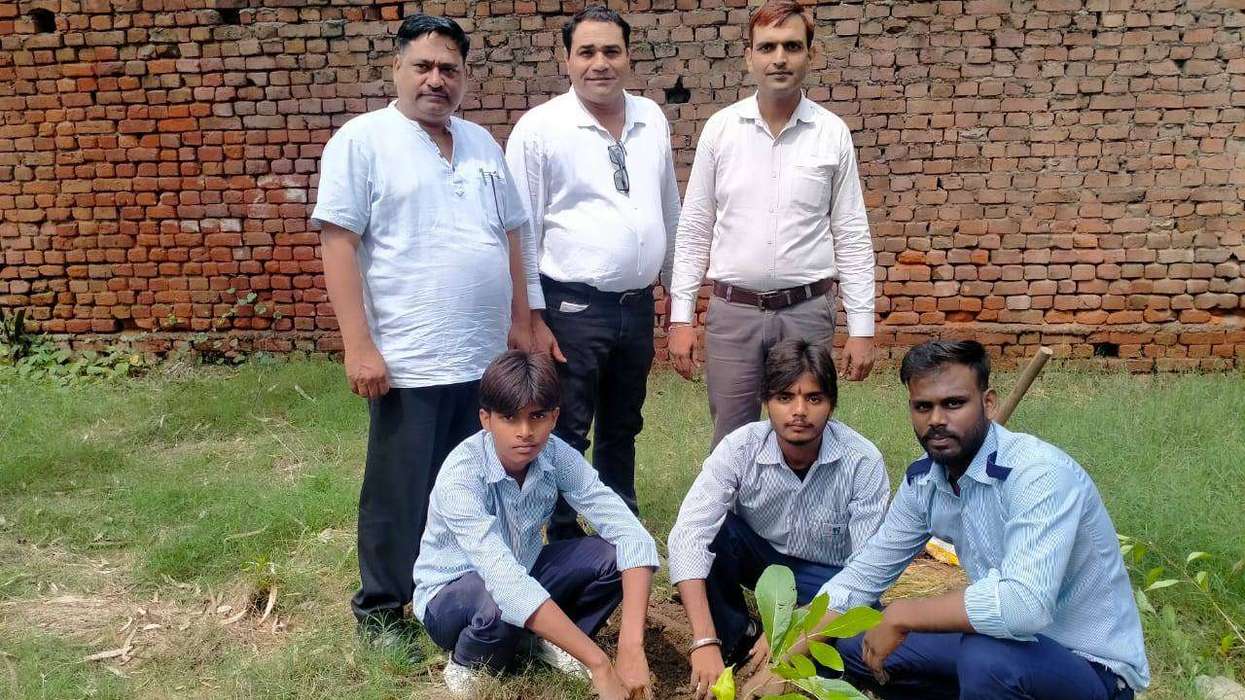
There is therefore a wider message in this fortnight of service. National transformation does not always begin with a grand gesture. It may begin with cleaning a shared space, giving one's time to a community initiative, planting a tree, adopting a healthier habit, mentoring a young person or helping someone in need. Each act may appear modest. What matters is the culture they create; one in which service is instinctive, responsibility is shared and progress is understood as a common endeavour.
As we mark this fortnight, the opportunity is to take these values beyond the observances themselves: to make seva an enduring ethic, swachhata a civic habit, well-being a conscious choice, and Jan Bhagidari a continuing force for progress.
(The author is the High Commissioner of India to the UK)





 Dr Kalpana Lakhani Garavi Gujarat