
PCOS is often dismissed as a reproductive issue, but for south Asian women the consequences reach far beyond the ovary — affecting metabolic health, fertility, and lifelong wellbeing.
Polycystic ovary syndrome (PCOS) is one of the most common hormonal conditions in women, affecting an estimated 8–13% worldwide. But for south Asian women, the impact is even greater — and far less recognised. Research shows that south Asian women have higher insulin resistance, develop type 2 diabetes five to ten years earlier than white European women, and experience more severe metabolic features when they have PCOS. They also face higher rates of gestational diabetes and earlier cardiovascular risk. These differences make the long-term consequences of PCOS particularly significant in this community.
The effects of PCOS go far beyond the ovary. It influences metabolism, cardiovascular health, fertility, and mental wellbeing across a woman’s life.
In my clinical practice, I see this repeatedly. Women arrive after years of irregular cycles, acne, excess hair growth, or weight changes — yet many have been told their symptoms are “normal,” “hormonal,” or “nothing to worry about.” Others have been reassured that because their ultrasound “looked normal,” they cannot have PCOS, even though ultrasound is not required for diagnosis and many women with PCOS have normal-appearing ovaries.
This diagnostic inconsistency is not just frustrating. It is dangerous.
South Asian women face higher long-term health risks — but are rarely told this
PCOS is not only a reproductive condition. It is a chronic metabolic condition that increases the risk of long-term health problems such as type 2 diabetes, high blood pressure, abnormal cholesterol, and cardiovascular disease.
Globally, women with PCOS have a four- to eight-fold higher risk of type 2 diabetes, and up to 40% develop impaired glucose tolerance by age 40. They also have higher rates of hypertension, dyslipidaemia, and pregnancy complications such as gestational diabetes and pre-eclampsia.
For south Asian women, these risks are amplified.
Studies consistently show that south Asian women develop diabetes earlier, at lower BMI, and with more severe insulin resistance than white European women. Women of south Asian heritage with PCOS have been shown to have higher fasting insulin, higher HOMA-IR, more central adiposity, and more severe ovulatory dysfunction. These are classic features of metabolic syndrome — and they appear earlier and more strongly in this population.
Despite this, many women tell me that none of these risks were discussed with them at diagnosis. Some only discover them years later — often through their own research or after developing symptoms.
This is not informed care. It is omission.
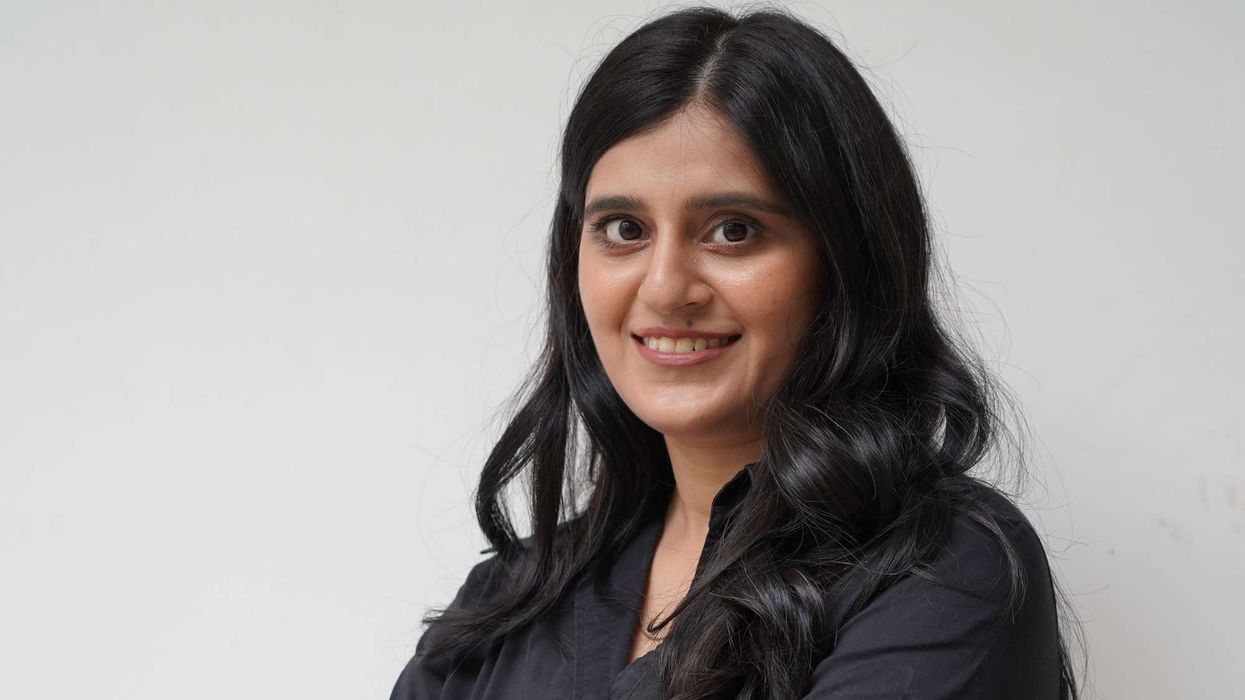
 Dr Kalpana Lakhani Garavi Gujarat
Cultural silence and stigma make diagnosis even harder
In many south Asian families, conversations about menstrual irregularity, fertility, weight, and body hair are wrapped in silence or stigma. Women often grow up hearing:
- “Your periods will settle after marriage.”
- “Weight gain is your fault.”
- “Hair growth is cosmetic — just remove it.”
- “Don’t talk about fertility; it will happen when the time is right.”
These messages delay help-seeking and normalise symptoms that should prompt clinical review.
Weight-related stigma is particularly harmful. PCOS is often framed as a lifestyle issue, with women told to “just lose weight,” despite strong evidence that PCOS has complex hormonal and metabolic origins. This narrative places blame on women while ignoring the underlying condition.
Fertility expectations add emotional pressure
For many south Asian women, fertility carries deep cultural significance. When cycles are irregular or conception is delayed, women often face:
- family pressure
- self-blame
- fear of judgement
- anxiety about future fertility
Yet PCOS is one of the most treatable causes of infertility — if diagnosed and managed properly. The tragedy is that many women spend years without a diagnosis, or with a diagnosis that is not accompanied by clear guidance.
Ultrasound is often misused — and misinterpreted
As a sonographer, I see the consequences of inconsistent ultrasound practice. Some women are told they “do not have PCOS” because their ovaries do not appear polycystic — even though ovarian appearance varies with age, cycle stage, and technique. Others are labelled with PCOS based solely on ultrasound, without considering symptoms or blood tests.
This variation would not be tolerated in diabetes or hypertension — yet it remains routine in PCOS.
The psychological impact is real
Women with PCOS experience higher rates of anxiety, depression, and body-image distress. These are not “cosmetic concerns.” They are the result of years of uncertainty, inconsistent messaging, and cultural expectations around appearance and fertility. Studies from low- and middle-income countries show significantly higher rates of anxiety and depression among women with PCOS, highlighting the global nature of this issue.
PCOS must be treated as a chronic condition — not a one-off consultation
The deeper problem is that PCOS is still not recognised as the chronic, multisystem condition it is. Many consultations focus on regulating cycles or addressing fertility, while long-term metabolic screening is inconsistent and follow-up is rare — especially for women who are not trying to conceive.
This approach is not clinically defensible. It fails to reflect the evidence and fails the women affected.
What needs to change
Diagnosis must be consistent.
- Every diagnosis must include long-term risk counselling.
- PCOS must be recognised as a chronic condition.
- Cultural barriers must be acknowledged.
- Women’s voices must be central.
A final thought
PCOS is common. The silence around it shouldn’t be.
South Asian women, who face some of the highest metabolic risks, deserve clear diagnosis, honest communication, and long-term support. Until healthcare systems recognise PCOS as the chronic, multisystem condition it is, women will continue to face preventable long-term health risks — and that is a failure we can no longer justify.
(Dr Kalpana Purshottamdas Lakhani, PhD, is a principal sonographer and independent clinical ultrasound practitioner based in Market Harborough. She writes on diagnostic governance, workforce culture and professional fairness across the NHS.)