
Highlights:
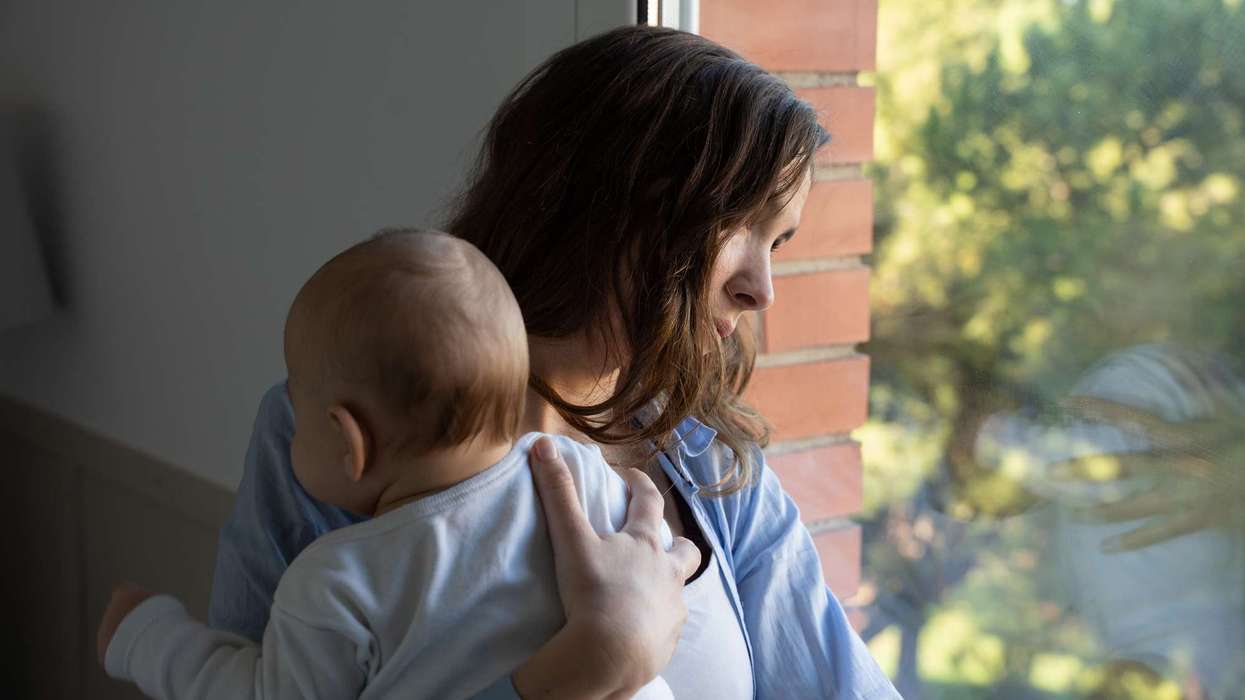
For a new mother, the weeks after childbirth are often described as a time of bonding, adjustment and learning to care for a baby.
But for some women, those first weeks can be overshadowed by memories they cannot escape.
Nightmares. Flashbacks. Fear. Anxiety. A constant sense that something terrible could happen again.
New research suggests that thousands of women across the UK may be experiencing these symptoms after childbirth without receiving the specialist help they need.
An evidence review by doctors specialising in women's health at the University of East Anglia estimates that more than 15,000 women a year across the UK could have childbirth-related post-traumatic stress disorder (PTSD) that is not identified or treated. The researchers say the true number could be considerably higher.
The findings are particularly significant for new mothers who may already feel pressure to focus entirely on their newborn while quietly struggling with what happened during pregnancy, labour or delivery.
When a traumatic birth does not end at the hospital
Childbirth-related PTSD can develop following a frightening or traumatic experience during pregnancy or delivery. It can also occur after a birth that was medically uncomplicated.
The condition is different from the ordinary exhaustion and emotional changes that can accompany having a baby.
Women experiencing PTSD may have recurring nightmares, flashbacks, anxiety, intrusive memories and persistent negative thoughts, including feelings of hopelessness.
Yet these symptoms can be difficult to identify because they may overlap with postnatal depression and anxiety.
The research found that GPs can recognise trauma-related symptoms but may still diagnose postnatal depression instead.
That matters because the treatments are not necessarily the same. The researchers point out that antidepressants, which can be used to treat depression, are not as effective for PTSD as psychological therapies, while treating depression alone may not resolve co-existing childbirth-related PTSD.
For a mother already struggling to sleep, care for a newborn and recover physically, receiving the wrong support can mean living with the trauma for longer.
The six-week check may not be enough
One of the biggest concerns raised by the researchers is the way postnatal care is structured.
The NHS six-week postnatal check is intended to provide an opportunity to assess the mother's physical and mental wellbeing while also considering the health of the baby.
But when a mother arrives at the appointment with her newborn, the baby's needs can naturally dominate the consultation.
The researchers say this can make it harder to assess the mother's mental health, particularly if she attends alone with the child.
There is another problem: a woman may simply not be ready to talk about what happened.
For some mothers, discussing a traumatic birth only weeks afterwards may bring back distressing memories or feel too difficult to explain.
The research also highlights that there is currently no approved framework specifically designed to assess women's risk of childbirth-related PTSD during these consultations.
Prof Victoria Tzortziou Brown, president of the Royal College of GPs, said: “The six-to-eight-week postnatal check is an important opportunity for GPs to discuss a woman’s physical and mental wellbeing, as well as the health of her baby. But childbirth-related PTSD can be complex to identify.
“Symptoms may overlap with depression, anxiety and other postnatal mental health problems, and may not become apparent until months after the birth.
“Recognition therefore cannot depend on a single consultation. Women need joined-up support throughout the postnatal period, across maternity services, health visiting, general practice and specialist mental health services.”
The mothers who are expected to simply move on
The research raises a wider question about what happens to women once the immediate medical crisis of childbirth is over.
A mother may have survived an emergency procedure, difficult delivery, severe pain, complications or another frightening experience — and then be expected to concentrate on feeding, sleeping and caring for her newborn.
But psychological trauma does not necessarily disappear when the physical recovery begins.
Angela McConville, chief executive of the NCT parenting charity, said: “The possibility that so many women could be living with undiagnosed PTSD after birth is deeply concerning. PTSD after birth is a serious and often overlooked condition that can have a profound impact on women and new mothers, as well as those around them. No one should have to reach crisis point before they are listened to and able to access support.”
She also warned that the effects can extend beyond the mother herself.
“These findings are a powerful reminder that birth trauma does not end when care in hospital ends. When trauma goes unrecognised or unsupported, the effects can be felt across relationships, family life and wellbeing for months or even years.”
The researchers estimate the scale of the problem using existing birth statistics and evidence on the prevalence of PTSD and referrals for specialist perinatal mental-health care.
Their estimate suggests that at least 15,000 women a year could be affected across the UK, but they acknowledge that the actual figure could reach tens of thousands.
The issue also carries serious consequences. Undiagnosed mental-health conditions after childbirth have been linked with relationship difficulties, prolonged suffering and an increased risk of suicide.
For mothers from close-knit families and communities, including many British Asian households, recognising the difference between normal post-birth adjustment and serious psychological distress can be particularly important. A woman struggling after childbirth should not be expected simply to be grateful that the baby is healthy and move on.
The central message from the research is not that every difficult birth will lead to PTSD. It is that women who are traumatised need to be asked, heard and supported beyond a single postnatal appointment.
As the researchers and GPs argue, identifying the problem may need to become part of a longer conversation — one that continues well beyond the first six weeks of motherhood.