
Highlights
- She nearly died after the birth of her first child, suffering multiple organ failure.
- Coutinho became the first pregnant Conservative leader or stand-in to lead Prime Minister’s Questions.
- Before maternity leave, she is launching a Conservative-backed report challenging the government’s net zero plans.
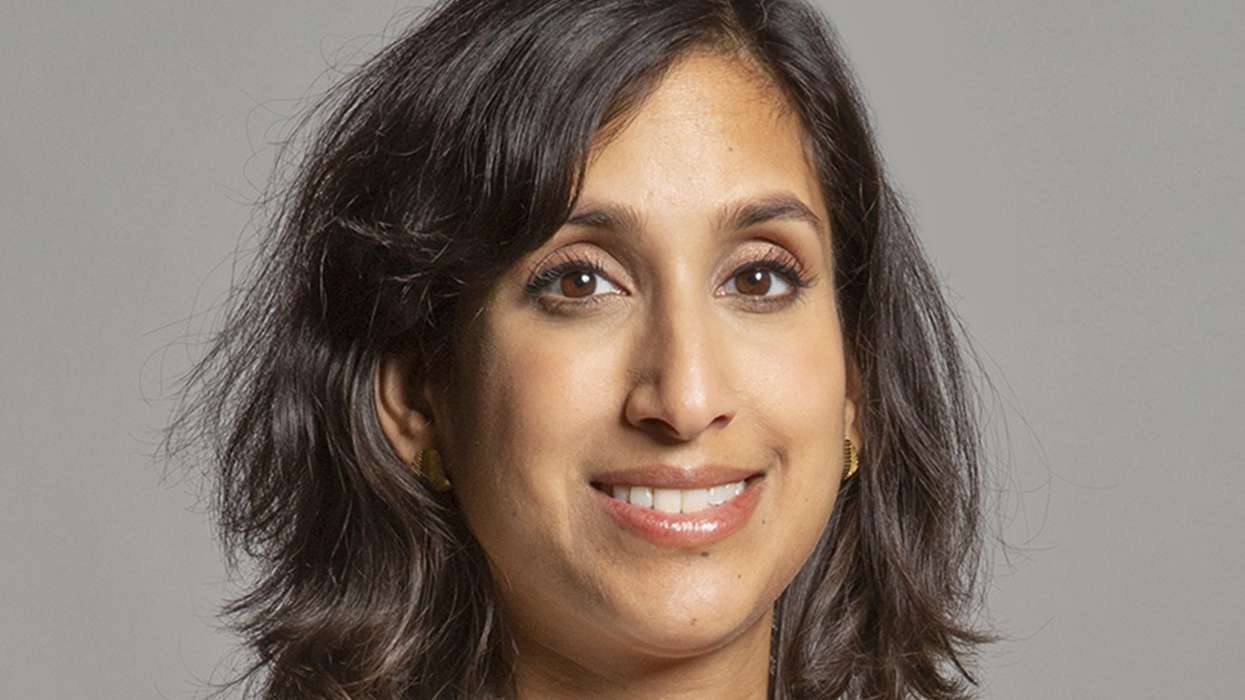
Shadow energy secretary Claire Coutinho has said she is looking forward to welcoming her second child after surviving a life-threatening childbirth that nearly claimed both her life and her first son’s, according to The Times.
Now seven months pregnant, the Conservative frontbencher said she was “surprisingly excited” about becoming a mother again, despite the traumatic experience she endured during the birth of her first child, Rafael.
Coutinho previously revealed that Rafael did not breathe for 15 minutes after he was born. Soon afterwards, she developed a rare medical condition that led to multiple organ failure and left her in a medically induced coma.
Speaking to the Times, she said doctors were closely monitoring her pregnancy and that this time had been much smoother.
Earlier this summer, Coutinho made political history by becoming the first Tory leader or stand-in to lead Prime Minister’s Questions while pregnant.
She stepped in after Conservative leader Kemi Badenoch asked her to take on the role. Recalling the moment, Coutinho said she first checked whether she could physically manage repeatedly standing and sitting during the Commons exchanges before agreeing to do it.
She said shadow chancellor Mel Stride had even offered to help her back to her feet if needed.
Before beginning maternity leave, Coutinho is also launching a report by the right-leaning think tank Onward setting out an alternative approach to Britain’s energy policy.
The report argues that the UK should rely more heavily on nuclear power and gas alongside renewable energy, rather than continuing large-scale subsidies for wind and solar power. It claims the approach could save Britain £320 billion between 2030 and 2050, equivalent to around £540 a year for each household.
Coutinho argued that an energy system dominated by wind and solar created unpredictable electricity supplies and added hidden costs through backup generation, grid upgrades and payments to switch off excess renewable power.
She said Britain should pursue “a clean but considerably cheaper” electricity system and warned against what she described as an ideological approach to energy policy.
The shadow minister also backed continued oil and gas production in the North Sea, saying the industry remained important to Britain’s economy.
She argued that approving a single new oilfield would not go far enough if restrictions on future licences remained in place.
Despite her criticism of Labour’s energy strategy, Coutinho said affordability would remain the biggest factor in everyday decisions, including her own family’s next car purchase.
“For me the biggest driver for what we adopt in our family is going to be cost,” she was quoted as saying. “I think that’s true for most of the country.”