
PAKISTAN officials will hold talks in Qatar on Saturday (18) with their Afghan counterparts, a day after Islamabad launched air strikes on its neighbour killing at least 10 people and breaking a ceasefire that had brought two days of calm to the border.
"Defence minister Khawaja Asif and intelligence chief General Asim Malik will be heading to Doha today for talks with Afghan Taliban," Pakistan state TV said.
An Afghan Taliban government official also confirmed the talks would take place.
"A high-level delegation from the Islamic Emirate, led by defense minister Mohammed Yaqub, left for Doha today," Afghan Taliban government spokesman Zabihullah Mujahid said on X.
A 48-hour truce paused nearly a week of bloody border clashes that killed dozens of troops and civilians on both sides.
But late on Friday (17) Afghanistan accused Pakistan of breaking the ceasefire, with deadly effect.
"Pakistan has broken the ceasefire and bombed three locations in Paktika" province, a senior Taliban official told AFP, speaking on condition of anonymity. "Afghanistan will retaliate."
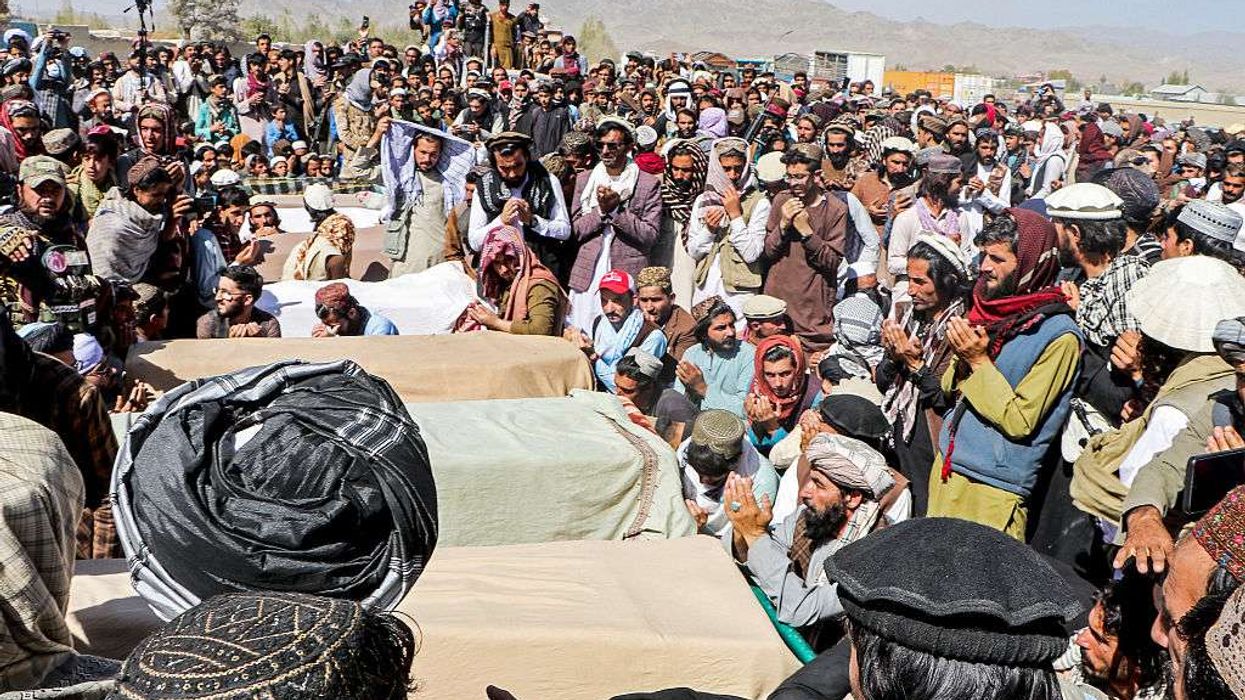
Ten civilians were killed and 12 others wounded in the strikes, a provincial hospital official said on condition of anonymity, adding that two children were among the dead.
The Afghanistan Cricket Board told AFP that three players who were in the region for a domestic tournament were killed, revising down an earlier toll of eight.
It also said it was withdrawing from the upcoming Tri-Nation T20I Series involving Pakistan, scheduled for next month.
In Pakistan, a senior security official said that forces had "conducted precision aerial strikes" in Afghan border areas targeting the Hafiz Gul Bahadur Group, a local faction linked to Tehreek-e-Taliban Pakistan (TTP) -- the Pakistani Taliban.
Islamabad said that same group had been involved in a suicide bombing and gun attack at a military camp in the North Waziristan district that borders Afghanistan, which left seven Pakistani paramilitary troops dead.
Security issues are at the heart of the tensions, with Pakistan accusing Afghanistan of harbouring militant groups led by the Tehreek-e-Taliban Pakistan (TTP) -- the Pakistani Taliban -- on its soil, a claim Kabul denies.
The cross-border violence had escalated dramatically from Saturday, days after explosions rocked the Afghan capital Kabul, just as the Taliban's foreign minister began an unprecedented visit to India, Pakistan's longtime rival.
The Taliban then launched an offensive along parts of its southern border with Pakistan, prompting Islamabad to vow a strong response of its own.
When the truce began at 1300 GMT on Wednesday (15), Islamabad said that it was to last 48 hours, but Kabul said the ceasefire would remain in effect until Pakistan violated it.
Pakistan's defence minister Khawaja Muhammad Asif accused Kabul of acting as "a proxy of India" and "plotting" against Pakistan.
"From now on, demarches will no longer be framed as appeals for peace, and delegations will not be sent to Kabul," Asif wrote in a post on X.
"Wherever the source of terrorism is, it will have to pay a heavy price."
Taliban government spokesman Zabihullah said its forces had been ordered not to attack unless Pakistani forces fired first.
"If they do, then you have every right to defend your country," he said in an interview with the Afghan television channel Ariana, relaying the message sent to the troops.
(AFP)



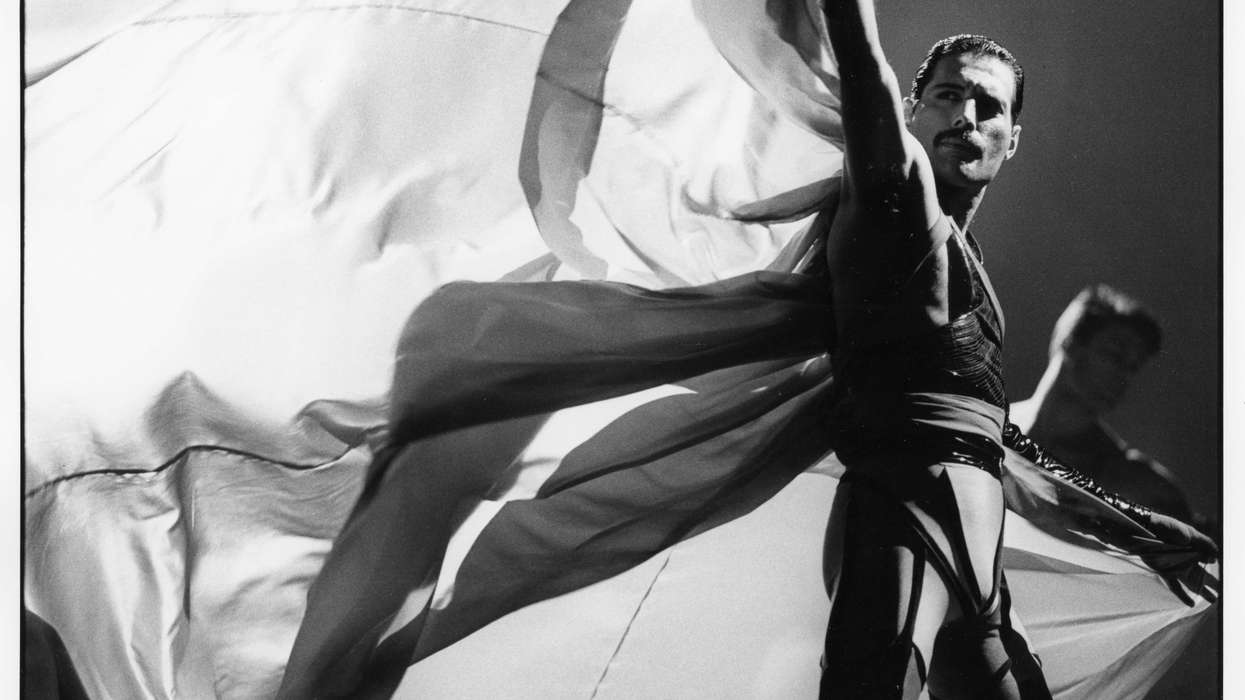
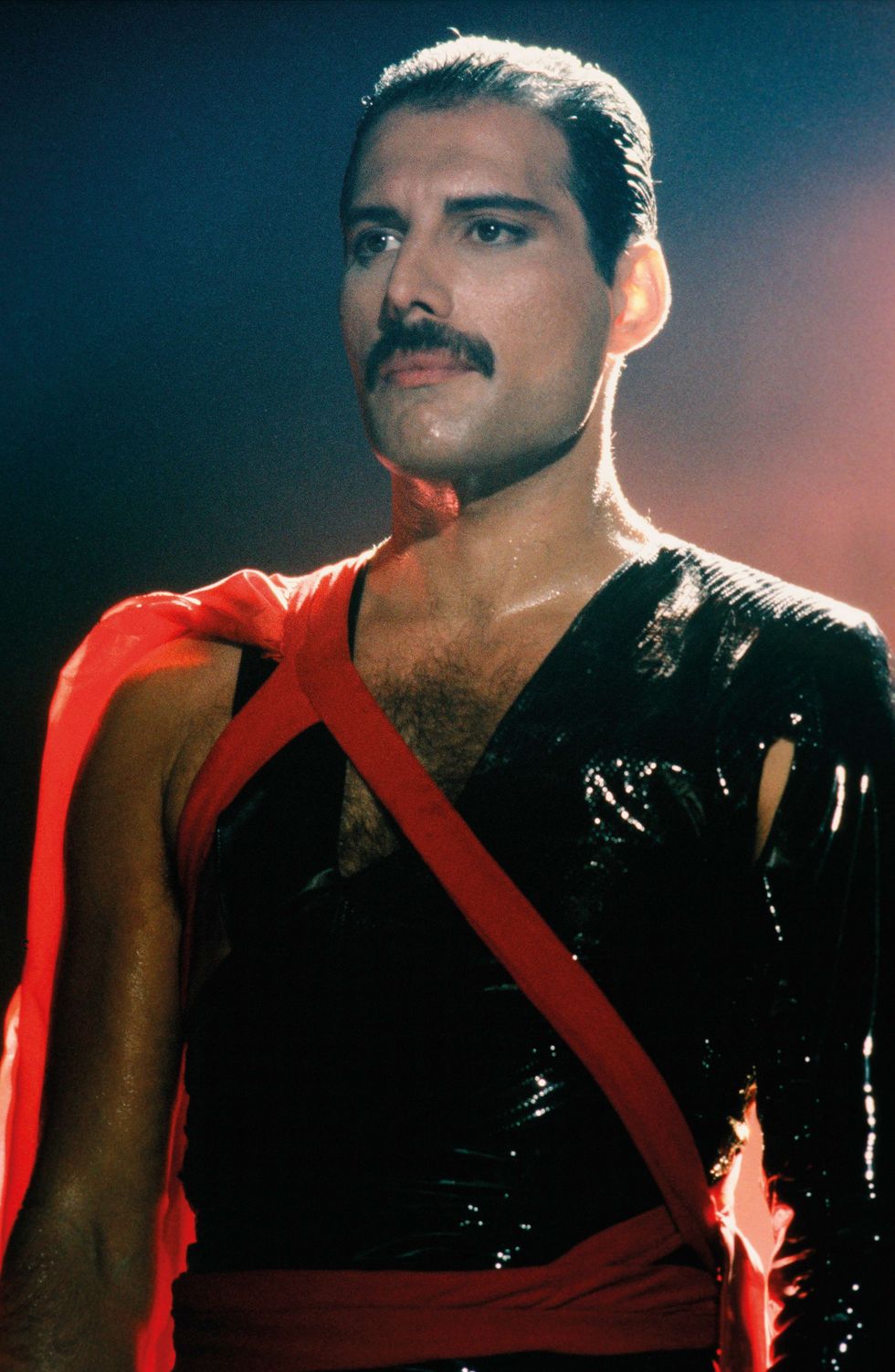 Freddie Mercury in the Made in Heaven music videoSimon Fowler © Mercury Songs Ltd
 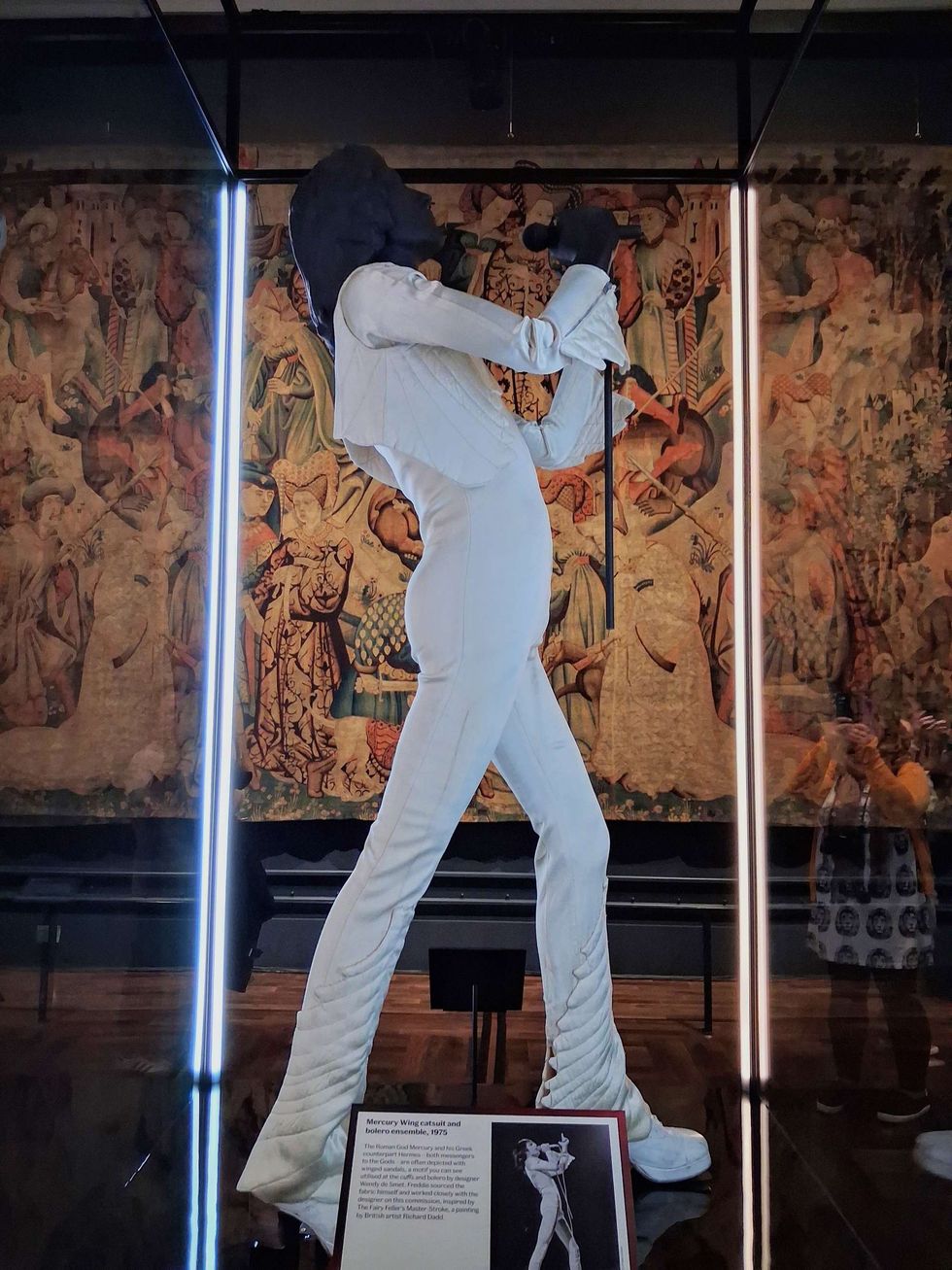 Mercury Wing Catsuit and bolero ensemble (1975)Amit Roy
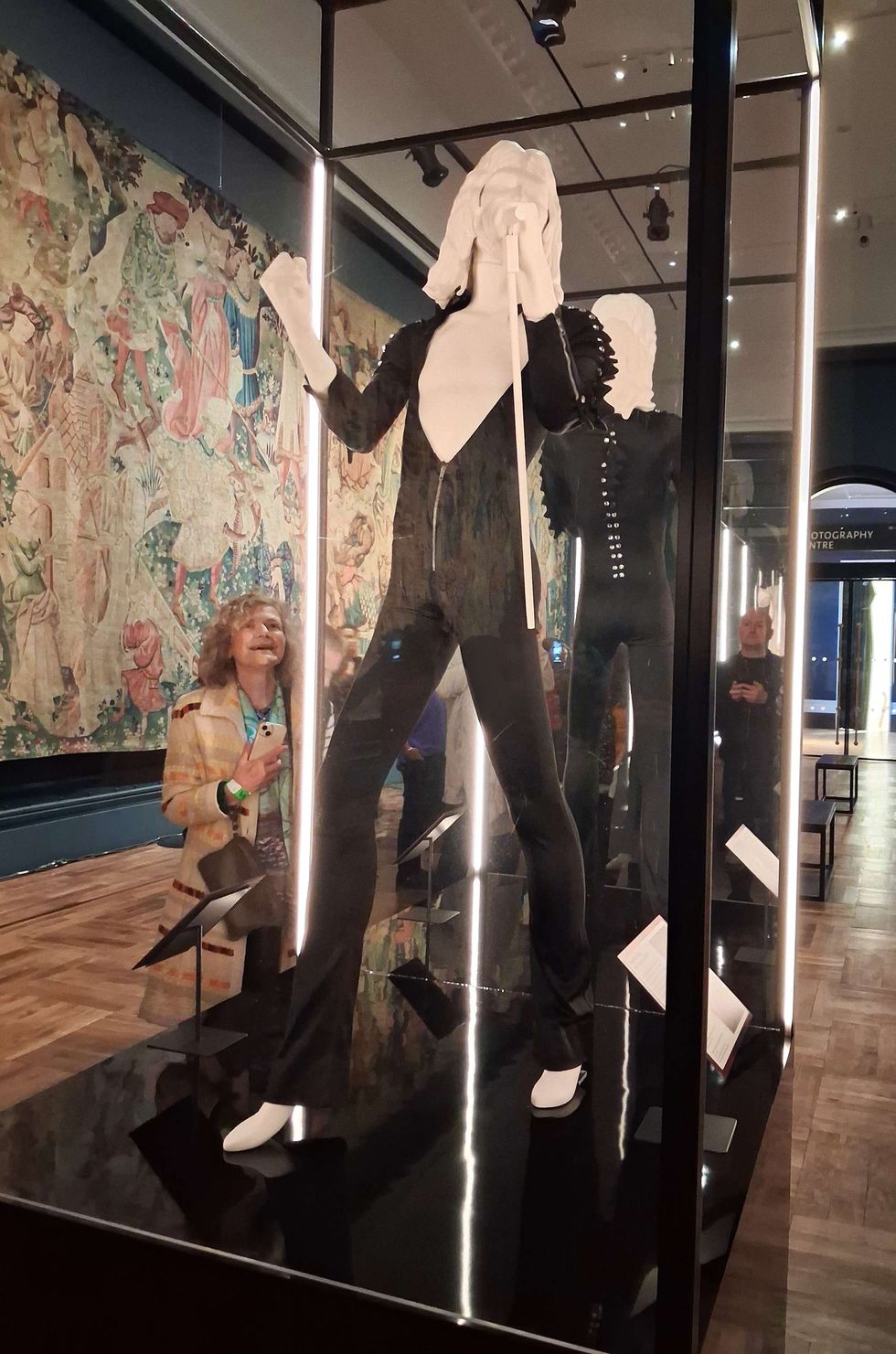 Designer Wendy de Smet with the spine suit or the Black Queen suit from 1975 Amit Roy
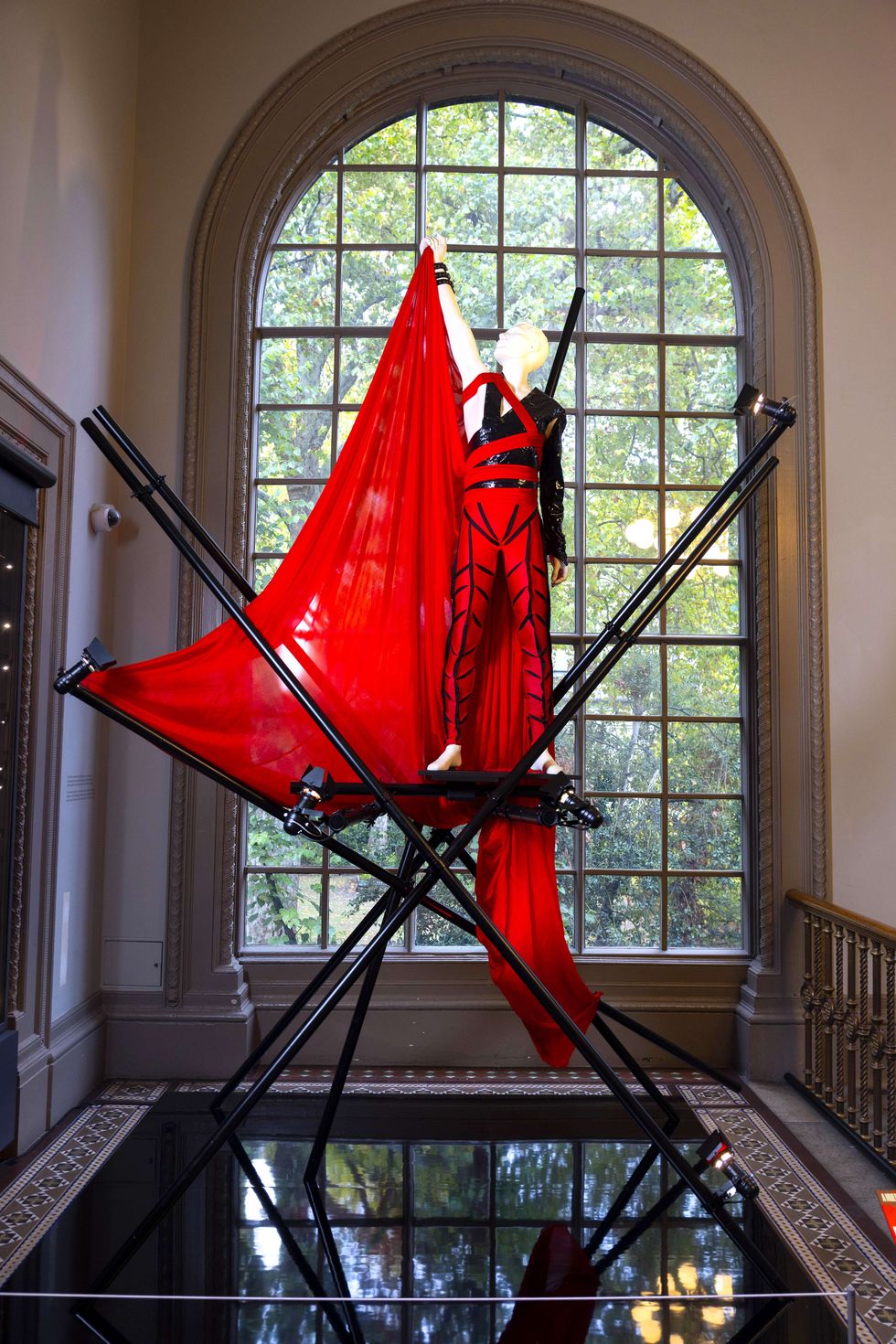 Made in Heaven music video costume (1985) David Parry/V&A
 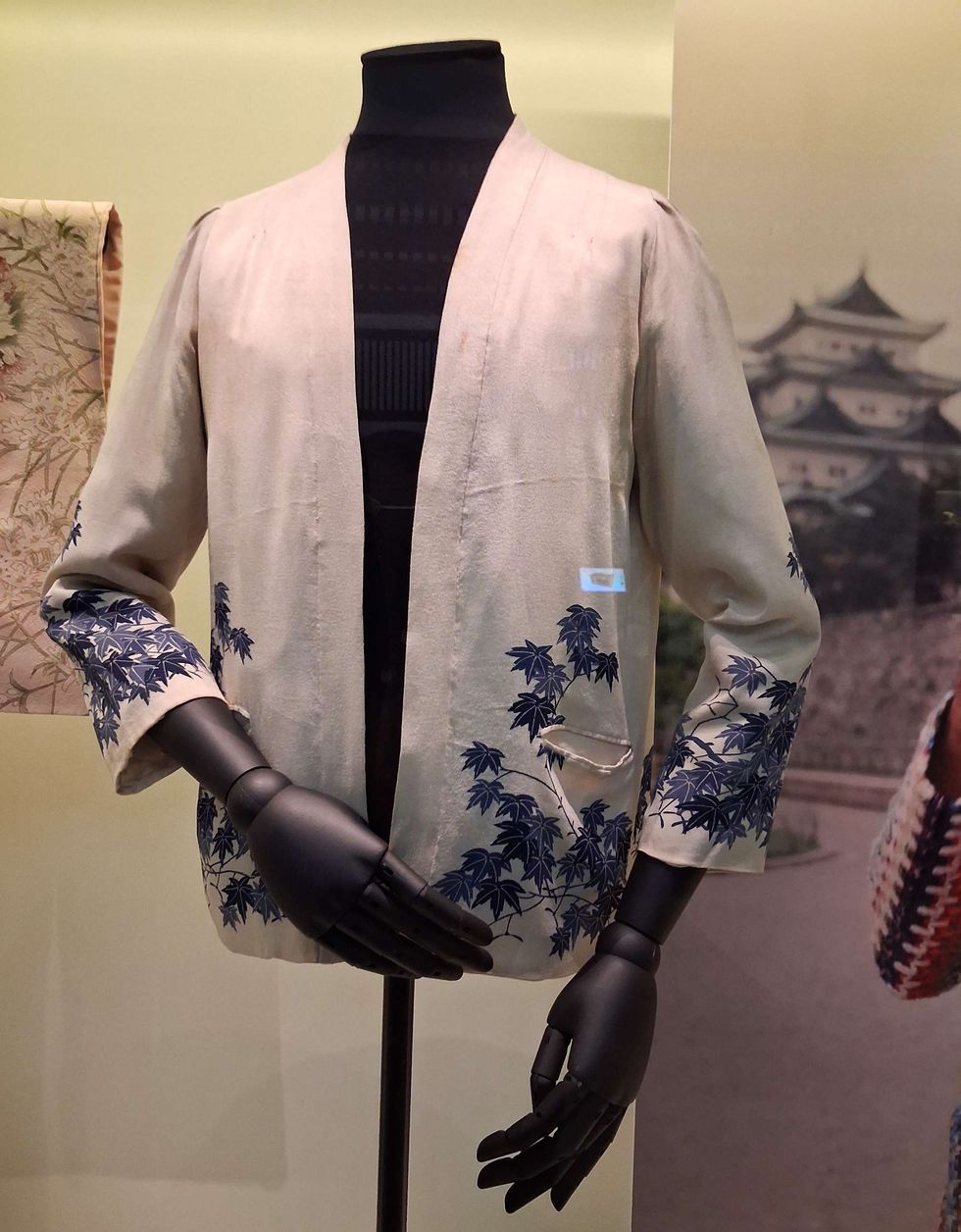 Japanese jacket (early 1970s)Amit Roy
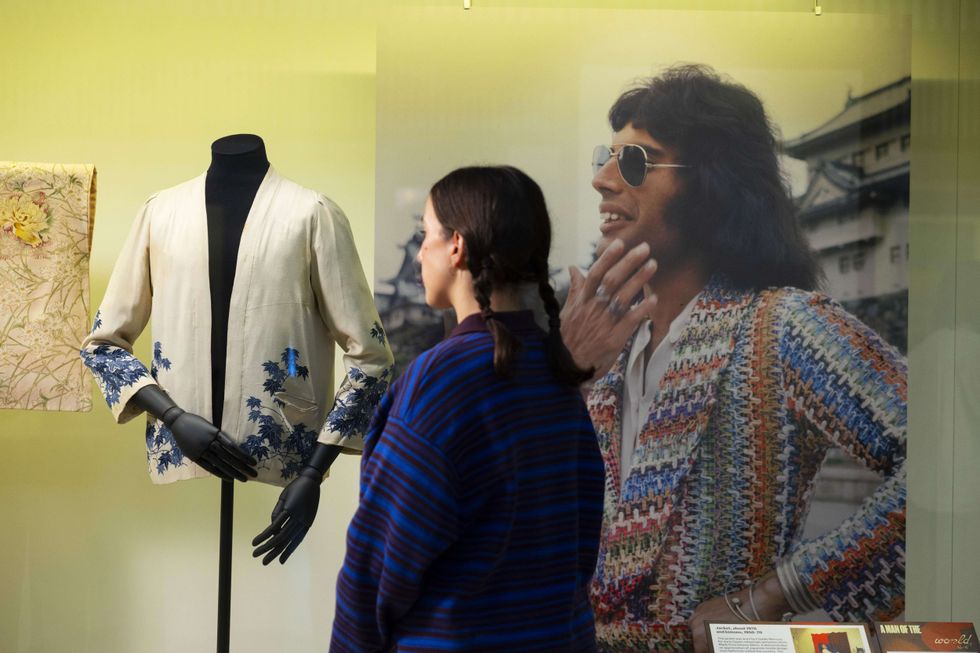 Japanese jacket (early 1970s) and kimono (1950-70) David Parry/ V&A
 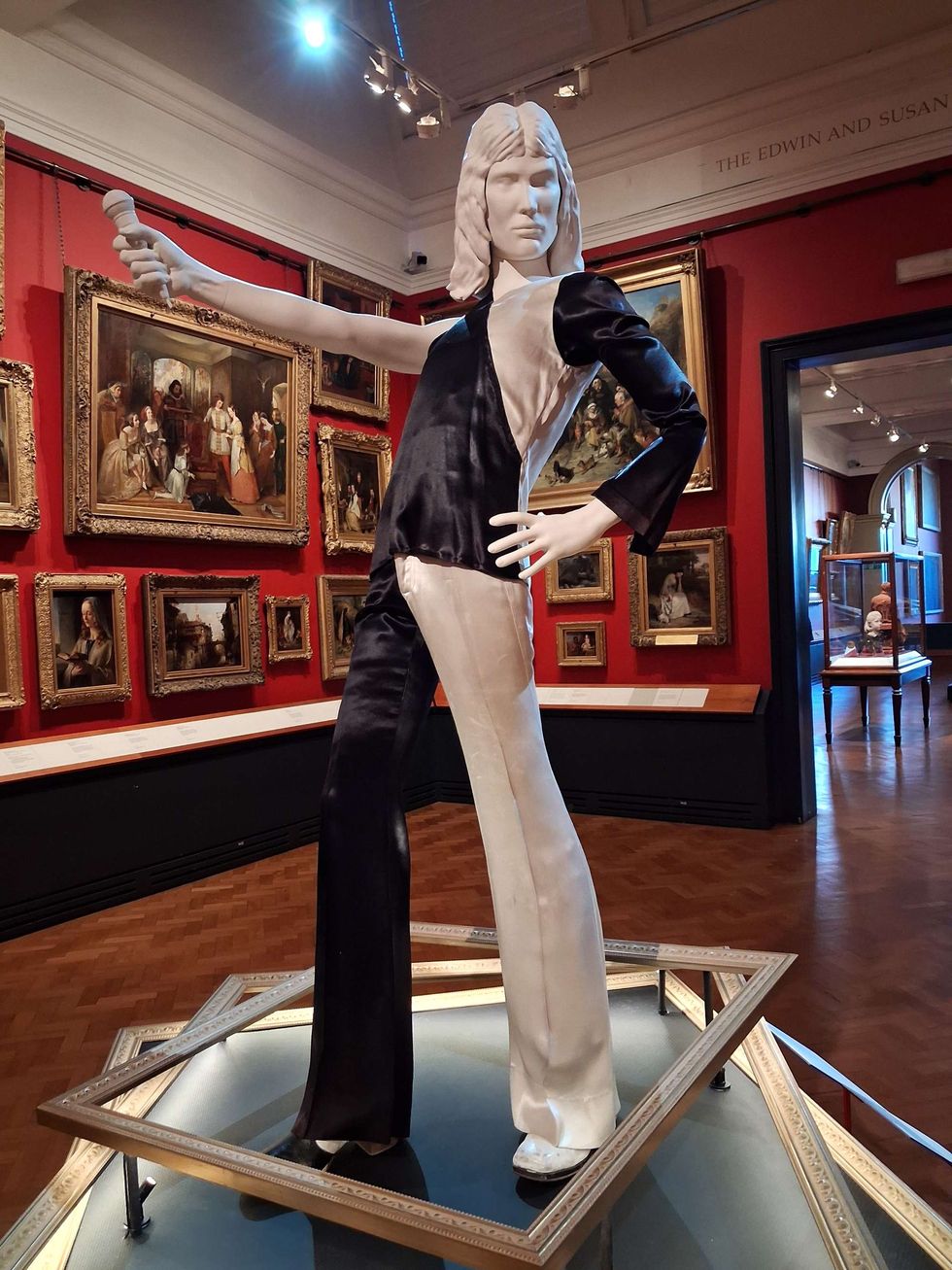 Ensemble worn for Imperial College gig in 1973Amit Roy
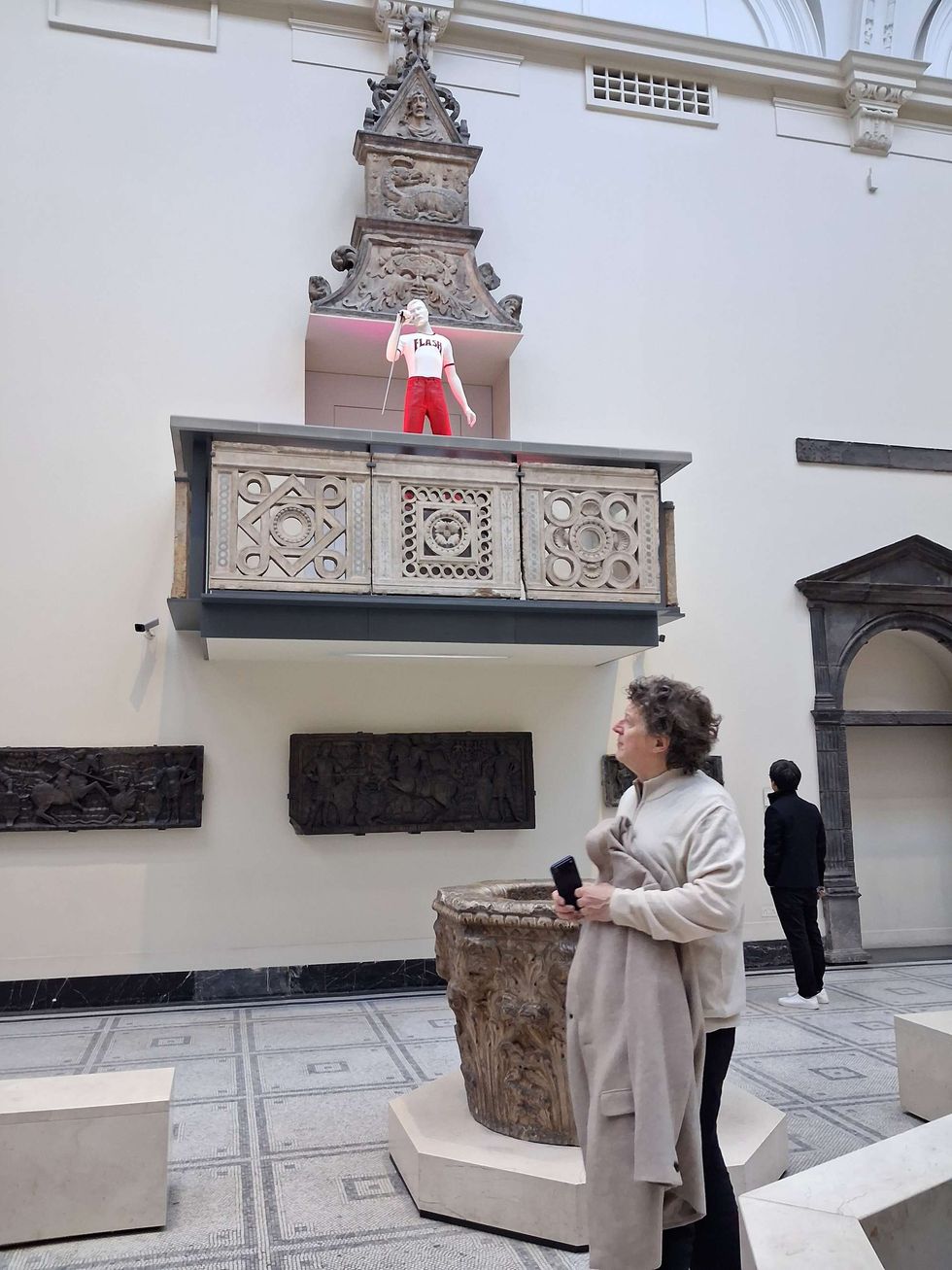 Flash ensemble and half mic (Flash Gordon 1980)Amit Roy
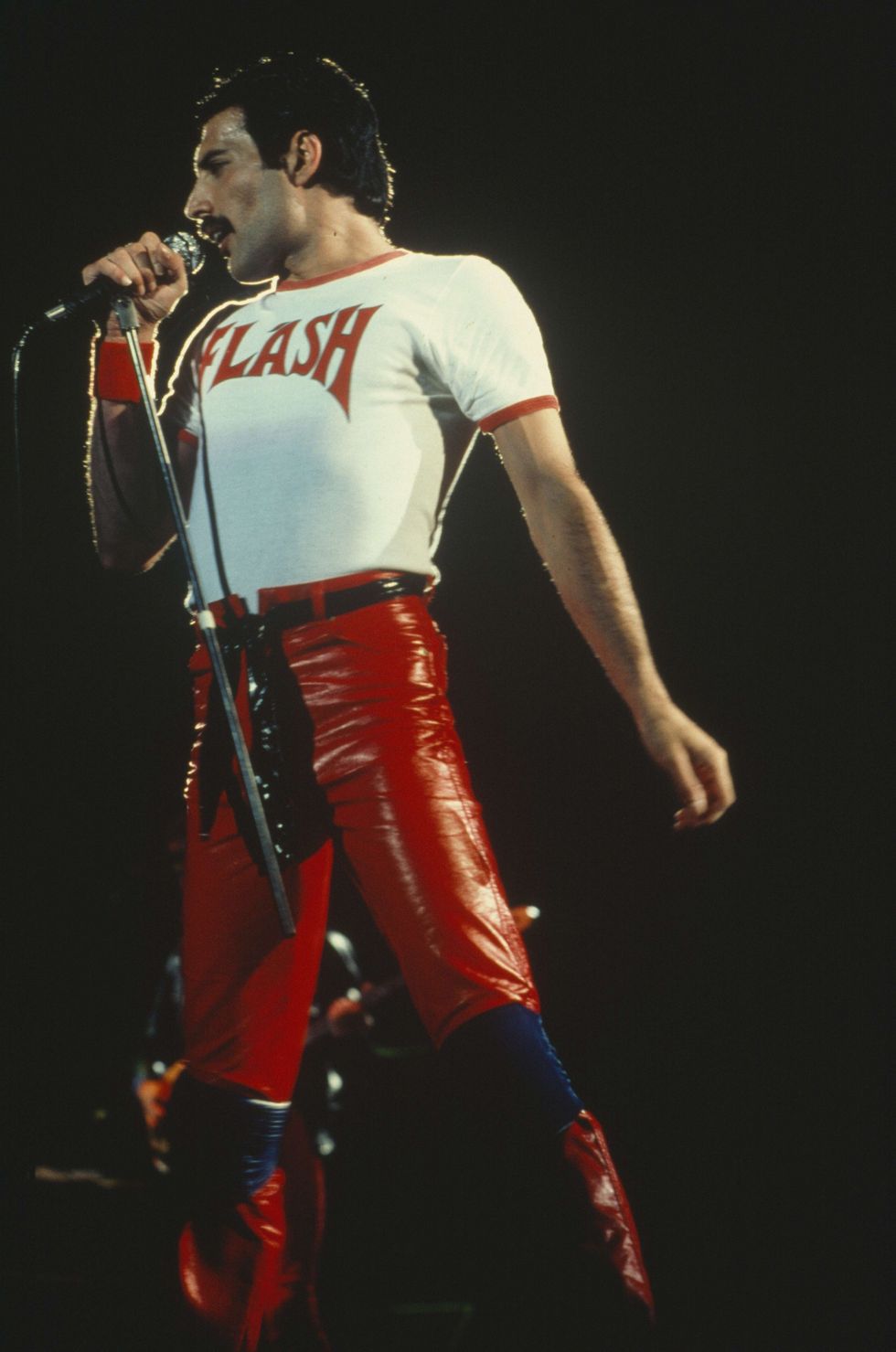 Freddie Mercury performs wearing a 'Flash' t-shirt at Sports Arena in San Diego, California, United States, on 5th July 1980David TanShinko Music/Getty Images
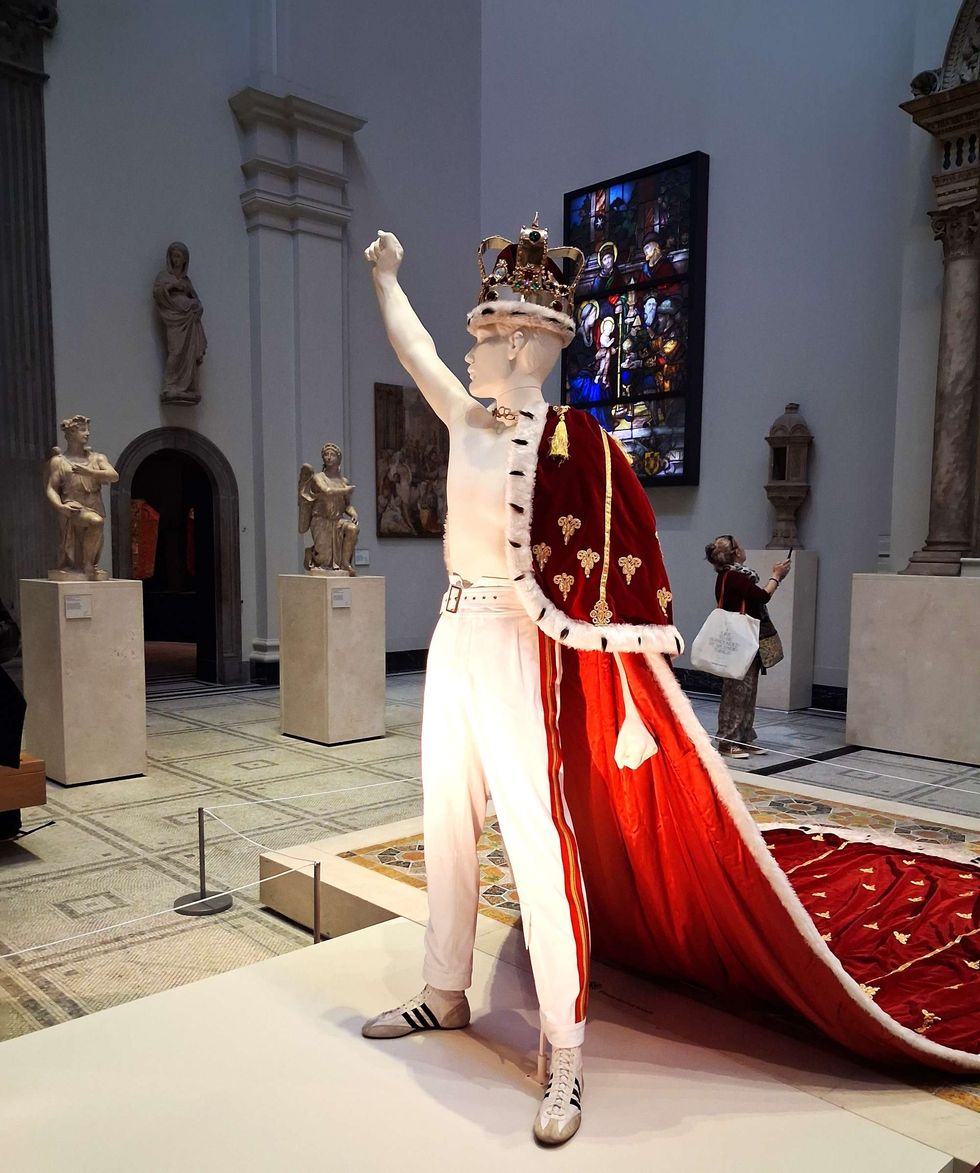 Cloal and crown ensembleAmit Roy
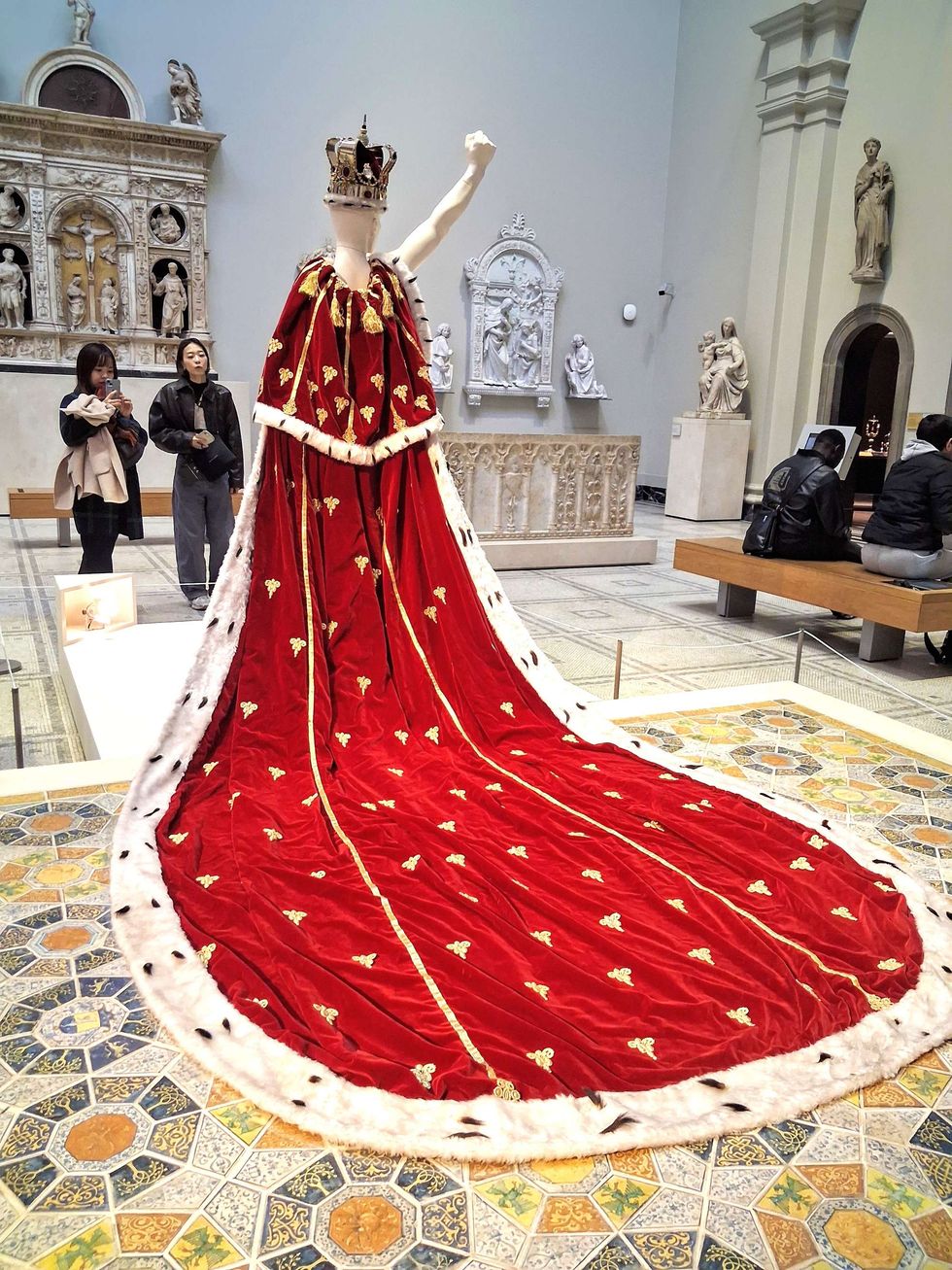 Cloak and crown ensemble (1986)Amit Roy
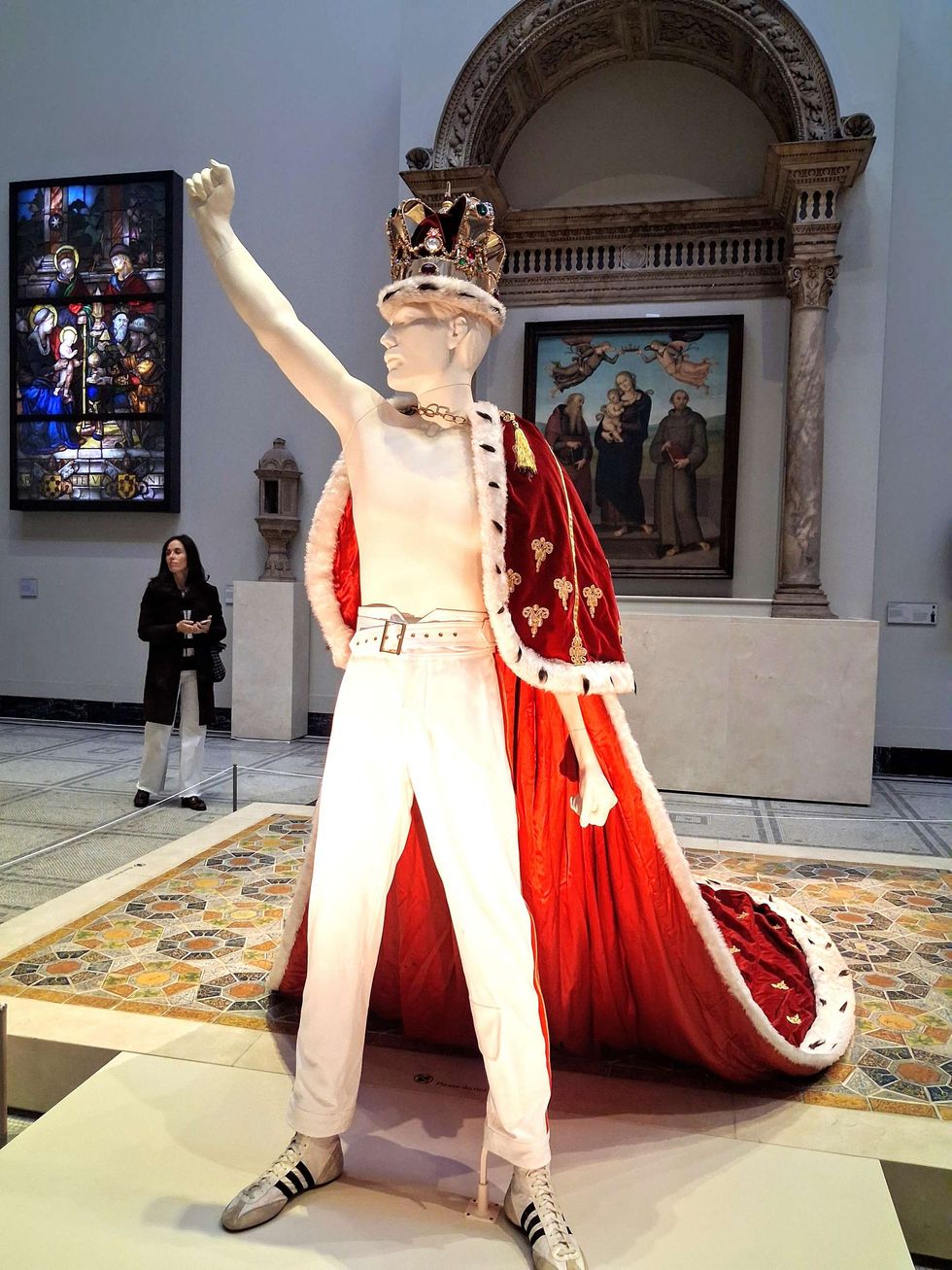 Cloak and crown ensemble (1986)Amit Roy
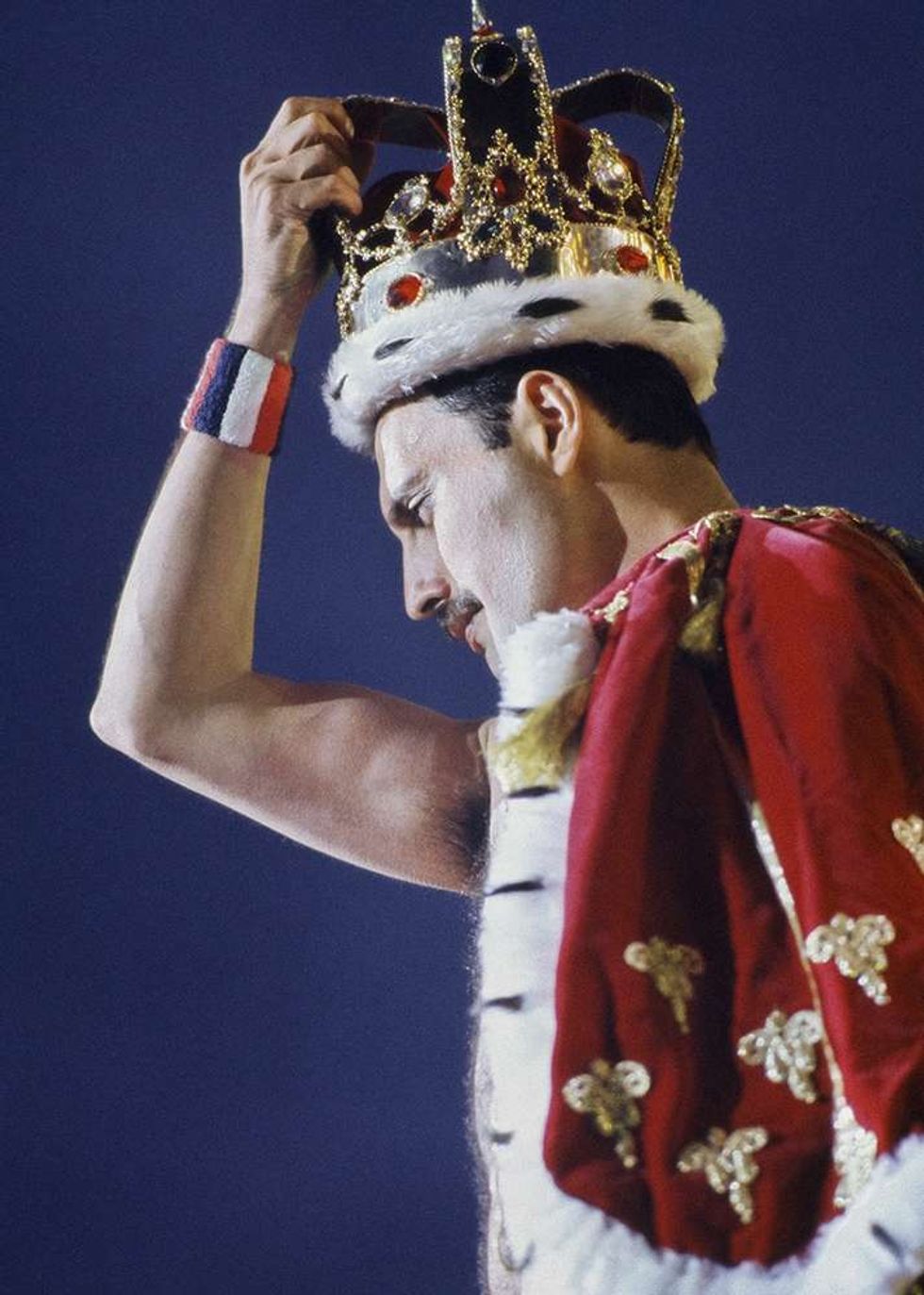 Freddie Mercury, Magic Tour (1986) Denis O’Regan