
Skip to content
Search

Latest Stories

Submit Guest Post

India bans Shoaib Akhtar, Basit Ali’s YouTube channels after Pahalgam attack crackdown

Move targets 16 Pakistani YouTube channels accused of spreading misinformation and provocative content after Jammu and Kashmir tragedy.

Shoaib Akhtar

Shoaib Akhtar and Basit Ali’s YouTube channels among 16 Pakistan-based platforms blocked by India following the Pahalgam terror attack

Getty Images

In a strong response to the recent Pahalgam terror attack, where 26 people lost their lives, the Indian government has blocked 16 YouTube channels from Pakistan, including those run by cricket figures Shoaib Akhtar and Basit Ali. The ban comes on the recommendation of the Ministry of Home Affairs, citing national security concerns.

When attempting to access these channels from India, viewers are met with a message stating that the content has been removed following a government order related to public safety. The move targets platforms accused of spreading false information, communal unrest, and anti-India narratives, particularly against the Indian Army and security forces, after the attack.


Besides Akhtar and Basit, the channel of former fast bowler Tanveer Ahmed has also been blocked. So far, none of them have issued a public response to the action.

This is part of a wider clampdown that includes major Pakistani news networks like Dawn News, ARY News, Geo News, and Samaa TV. In total, the 16 banned channels collectively had over 63 million subscribers. Other names on the list include Irshad Bhatti, Raftar, The Pakistan Reference, BOL News, Samaa Sports, GNN, Uzair Cricket, Umar Cheema Exclusive, Asma Shirazi, Muneeb Farooq, Suno News HD, and Razi Naama.

The decision is seen as a non-military measure by India to counter what officials describe as "misleading and provocative" content coming from across the border. Officials made it clear that the crackdown was aimed at limiting the spread of misinformation, especially when tensions between India and Pakistan are high.

While Akhtar and Basit’s content mostly focused on cricket, their channels were not spared amid wider concerns about how narratives are shaped online. Interestingly, Shahid Afridi’s channel, although known for controversial remarks in the media, remains available in India for now, even as diplomatic ties between the two countries grow colder after the attack.

The situation is still unfolding, and it remains to be seen whether any of the blocked channels will be restored in the future.


Add EasternEye As Your Trusted Source
preferred source on google news

More For You

HYROX China faces backlash after athlete wins race despite bowel incontinence mid-competition

An Australian competitor at HYROX Beijing suffered sudden fecal incontinence mid-race due to intense physical stress

HYROX China faces backlash after athlete wins race despite bowel incontinence mid-competition

Highlights:

  • HYROX China is facing criticism after Australian athlete Joanna Wietrzyk, the sport's current world record holder, won the women's Pro event in Beijing despite suffering sudden bowel incontinence mid-race.
  • Organisers confirmed they closed affected race lanes, removed contaminated equipment, and carried out deep cleaning and carpet replacement overnight before the rest of the event continued.
  • The debate isn't primarily about the medical incident itself, which is a recognised risk in endurance sport, but about whether continuing put other competitors at risk by sharing contaminated equipment and course surfaces.

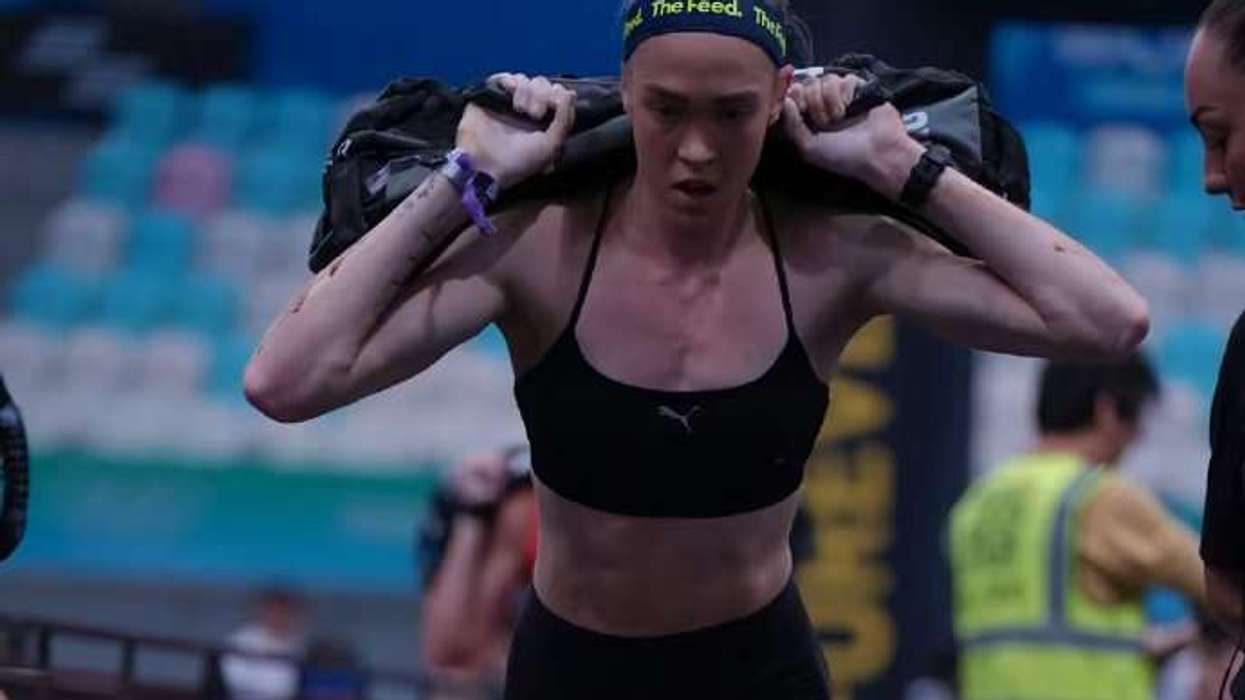
Joanna Wietrzyk won her race in Beijing on Saturday. That's not what most people are talking about. The Melbourne athlete, who holds the current HYROX world record, experienced sudden bowel incontinence partway through the competition and continued racing to the finish, and it's the decision to continue, not the medical incident itself, that's now the subject of genuine debate within the sport.

What actually happened?

Wietrzyk was competing in the women's Pro division at HYROX Beijing on 12 September when she experienced sudden bowel incontinence during the race. Rather than withdrawing, she continued through the remaining stations, including shared equipment such as rowing machines and wall-ball stations, and finished the course in a time of 1:01:23 to win the event. Footage and images from the race circulated widely on Chinese social media over the weekend, prompting HYROX China to issue a public statement addressing hygiene concerns.

Keep ReadingShow less