A UN agency has sought global support for Covid-19 vaccinations among refugees in Asia as well as the Rohingya in Bangladesh.
The UNHCR said the number of coronavirus cases increased considerably in the past two months among 900,000 Rohingya refugees who are living in the densely populated cluster of refugee camps in Cox’s Bazar, Bangladesh.
“As of 31 May, there have been over 1,188 cases confirmed among the refugee population, with more than half of these cases recorded in May alone,” said UNHCR spokesperson Andrej Mahecic in a regular briefing in Geneva on Tuesday (1).
He said, “We are particularly worried about the situation in the Asia and Pacific region, which in the past two months has experienced the largest increase in the number of cases globally. Over this period, there have been some 38 million recorded Covid-19 cases and more than half a million deaths.”
“We urge immediate and stronger support for the COVAX initiative, a worldwide effort aimed at achieving equitable access to Covid-19 vaccines. This is critical to save lives and curb the impact of the virus, particularly in developing nations. These countries host the vast majority of more than 80 million forcibly displaced people in the world. Yet so far, they have benefited from only a fraction of the world’s Covid-19 vaccines,” Mahecic said.
Some refugees in Nepal have received their first vaccine dose with COVAX-provided supplies, the agency said.
“Among the Rohingya refugees in the camps in Bangladesh, not a single vaccine has been administered yet, given the scarcity of supplies in the country,” the spokesperson said.
The current delays in vaccine shipments have limited the supplies to COVAX, which means some of the world’s most vulnerable people remain susceptible to the virus, the agency said.
The UNHCR is adding its voice to the calls for countries with surplus doses to donate to COVAX, and for manufacturers to boost supplies to the COVAX facility.
It stresses that no one can be left behind in the global effort against the coronavirus and the pandemic will be defeated only when vaccinations become available everywhere on an equitable basis.
The highly infectious variant of the virus which first emerged in India threatens to rapidly spread in the sub-region, including among refugee populations, it added.
The spokesperson said refugees remain especially vulnerable to the spread of Covid-19. Overcrowded settings, coupled with limited water and sanitation facilities, can contribute to increased infection rates and an exponential spread of the virus.
UNHCR’s total financial requirements for Covid include $455 m (£373 m) in supplementary needs and $469 m (£385 m) in Covid-related activities that are included in its regular budget. To date, including projected contributions, UNHCR has received $252.8 m (£206 m) or 27 per cent of these requirements.





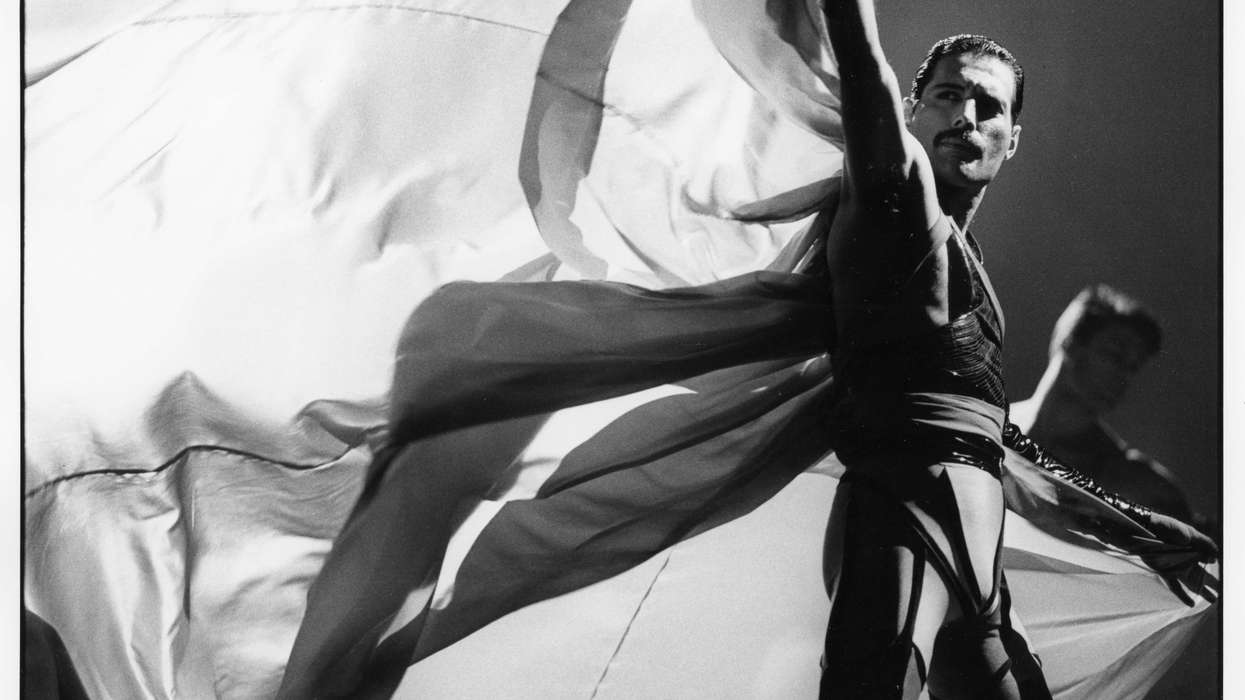
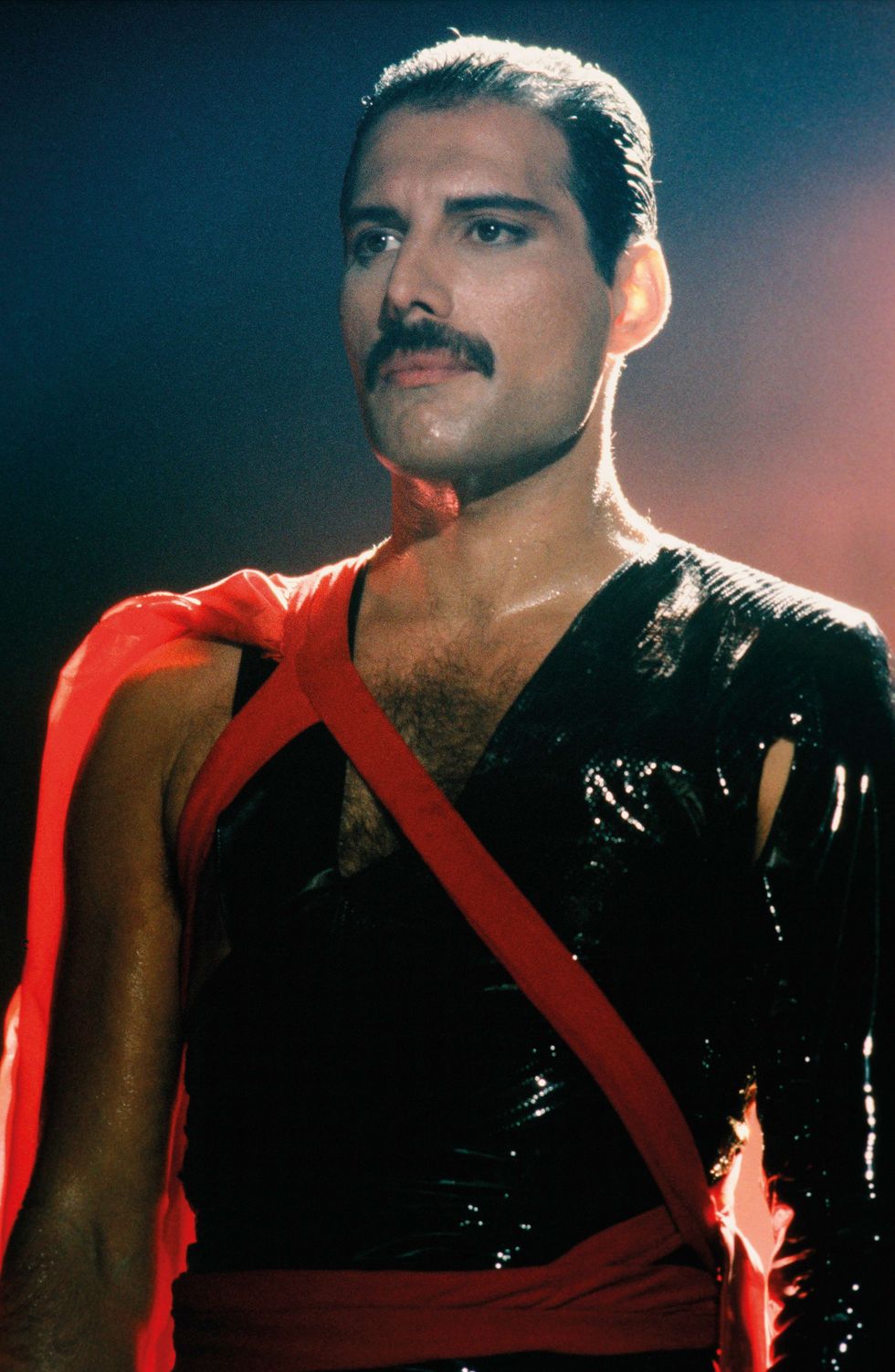 Freddie Mercury in the Made in Heaven music videoSimon Fowler © Mercury Songs Ltd
 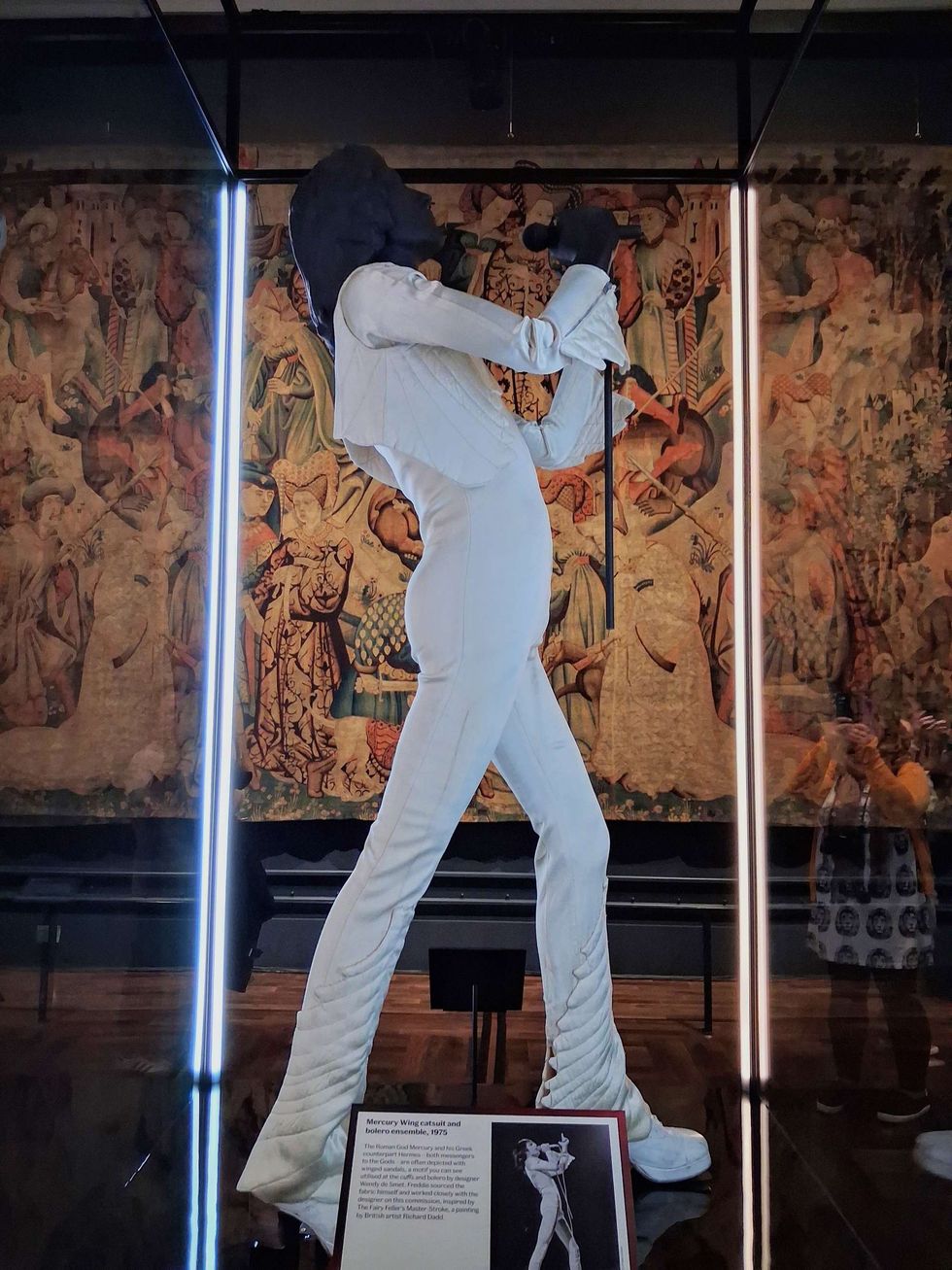 Mercury Wing Catsuit and bolero ensemble (1975)Amit Roy
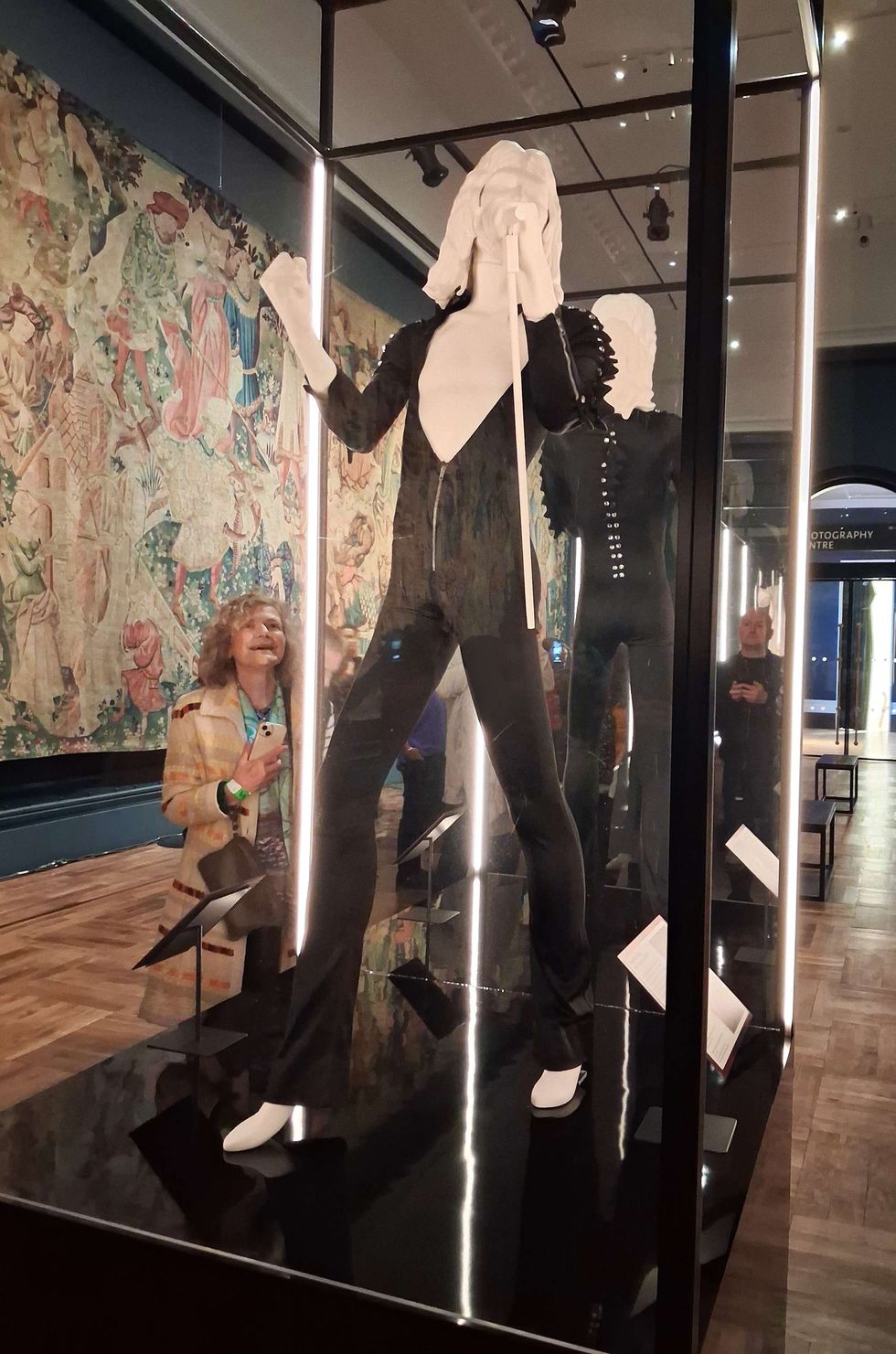 Designer Wendy de Smet with the spine suit or the Black Queen suit from 1975 Amit Roy
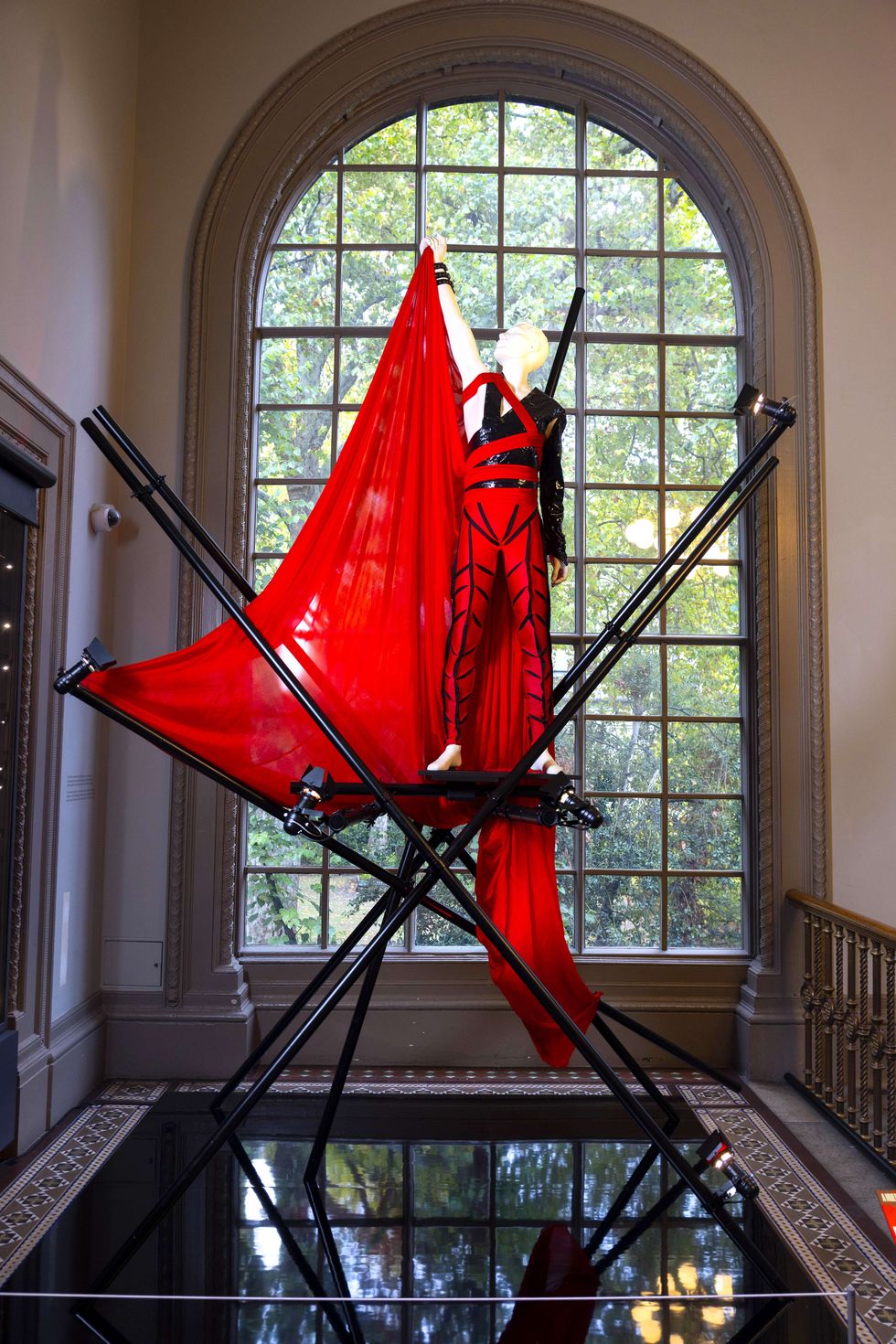 Made in Heaven music video costume (1985) David Parry/V&A
 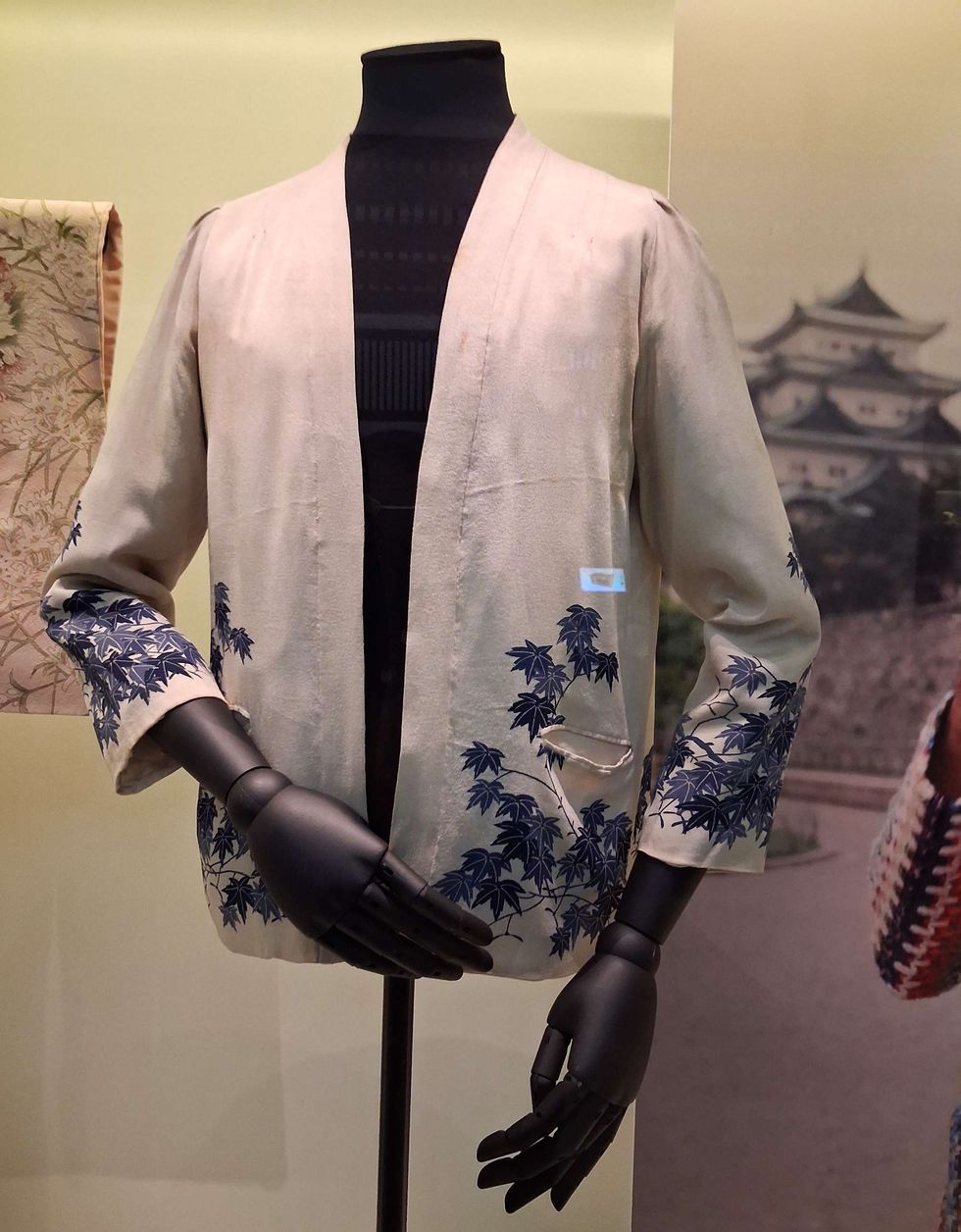 Japanese jacket (early 1970s)Amit Roy
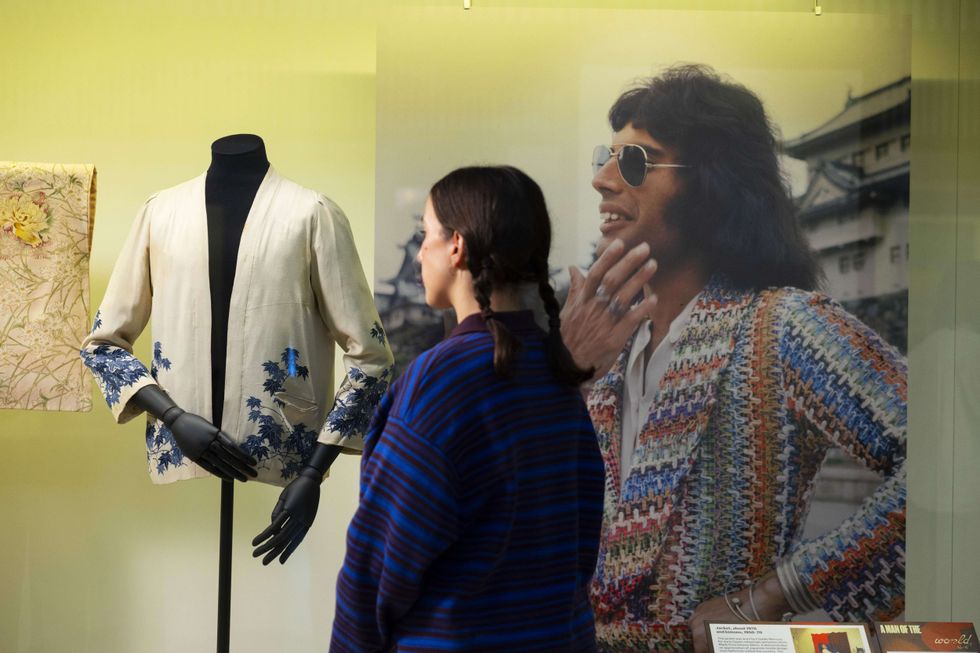 Japanese jacket (early 1970s) and kimono (1950-70) David Parry/ V&A
 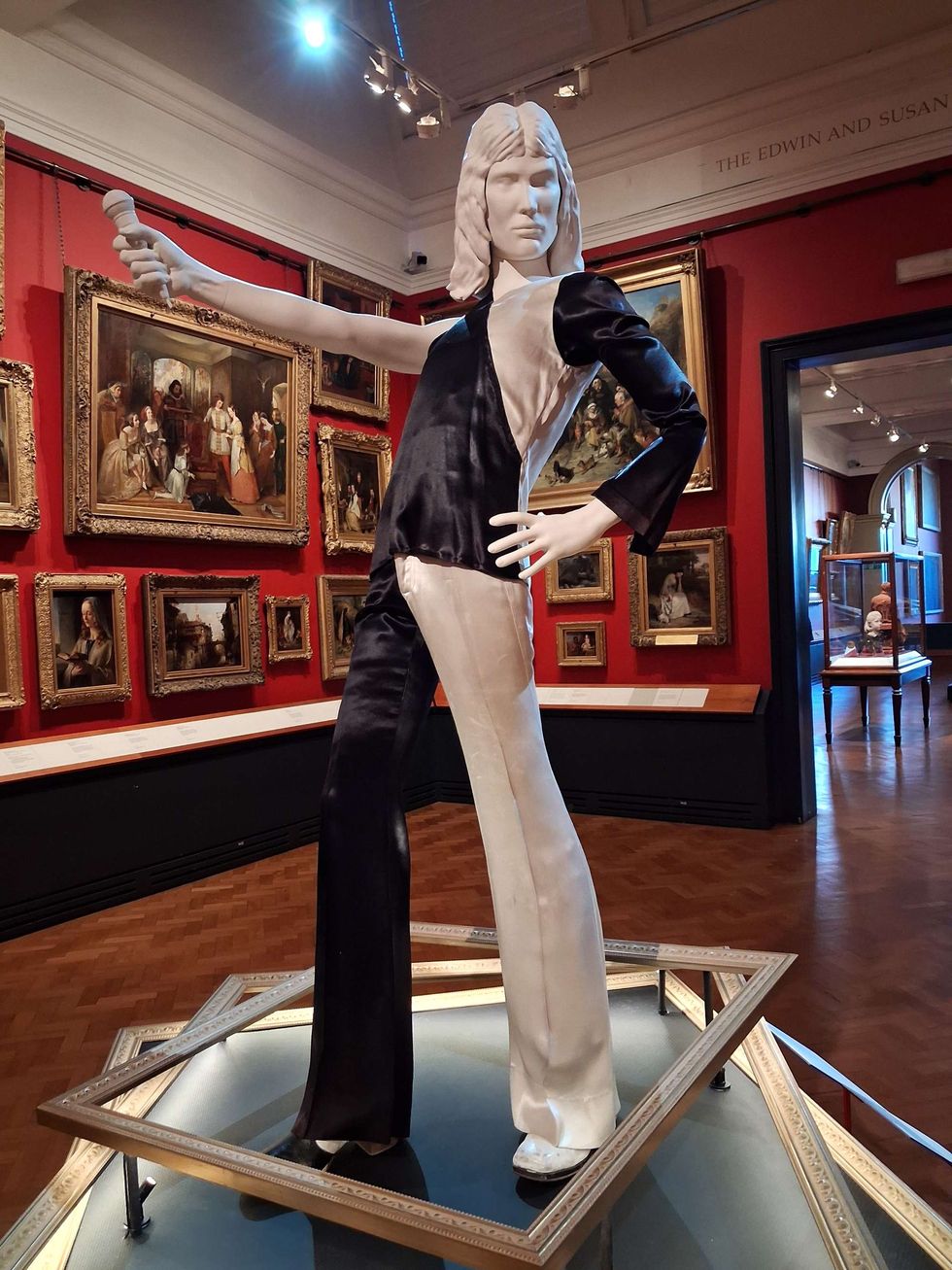 Ensemble worn for Imperial College gig in 1973Amit Roy
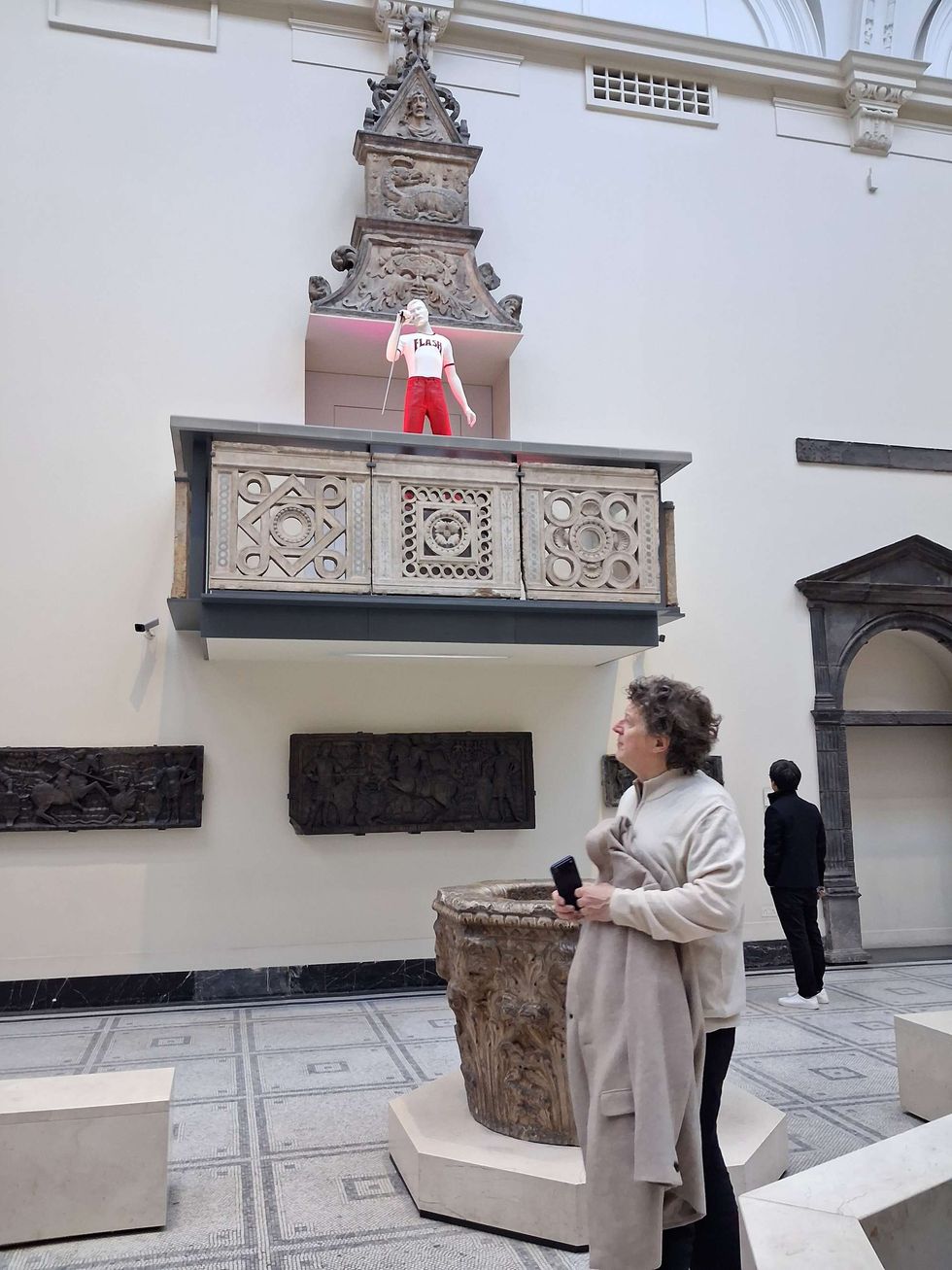 Flash ensemble and half mic (Flash Gordon 1980)Amit Roy
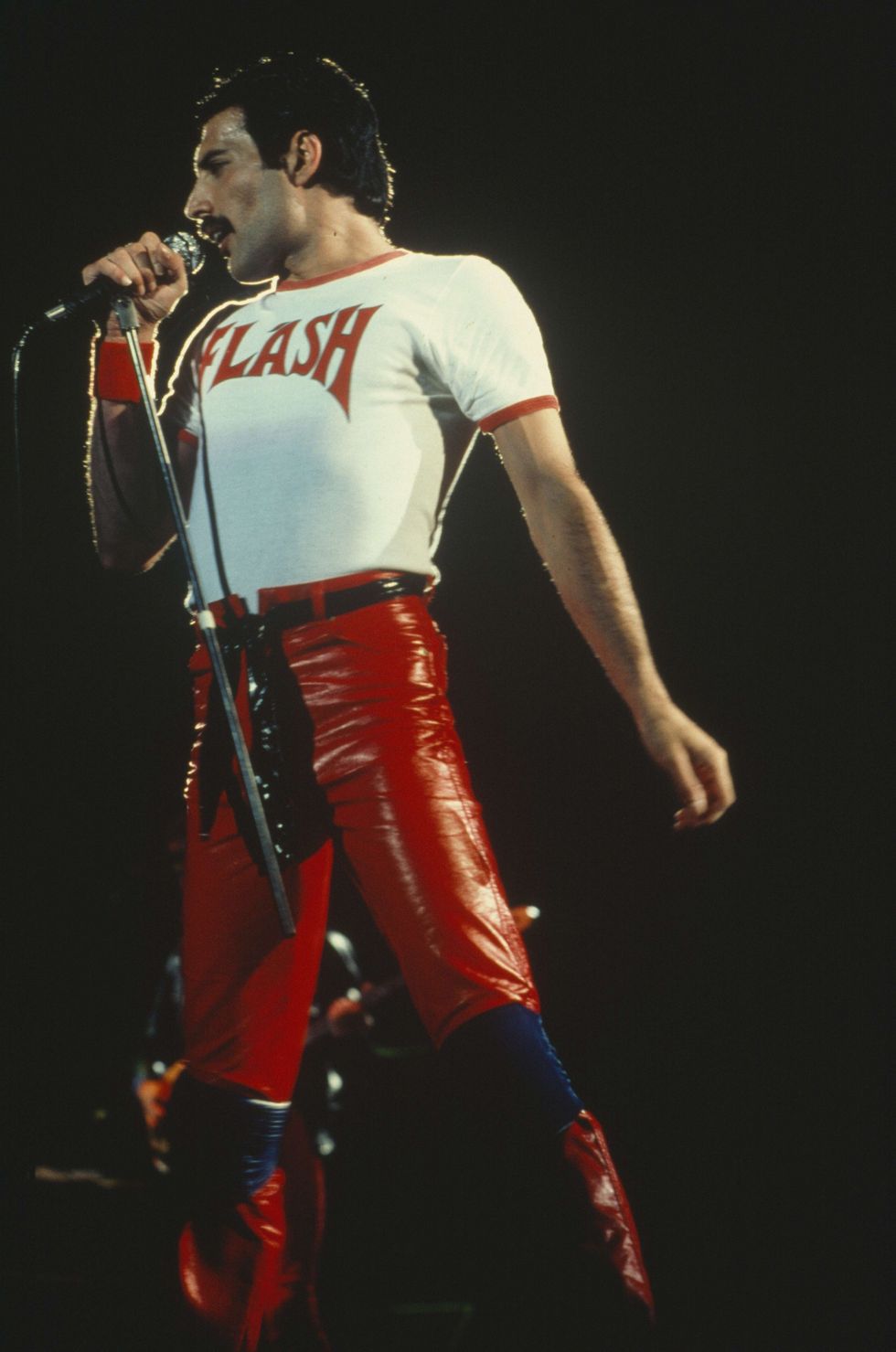 Freddie Mercury performs wearing a 'Flash' t-shirt at Sports Arena in San Diego, California, United States, on 5th July 1980David TanShinko Music/Getty Images
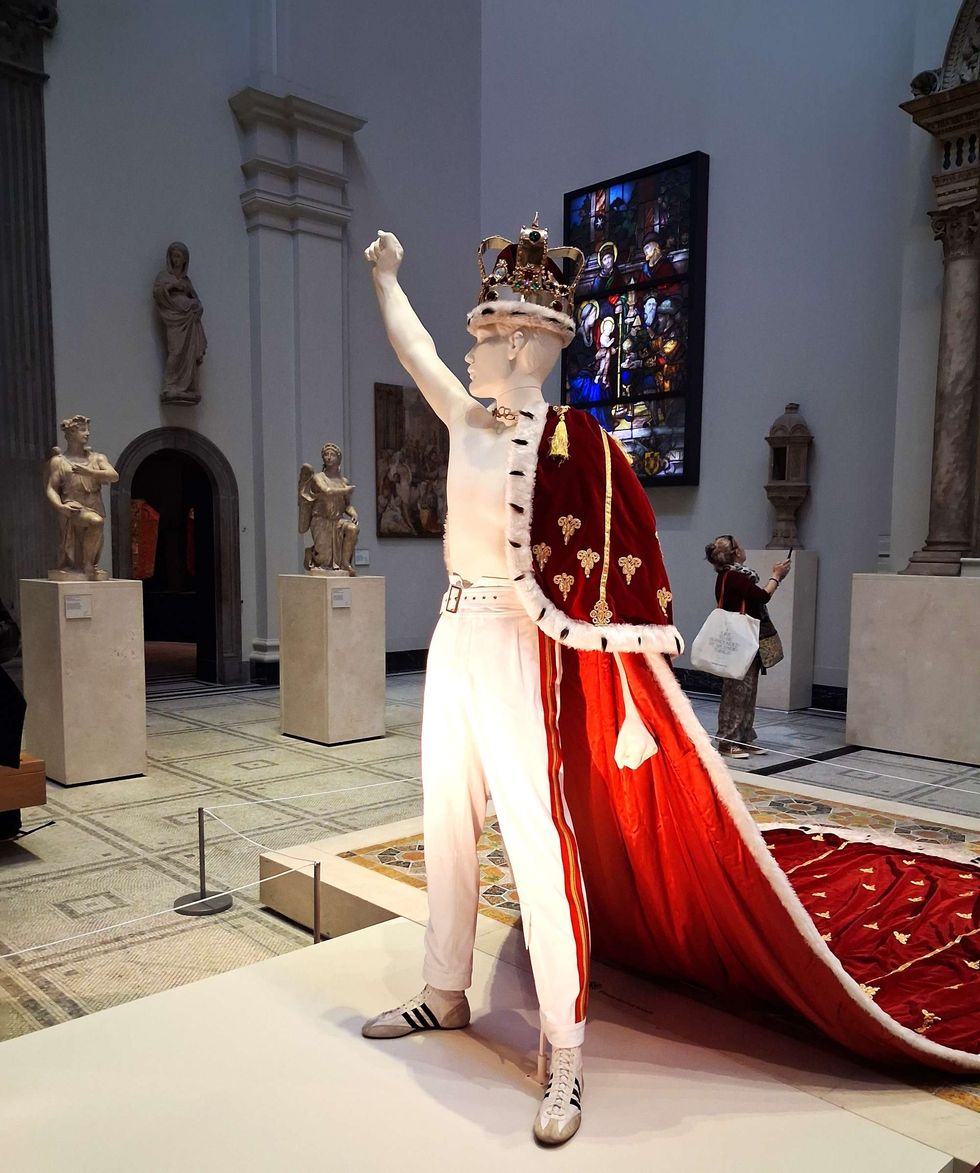 Cloal and crown ensembleAmit Roy
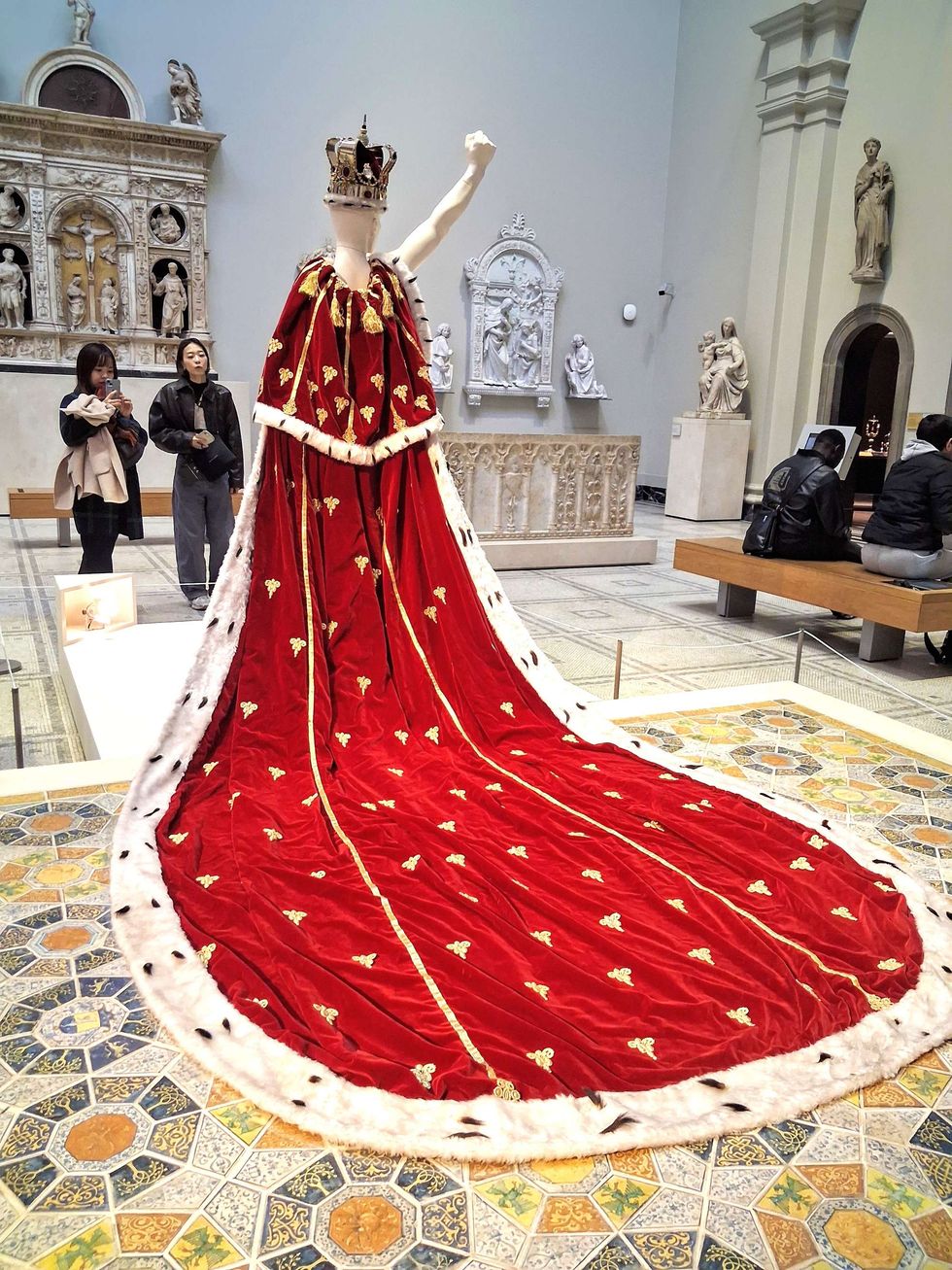 Cloak and crown ensemble (1986)Amit Roy
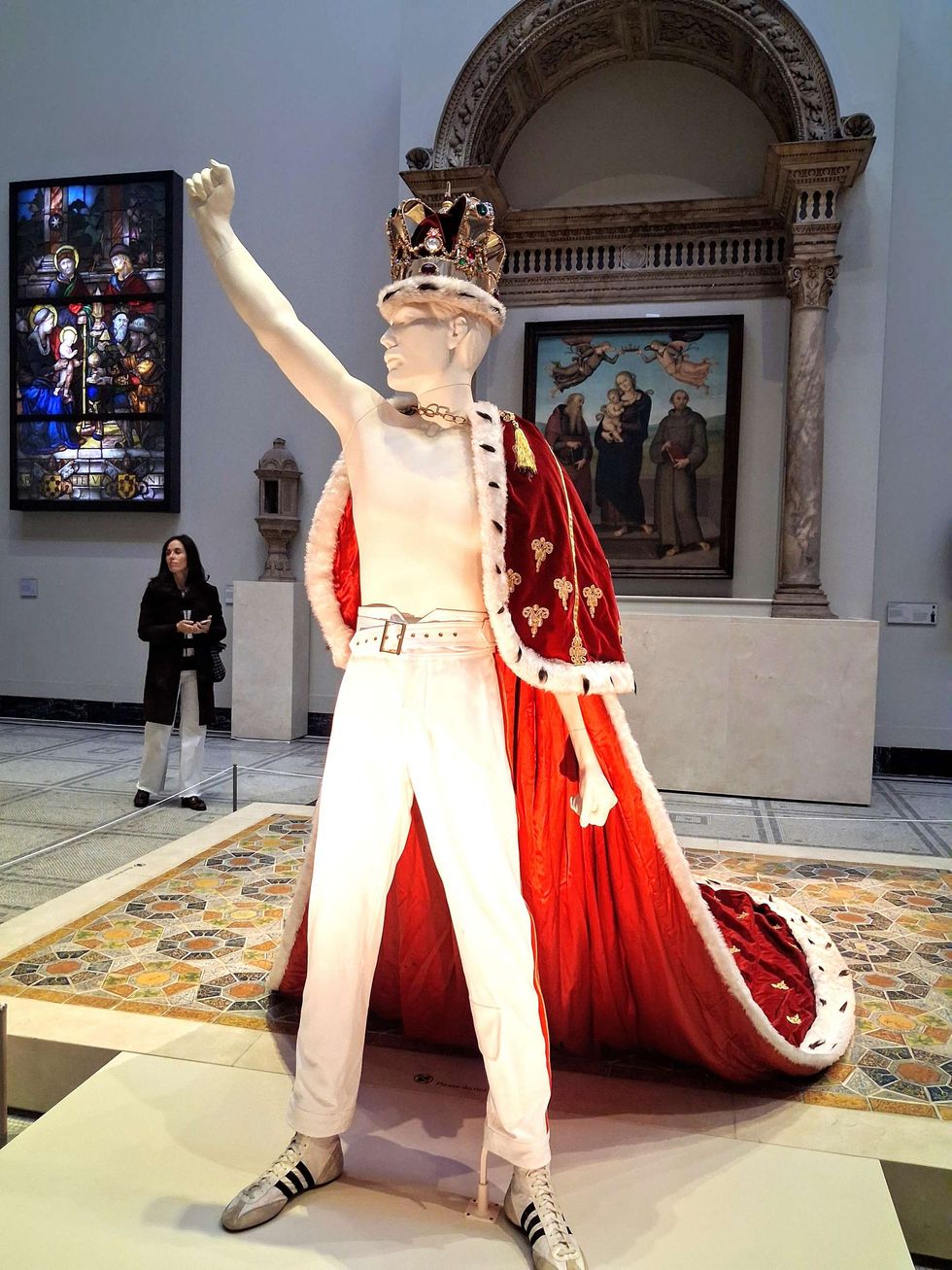 Cloak and crown ensemble (1986)Amit Roy
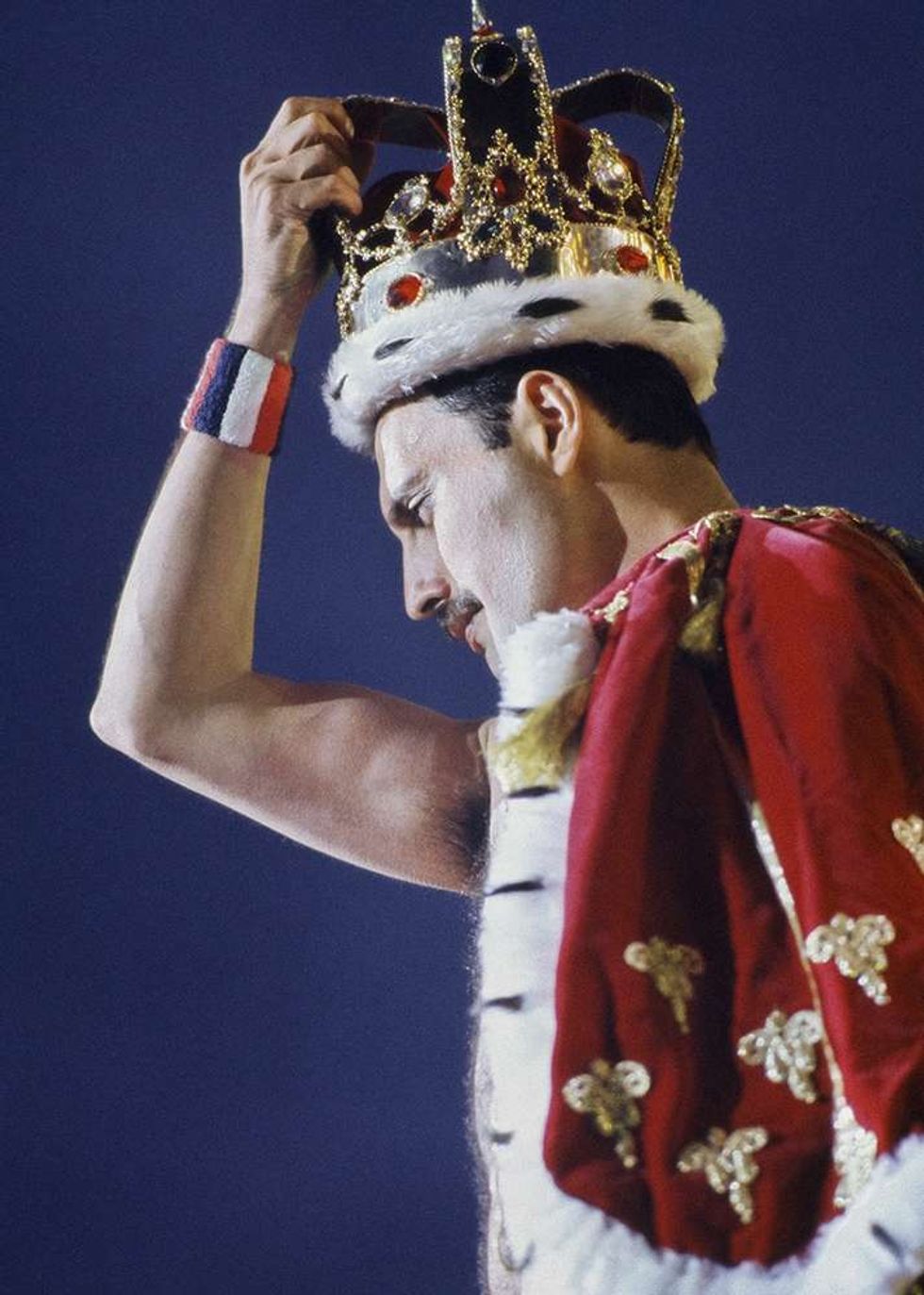 Freddie Mercury, Magic Tour (1986) Denis O’Regan