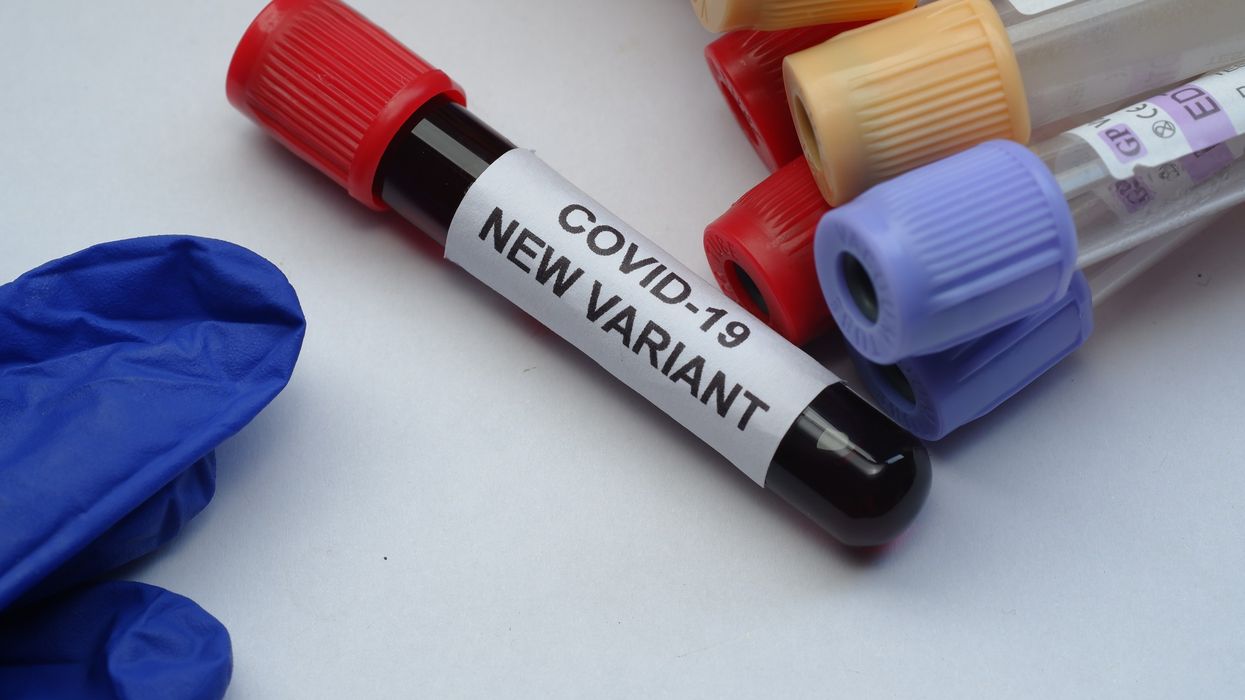

A new highly transmissible Covid variant, known as ‘Nimbus’, is raising concerns among health experts as cases rise sharply in parts of Asia and begin to appear in the UK. Official data shows that the strain, which has been labelled N.B.1.8.1, could drive a summer wave of infections due to its increased contagiousness and potential to evade immunity from earlier vaccinations or infections.
Cases detected in the UK
According to the UK Health Security Agency (UKHSA), 13 confirmed cases of the variant have already been recorded in England, and 25 British samples have been submitted to international databases since the end of March. However, experts say these figures likely underestimate the true spread, given the current limited Covid testing regime compared to the height of the pandemic.
UKHSA data up to 1 June reveals that 6.1 per cent of those tested for Covid were positive—the highest weekly figure for 2025. This marks a 7 per cent increase from the previous week and a 97 per cent rise compared to early March.
Rapid international spread
Nimbus, which is a descendant of the Omicron family of variants, has been linked to a spike in cases in China, Singapore, and Hong Kong. Globally, it now accounts for around 10.7 per cent of Covid infections, up from just 2.5 per cent a month earlier, according to the World Health Organisation (WHO).
The WHO has designated the variant as a ‘variant under monitoring’, which means it is being tracked for its potential impact but is not currently classified as a variant of concern.
Scientists warn of summer spike
British scientists are now warning that the new strain could fuel a rise in cases over the summer months, particularly as people become more socially active during the warmer weather.
Professor Lawrence Young, a virologist at Warwick University, said: “We are very likely to see a spike of infections over the next couple of months, possibly by later this month or in July. But it’s difficult to predict the level of this infection wave.”
He explained that population immunity from previous vaccinations or infections is likely waning, and unlike flu, Covid continues to spread in hot and humid weather. Laboratory studies also suggest that Nimbus is more efficient at infecting human cells and may have enhanced abilities to evade the immune system.
No evidence of increased severity
Despite its contagiousness, there is currently no indication that Nimbus causes more severe illness or higher mortality rates than earlier strains. However, experts caution that vulnerable groups—such as the elderly, people in care homes, and those with weakened immune systems—remain at risk of serious illness.
Data from the Office for National Statistics indicates that Covid contributed to just over 300 deaths in England during May 2025.
Symptoms and vaccine protection
The symptoms of the Nimbus variant appear to be consistent with those of previous Covid strains. These include fatigue, fever, sore throat and muscle aches.
There is currently no suggestion that the variant causes different or more severe symptoms. Moreover, scientists believe that existing Covid vaccines, reformulated to tackle Omicron and its descendants, should still offer protection against Nimbus.
UKHSA data shows that people who received a Covid booster last spring were 45 per cent less likely to require hospital treatment compared to those who remained unvaccinated.
Who is eligible for the vaccine?
In the UK, free Covid vaccinations are currently being offered to:
- Adults over the age of 75
- Residents and staff in care homes
- Individuals with weakened immune systems
The UKHSA has urged all eligible people to take up the vaccine offer to help protect themselves and others from severe illness, particularly with the rising presence of the Nimbus strain.
Officials closely monitoring situation
Dr Gayatri Amirthalingam, deputy director at UKHSA, confirmed that the agency is closely tracking the spread of the N.B.1.8.1 variant both domestically and internationally.
“UKHSA is monitoring all available data relating to SARS-CoV-2 variants in the UK and abroad, and we continue to publish our findings in our regular Flu and Covid-19 surveillance reports,” she said.
“NB.1.8.1 has been detected in small numbers in the UK to date, but international data suggests that it is growing as a proportion of all Covid-19 cases.”
As the summer approaches, experts are reminding the public that even though the pandemic is no longer dominating daily life, Covid continues to evolve. The emergence of Nimbus underscores the need for vigilance, particularly among those at higher risk.