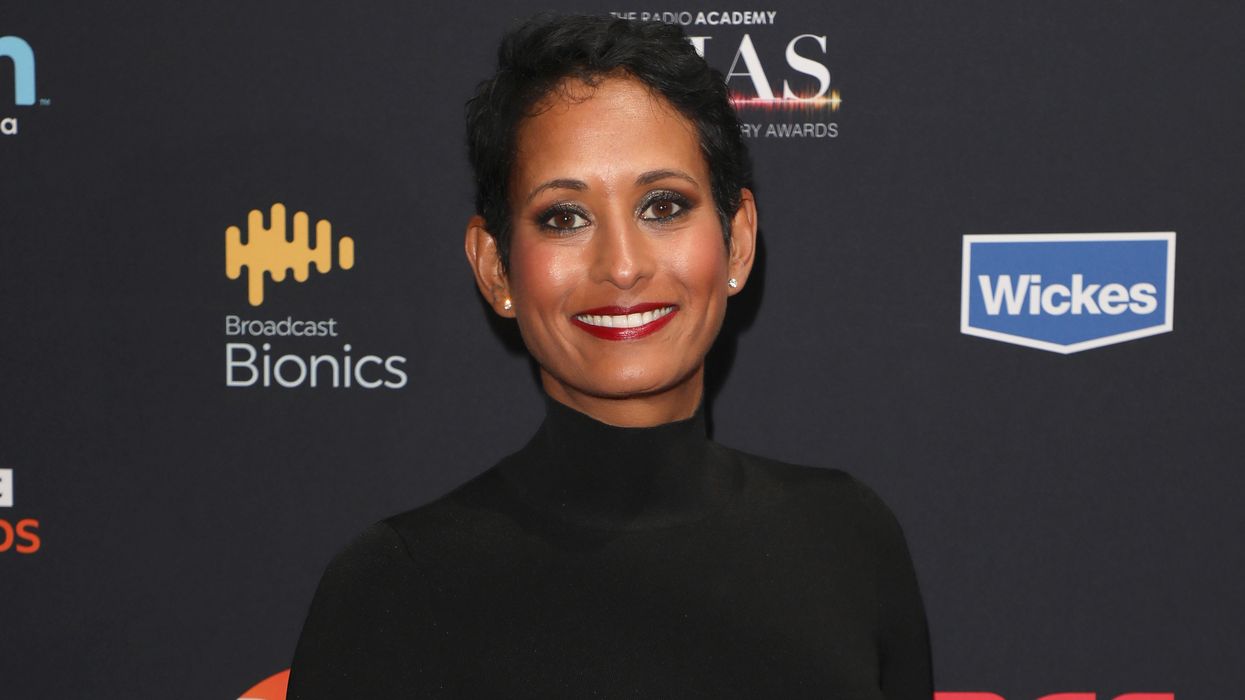

BBC Breakfast presenter Naga Munchetty has expressed her shock and frustration after discovering that her name and image were being used in online scams. In a personal account published on the BBC website, Munchetty described how fake advertisements featuring manipulated images of her were circulating on social media platforms like Facebook and X. These ads included crude photoshopped pictures of her face on someone else’s body, alongside links to fraudulent websites.
Munchetty said she was “mortified and bemused” by the ads, which were designed to trick people into clicking on fake news articles. These articles falsely claimed she had been detained by the government after revealing a “lucrative loophole” to make money during an interview on ITV’s This Morning. The fake articles used the BBC’s logo and branding to appear legitimate, but they were part of a scam to lure people into investing in a fraudulent cyber trading platform.
The BBC presenter explained that she and her 5 Live production team investigated the issue and discovered that her image was being used to exploit vulnerable people. She expressed concern about the impact of such scams, particularly on those who might be deceived into handing over money or personal information. “It’s extraordinarily offensive and worrying,” Munchetty said, adding that she felt “humiliated” by the experience.
However, Munchetty is not the first public figure to be targeted in this way. Fellow BBC presenter Martin Lewis has previously spoken out about his image being used in cryptocurrency scams, while wildlife TV host Chris Packham has also faced similar issues. Packham told that scammers had even created fake accounts on the social media platform Bluesky, using his name to solicit donations for a non-existent conservation fund.
The BBC’s legal team was able to take down the fraudulent website using copyright laws, but Munchetty warned that such scams are likely to resurface. She also noted that getting ads removed from X has become more challenging since the platform changed ownership. Meta, the parent company of Facebook and Instagram, stated that it removes impersonation content when found and continues to invest in technology to combat scams.
Munchetty strongly urged the public to remain vigilant and not believe everything they see online. “My main motivation for speaking out is to try to stop anyone from handing over money or personal information to these scammers,” she said. By raising awareness, she hopes to make it harder for criminals to profit from these deceptive schemes.


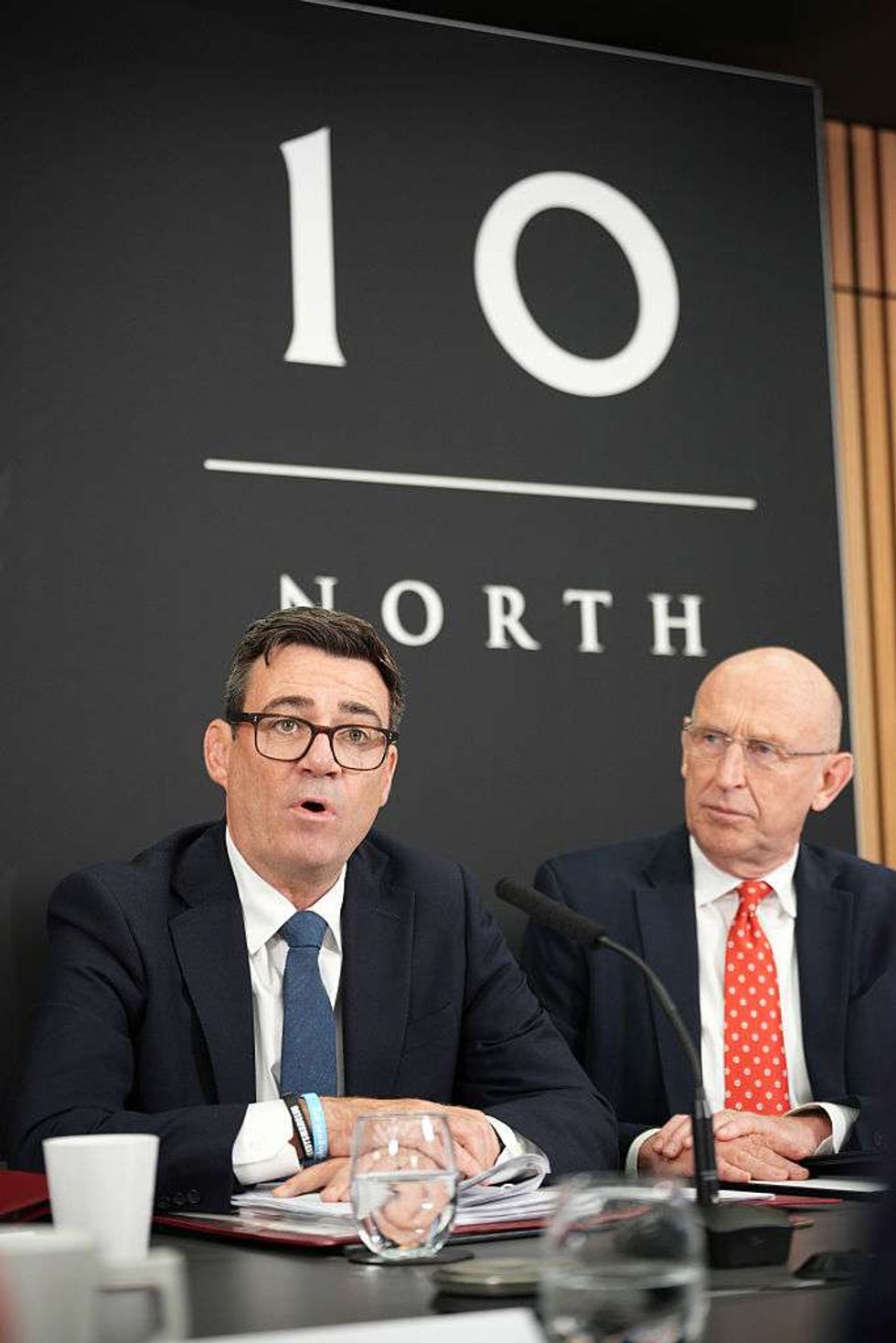 Andy Burnham sits next to chancellor John Healey (R) as he holds a National Economic Council meeting at No 10 North at Heron House on July 24, 2026 in Manchester, England. (Photo by Christopher Furlong/Getty Images)