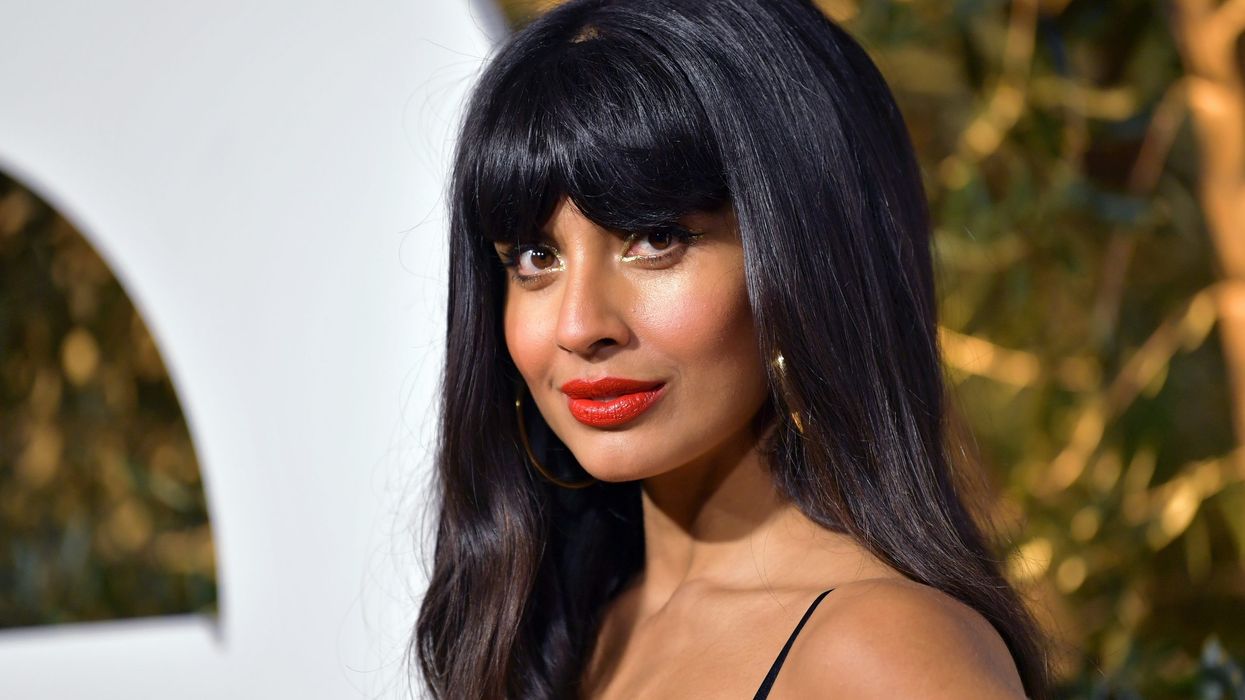

Actress and activist Jameela Jamil is known for calling a spade a spade. Her candour and candidness make her an interviewer’s delight. She is currently speaking to several leading international publications about one of the most shamed experiences in America: periods.
Jamil, in honour of Menstrual Hygiene Day, is partnering with P&G's Always to help end period poverty, and support Congresswoman Grace Meng's Menstrual Equity For All Act.
Talking about the same, she shared a video on her Instagram handle in which she said, “I was shocked to learn approximately 3.5 million girls have missed school HERE in the U.S. due to a lack of access to period products*. That is far too many. When people don’t have access to period products, not only do they not feel protected, but it also puts their confidence, dignity, and education at risk.”
She added, “I am proud to partner with @Always_brand and support their mission to help #EndPeriodPoverty and help young people stay school. As part of this, we’ll be donating 1 million pads to my chosen period hero – @feedingamerica. But product donations are not enough. Period poverty is a difficult cycle to break because it is a systemic issue. That’s why I recently joined Always in Washington D.C. to encourage policymakers to support the Menstrual Equity for All Act – which would help systemically end period poverty in the U.S. by ensuring all young people have access to free period products at school so that no one would have to miss out because of their period. You can do your part by calling your local representative to support the bill. Click the link in my bio to find out how. Together, we can help drive societal change.”
Talking about her own period struggles, The Good Place star told a publication, “I feel as though my whole life is a period shame story. My school did not talk about periods at all. And when they talked about sex, it was all kind of just condom on a banana.”
She added that as a teenager, she felt “mostly alone” when it came to her menstrual cycle as girls at school did not talk about theirs. It all just felt like everyone was in kind of group denial that this thing was happening to them, it was changing the way that they felt, changing their mood, changing how they felt about themselves, changing their emotions, Jamil said.
Access to affordable period products is also a basic human need. Jamil is surprised that period poverty is endemic in the United States. “This is happening in one of the wealthiest countries in the world — that is petrifying,” she told another publication.
“If men even had nosebleeds every single month, we would have free nose plugs available on every single street corner. I really mean that,” she added.