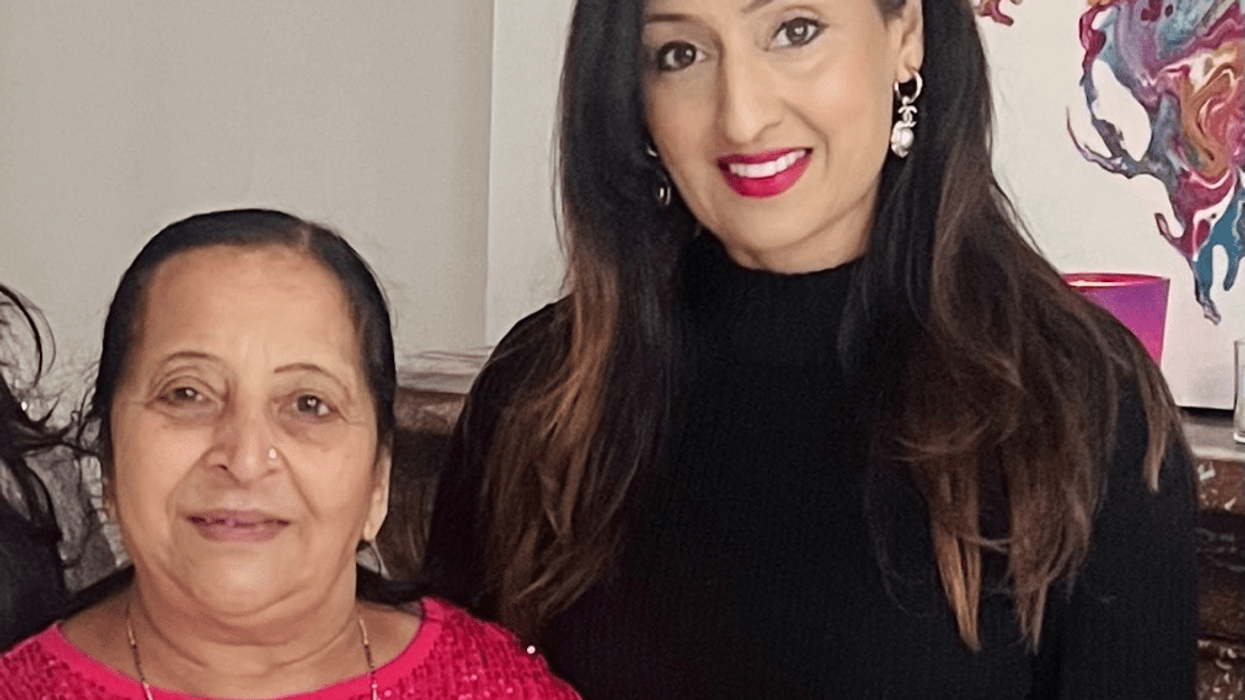

MOTHERS make a major impact on their children, and it is no different for Eastern Eye columnists Mita Mistry, Priya Mulji and Neelam Mistry-Thaker. In a special Mother’s Day tribute, the three writers shared how they were inspired by their own mother.
Mita Mistry
I am so grateful to my mother (Hemlata Mistry) for loving me unconditionally. Words cannot really describe how important she is to me. She is my queen. I admire so many qualities in her, including calmness and patience in everything she does,
From looking after us all to handling life's challenges. I love her strength, kindness, let-it-be attitude, and sense of humour. When meeting my now husband James for the first time, she gave him a whole chilli to eat. She has always taught me to never force things to happen because sooner or later it will work out, and just to keep going as best I can. From a young age, she encouraged me to be honest, work hard, and never give up, and how the rest will fall into place. Thank you for being you, I so proud to have you as my mother. I love you.
Priya Mulji
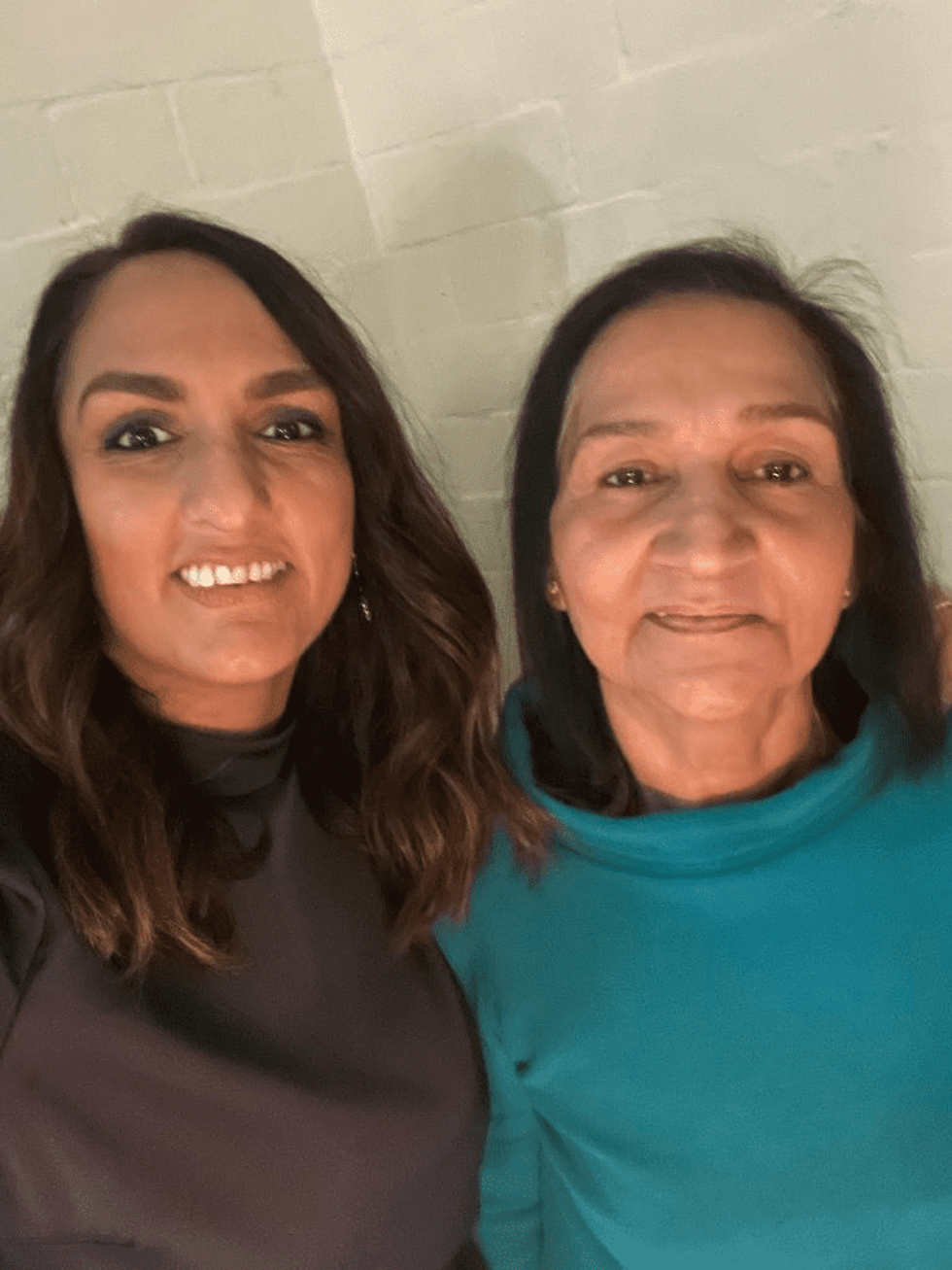 Priya Mulji and Ranjana
My mother (Ranjana Mulji) is my best friend and has always been a source of strength. That in turn has made me stronger and enabled me to face any challenges in life. She has always taught me not to rely on anyone and be as independent as possible. From being able to cook and clean to buying yourself flowers on Valentine’s Day, my mum is the one that taught me to stand on my own two feet. She empowers all those around her, unconditionally, which is so beautiful, just like her. That has helped me become the independent woman I am today, and I am so grateful for that. Also, my mum makes the best vegetarian, Gujarati food in the world - fact! I love you mum.
Neelam Mistry-Thaker
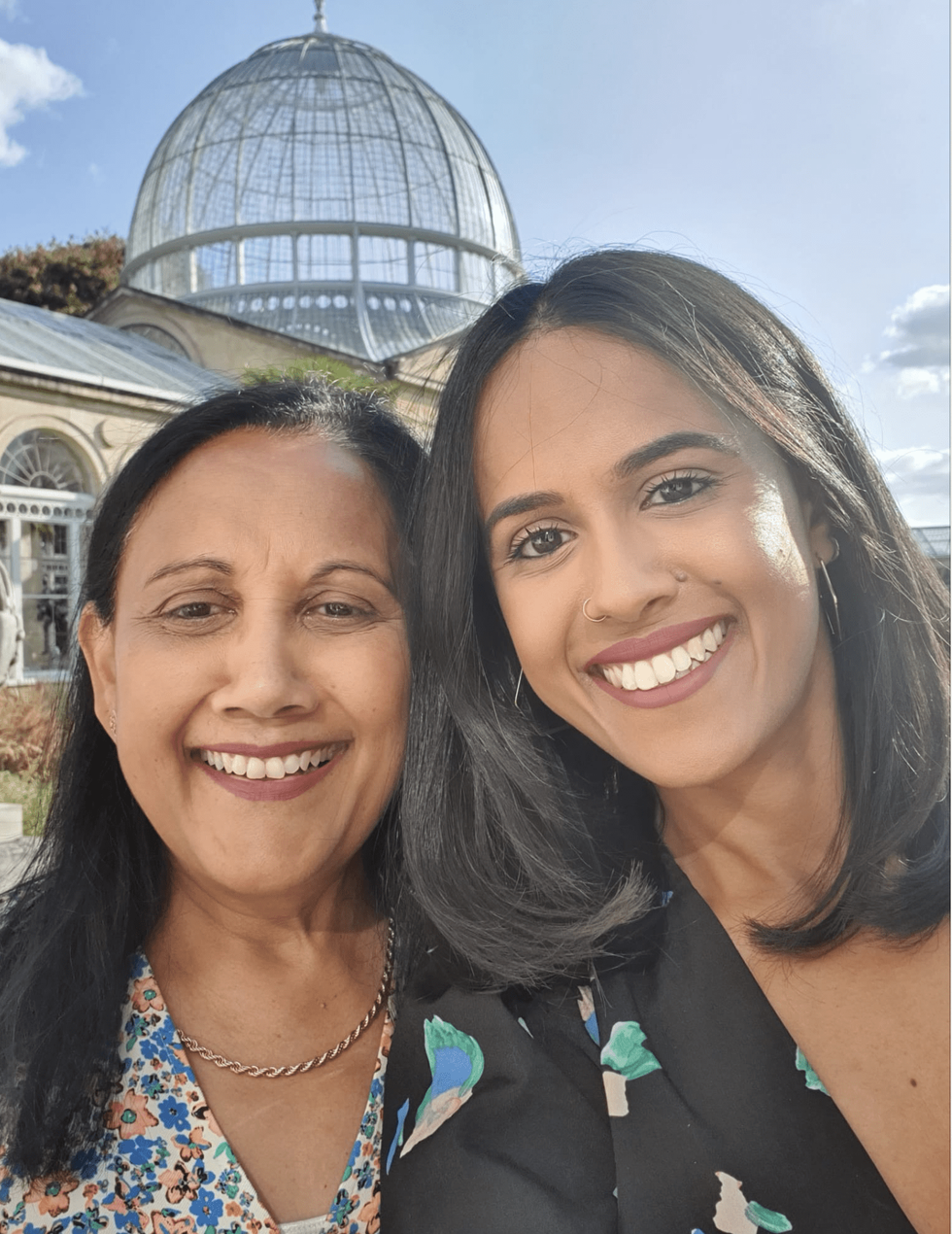 Neelam Mistry-Thaker and Urmila
My mum (Urmila Mistry) has always taught me to have faith and be resilient. Having faith, whether that be in a higher being, the universe, or something greater has been a practice my mum has instilled in me. Growing up I often saw her turn to her faith for any reassurance, support, and guidance she needed. Over the last few years in my own times of joy and hardship I’ve learnt from my mum that belief and faith in something greater than me will give me everything I need. I have created my own practice, heavily influenced by my mother to keep me grounded and reassured that everything will be okay. Life may throw you a curveball and it’s how we deal with this and bounce back that really shapes who you are. My mum has given me the biggest support and guidance I have needed, and I’ll forever be grateful. I love you mum.




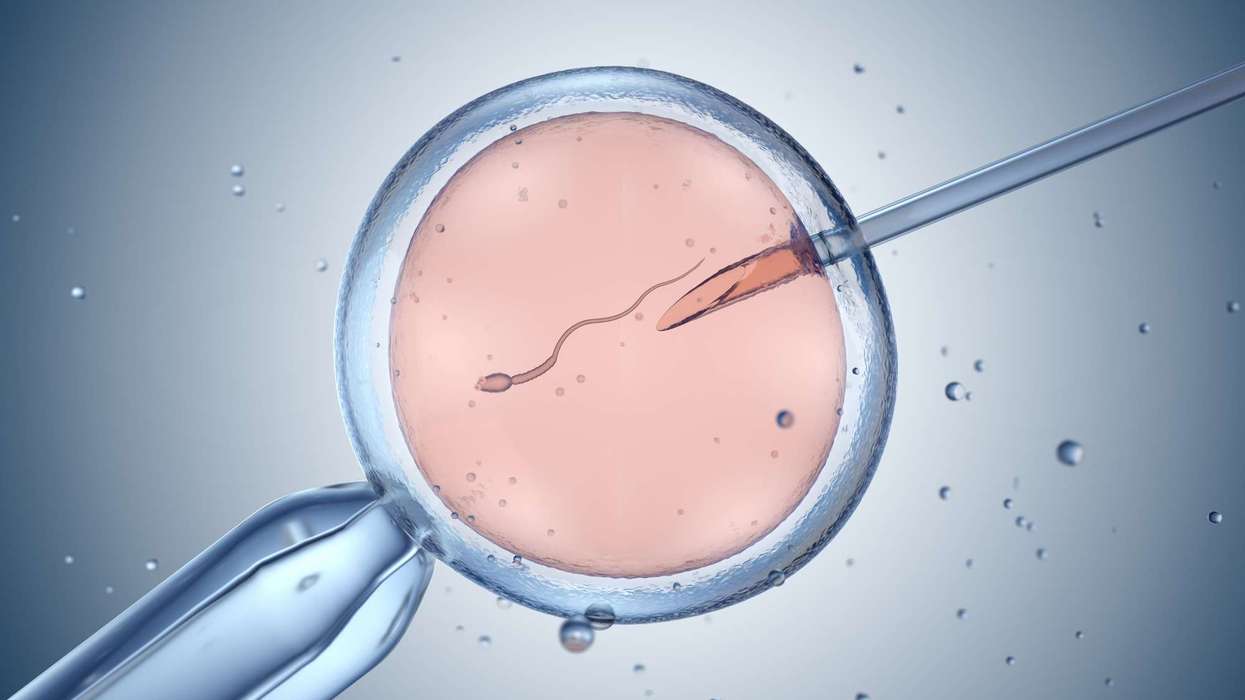
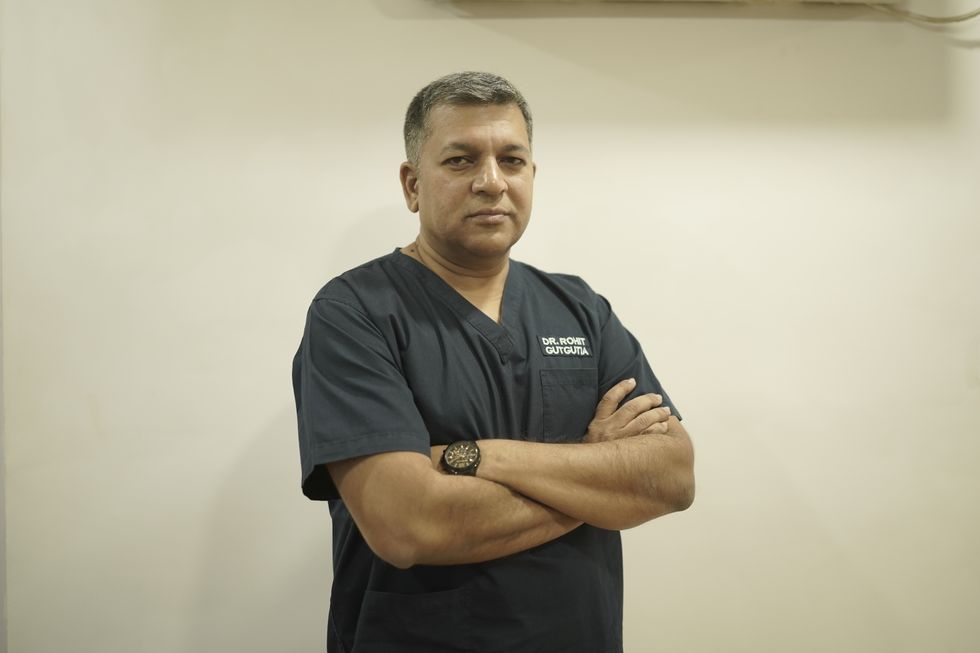 Dr Rohit Gutgutia is a fertility and IVF specialist with more than two decades of experience in reproductive medicine. He holds an MBBS and DGO in Gynaecology and Obstetrics and trained in advanced IVF in Israel in 2005.