
Highlights:
- MCA joins King Charles III's Sustainable Markets Initiative as an affiliate.
- The association is exploring a plastic-free cricket match in 2027.
- Earthshot Prize winner Notpla will support efforts to replace single-use plastics.
- Notpla showcased seaweed-based packaging at Wankhede Stadium.
- SMI unveiled its Sport Sustainability Playbook for clubs, venues and sponsors.
The Mumbai Cricket Association (MCA) has joined the Sustainable Markets Initiative (SMI), founded by King Charles III in 2020 when he was Prince of Wales, as an affiliate, marking a new step towards promoting sustainability in Indian cricket.
The association has also announced ambitions to hold a plastic-free cricket match in 2027, exploring alternatives to conventional single-use plastics in partnership with Notpla, the 2022 Earthshot Prize winner known for its seaweed-based packaging solutions.
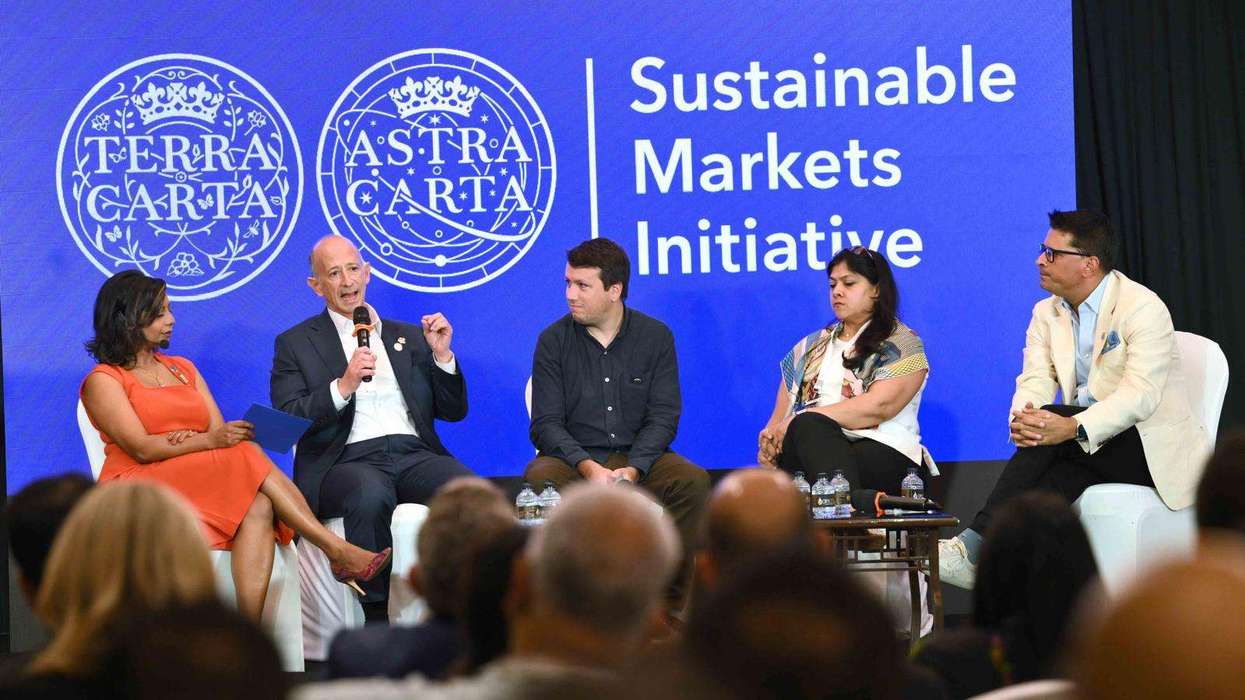
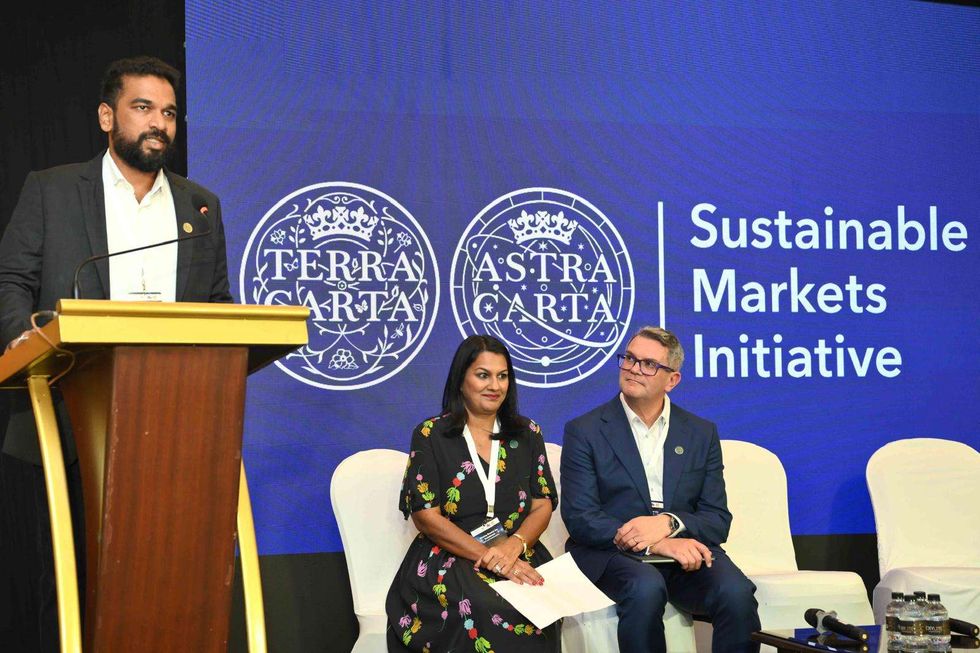
The announcements were made at Wankhede Stadium in Mumbai on 18 November during an event titled Winning Beyond the Scoreboard: Sport & Sustainability. The event was convened by the SMI alongside Marylebone Cricket Club (MCC), the MCA and EY, bringing together representatives from sport, business and sustainability.
 Google
As part of the event, attendees were served ice cream in Notpla's seaweed-based compostable packaging, offering a demonstration of how sustainable alternatives could be introduced into everyday matchday experiences. According to the organisers, the packaging produces 79 per cent lower carbon dioxide equivalent emissions than plastic alternatives.
Founded at Imperial College London and the Royal College of Art, Notpla develops plastic-free packaging solutions using seaweed and other natural materials. The company won the Earthshot Prize in 2022 and was also a finalist in the inaugural Terra Carta Design Lab. Its packaging products are already being used in high-volume food service, events and retail environments.
The MCA's proposed 2027 initiative reflects growing efforts to use the reach and commercial influence of sporting institutions to encourage sustainable practices among businesses and consumers.
Ajinkya Naik, president of the Mumbai Cricket Association, said: “Cricket has an extraordinary ability to bring people together, and with that influence comes an opportunity to lead by example. Our affiliation with the Sustainable Markets Initiative marks an important step in our ambition to make sustainability an integral part of the future of cricket.
“Working with innovators like Notpla, we want to demonstrate that even relatively small changes, such as replacing single-use plastics at matches, can make a meaningful difference when delivered at scale”.
The event also featured the first preview of the SMI's new Sport Sustainability Playbook, a practical guide designed to help sports clubs, venues, governing bodies, sponsors and event organisers incorporate sustainability into their operations and decision-making.
The playbook includes real-world examples and practical approaches to encourage sustainable solutions, influence consumer behaviour and create opportunities for sustainable growth.
Discussions at Wankhede Stadium focused on how collaboration between the sports and business sectors could help scale up sustainability initiatives, including sustainable infrastructure, alternative materials, clean energy and reducing the environmental impact of sporting events.
A panel discussion featured Pierre Paslier, co-founder and co-CEO of Notpla; Rob Lawson, CEO of MCC; Vaishali Nigam Sinha, co-founder and president of ReNew; and Anand Verma, founder and CEO of Expect AI. Former Indian international cricketer Dinesh Karthik also took part in a fireside conversation on how athletes and sporting institutions can influence positive change and engage fans.
Jennifer Jordan-Saifi, MVO, president and global envoy of the Sustainable Markets Initiative, welcomed the MCA's affiliation, saying cricket had the ability to inspire and influence people across generations and geographies.
She said the sport's global reach, combined with private-sector innovation and investment, could accelerate the adoption of sustainable solutions. She also described the Sport Sustainability Playbook as an important step towards making sustainability part of sporting operations.
Founded by King Charles III, the Sustainable Markets Initiative brings together private-sector leaders and organisations to accelerate the transition towards sustainable business practices. Its Sport Pathfinder programme works with financial institutions, sponsors, brands, athletes, sports bodies and media organisations to encourage sustainability across global sporting ecosystems.