
Skip to content
Search

Latest Stories

Submit Guest Post

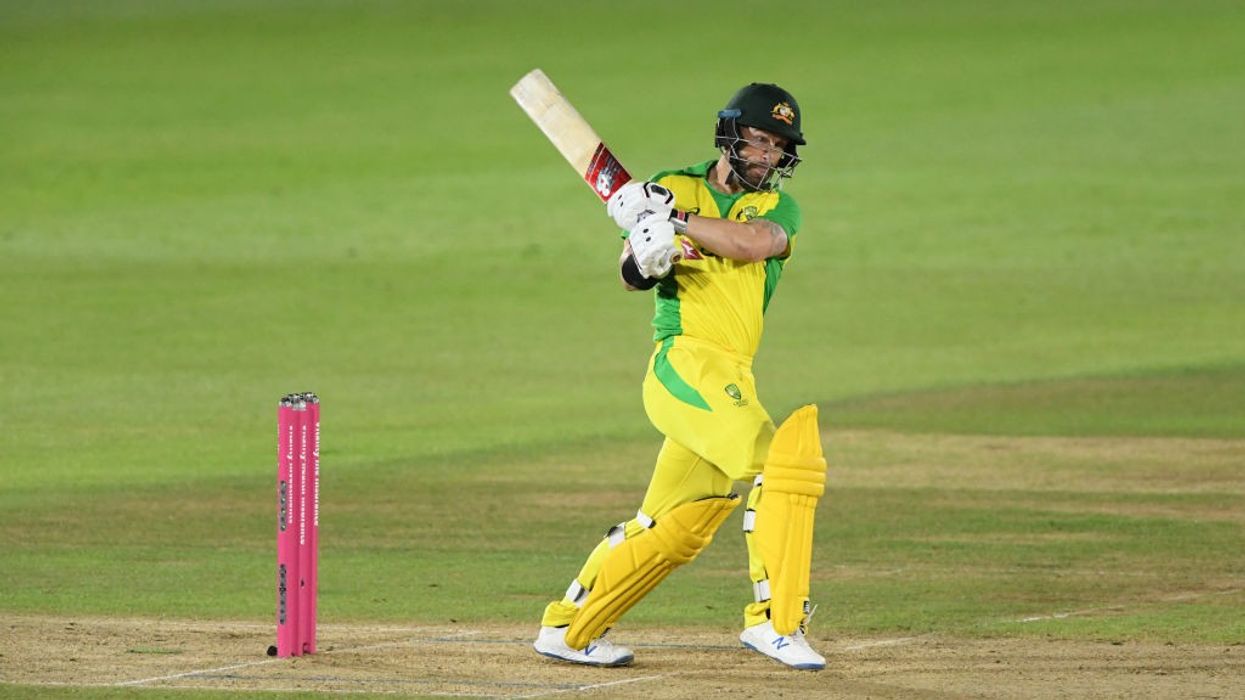
Matthew Wade to lead Australia against Bangladesh

Matthew Wade to lead Australia against Bangladesh

AUSTRALIA on Monday (2) named wicketkeeper-batsman Matthew Wade as the captain for the five-match Twenty20 series against Bangladesh in the absence of the injured Aaron Finch.

Finch aggravated a knee injury in the lead-up to the recent T20 series in the West Indies that Australia lost 4-1, and did not travel to Bangladesh.


Wade led Australia against India in December when Finch was injured. He has also captained Victoria, Tasmania and the Hobart Hurricanes.

He said he was optimistic after Australia recovered from the T20 drubbing to beat the West Indies 2-1 in the one-day international series.

"We haven't changed focus too much, coming with not a lot of cricket probably took us a few games to get going against West Indies. I am expecting good results over here," Wade told reporters on Monday (2).

"We've got good leaders in the group and experienced bowlers as well so probably where my leadership will come in a bit more is with our batting group."

Wade will lead a depleted side that is missing Steve Smith, David Warner and Glenn Maxwell.

Australia will also be without fast bowler Riley Meredith, who suffered a side strain and was ruled out of the series.

Young Tasmanian paceman Nathan Ellis has been brought into the squad.

Batsman Ben McDermott, however, has recovered from the ankle injury he suffered having crashed into sideline advertising boards in Barbados.

Australia will play five T20s against Bangladesh at Dhaka's Sher-e-Bangla national stadium starting on Tuesday (3) behind closed doors.

Bangladesh have never won a T20 match against Australia.

Add EasternEye As Your Trusted Source
preferred source on google news

More For You

Tackling hostility against Muslims matters for everyone

Anti immigration protesters attend the 'Glasgow Reclaims The Streets From Far-right Hatred And Violence' anti-racism protest on June 13, 2026 in Glasgow, Scotland.

Getty Images

Tackling hostility against Muslims matters for everyone

Sunder Katwala

Born in the mid-1970s I felt part of a lucky generation, which gained from pushing back the overt racism of that era. When we talk about stronger “social norms”, what we mean is that few people thought that monkey chants at the football or racist jokes on the telly were normal anymore – while more had Asian and black colleagues, neighbours and friends.

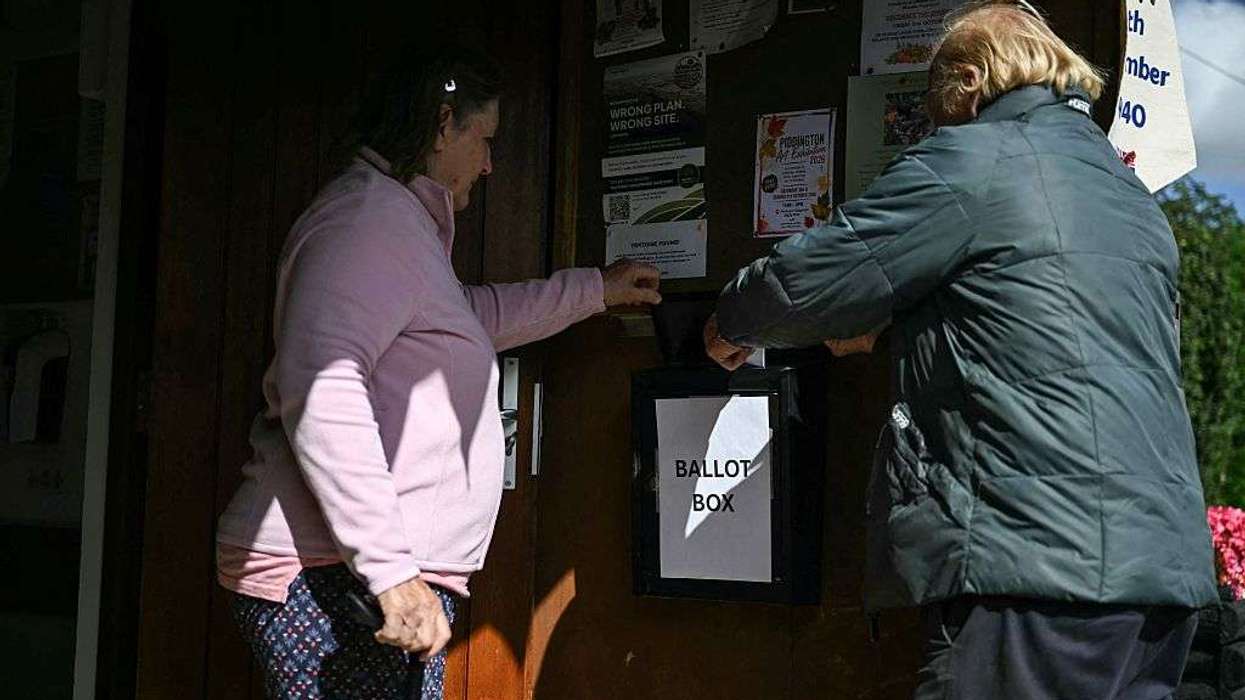
That past progress is put to the test today. A terrible crime in Belfast saw organised efforts at indiscriminate racist attacks on migrants and ethnic minorities, whose only connection to the crime was the colour of their skin. Those seeking to make racism fashionable again have the online megaphone of the world’s richest man, Elon Musk, on their side.

Past progress could be experienced unevenly, too. Being of mixed Indian and Irish Catholic parentage, I saw both identities rise in status once the BBC comedy Goodness Gracious Me inverted who could tell the jokes, and peace broke out in Northern Ireland. Yet, British Muslims of my generation felt under more intense scrutiny after the 9/11 terrorist attacks.

Efforts to tackle anti-Muslim hatred risked being stalled by arguments over what to call it and how to define it. The government’s new definition of anti-Muslim hostility seeks to transcend the confusion that the term “Islamophobia” could generate. But the challenge is not just to define the prejudice – but to find effective ways to shrink it.

There are sobering findings on the starting points in new research from British Future and the British Muslim Trust. More than half of British Muslims report experiencing prejudice based on their religion last year – a quarter in person and over a third online. A third of the public hold mostly negative views. One in six endorse sweeping and often indiscriminate hostility. Anti-Muslim hostility can have about twice the social reach as prejudice against other faith or ethnic minorities.

Tackling this hostility cannot be the responsibility of Muslims alone. It will take a whole-of-society effort. After all, this is foundationally about the attitudes towards a six per cent minority group, held among the 94 per cent of us who are not Muslim.

Keep ReadingShow less