
Highlights
- Designer makes his official Paris Haute Couture Week debut with Fall/Winter 2026 collection Maa.
- Collection pays tribute to his late mother, Sudarshan Malhotra, through Indian craftsmanship and personal memories.
- Malhotra becomes the fourth Indian designer on the official Paris Haute Couture calendar this season.
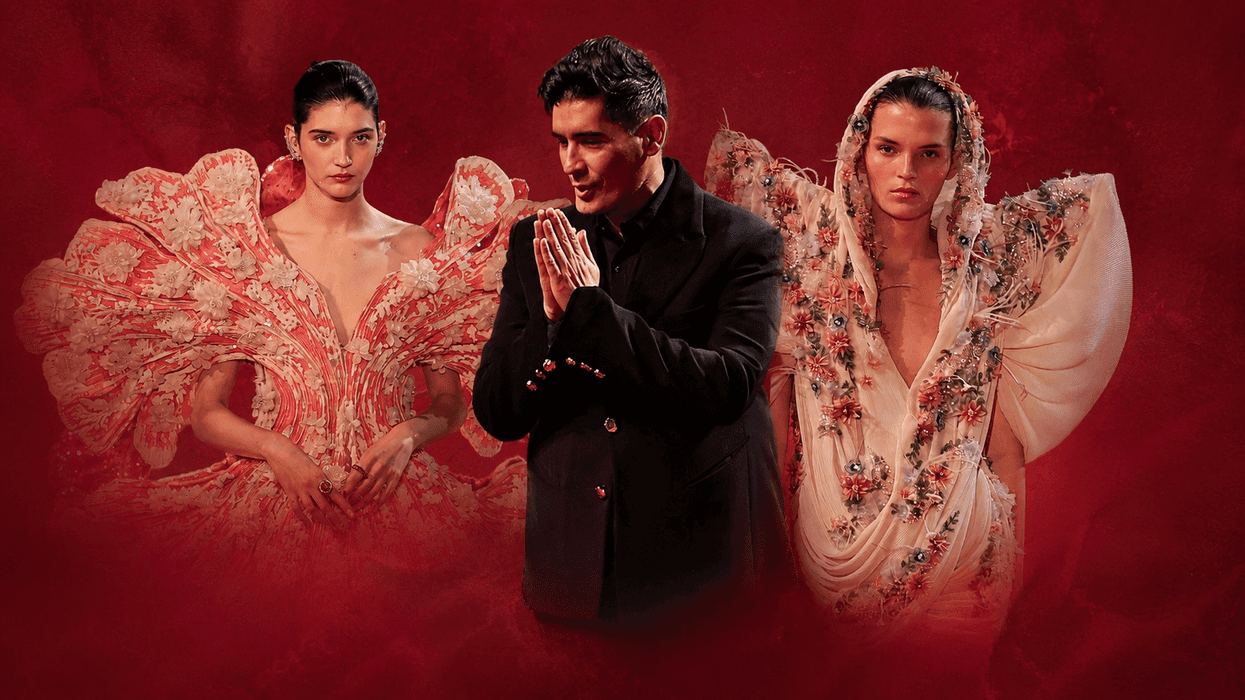
Manish Malhotra reached a new milestone in his four-decade career by making his official debut at Paris Haute Couture Week, presenting his Fall/Winter 2026 collection, Maa, at the historic Pavillon Cambon in Paris.
The collection, unveiled on July 8, was deeply personal, honouring the designer's late mother, Sudarshan Malhotra, while celebrating Indian craftsmanship on one of fashion's most prestigious global stages.
A couture tribute to his mother
Maa was inspired by Sudarshan Malhotra, who died peacefully on March 19, 2026, at the age of 94.
In the show's official notes, Malhotra reflected on how grief shaped the collection, writing, "Her passing has transformed memory into reflection, and reflection into creation."
He also described the designs as a tribute to the "architecture of a mother's unconditional love", acknowledging the lasting influence his mother had on both his life and creative journey. According to the designer, she nurtured his fascination with cinema and textiles from an early age.
Childhood memories woven into couture
Drawing inspiration from the sarees his mother wore during the 1970s, Malhotra recreated their distinctive colours throughout the collection, blending nostalgia with contemporary couture.
The designs combined the sculptural elegance associated with French haute couture with India's rich textile traditions. Luxurious velvets, silks and brocades formed the foundation of the collection, elevated through intricate hand embroidery including zardozi, resham, sequins, pearls and precious embellishments.
The designer also introduced the latest Manish Malhotra Jewellery collection alongside the couture presentation.
Indian craftsmanship takes centre stage in Paris
The debut places Malhotra among a select group of Indian designers featured on the official Fédération de la Haute Couture et de la Mode calendar, highlighting the growing global recognition of Indian karigari.
He joins Rahul Mishra, Gaurav Gupta and Vaishali S. as the fourth Indian designer to appear on the official Paris Haute Couture calendar this season.
The presentation drew a high-profile audience, including Anna Wintour, Isha Ambani, Karan Johar and Chinese actor Fan Bingbing, underscoring the international attention surrounding Malhotra's Paris debut.


 FOSSAE LaunchEastern Eye
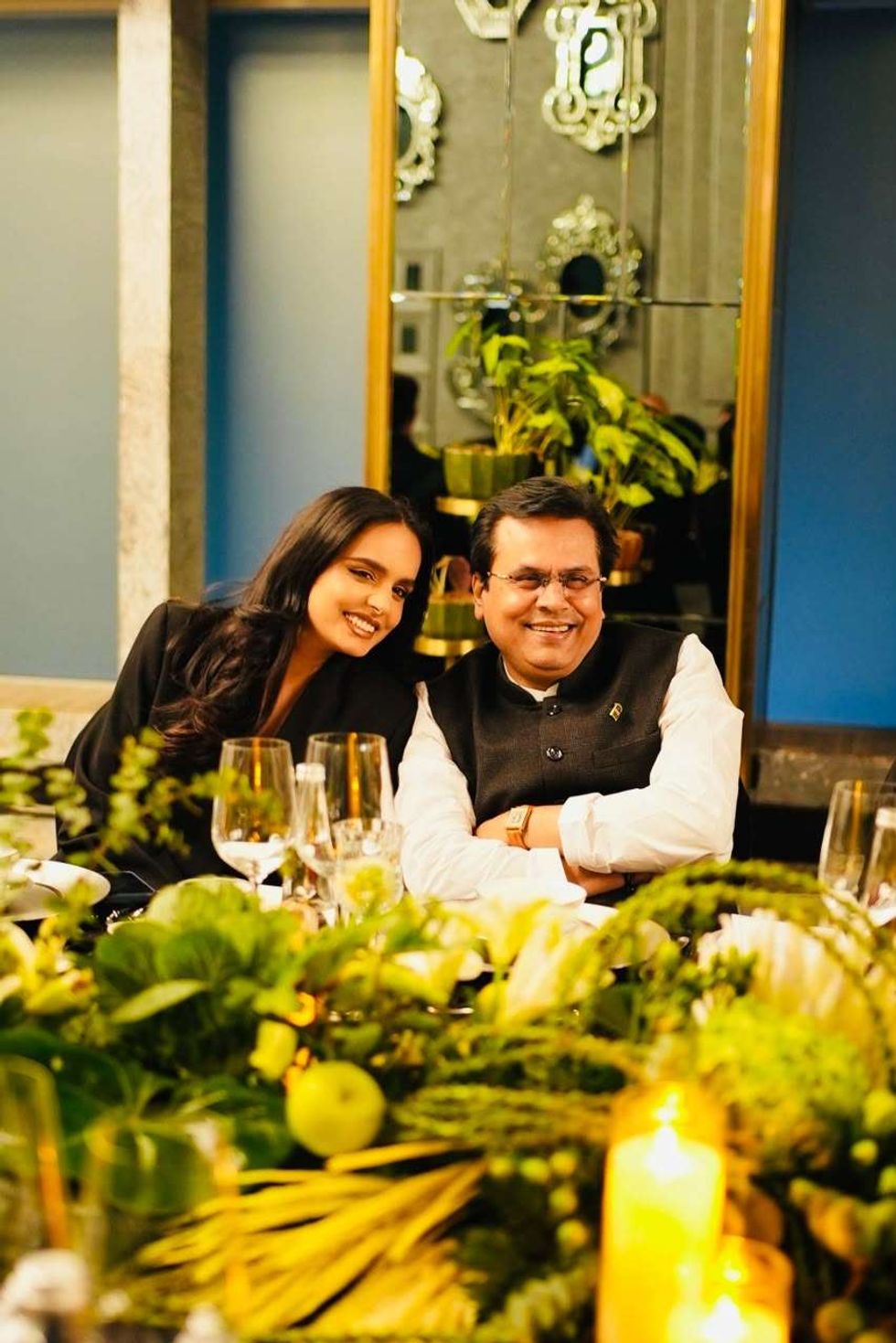 Unnati with father Rakesh K ShuklaEastern Eye
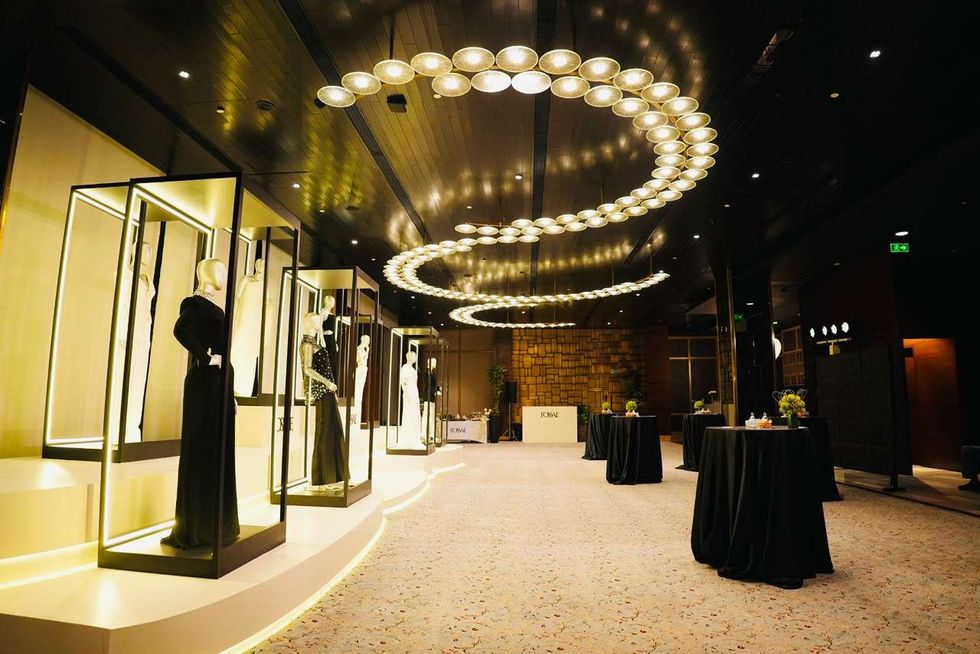 FOSSAE LaunchEastern Eye
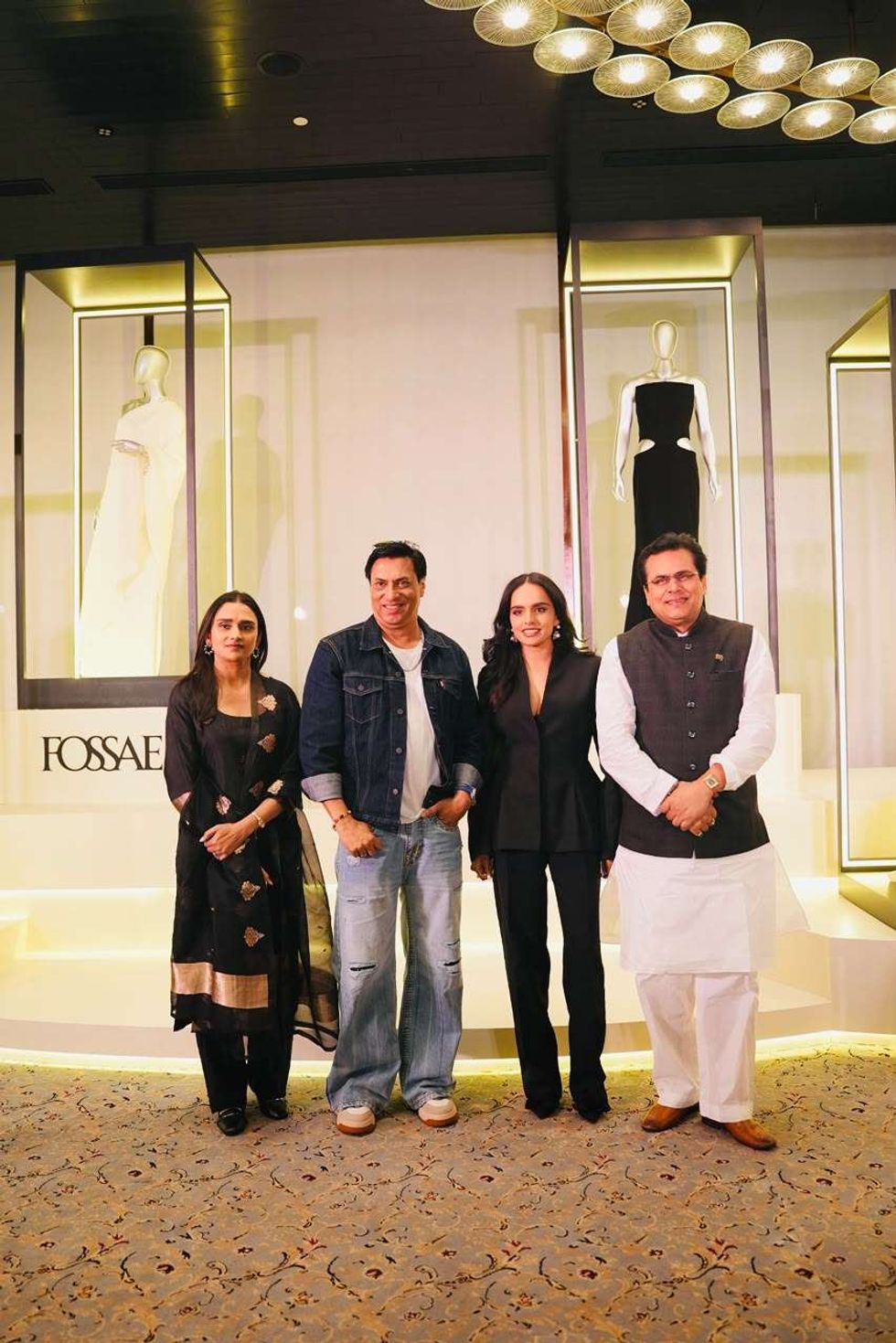 FOSSAE LaunchEastern Eye