
Highlights
- Ralph Lauren faces criticism for selling a Bandhani-inspired skirt priced at about £420
- Product described as inspired by traditional Bandhani tie-dye techniques on official website
- Social media users question lack of credit to Indian textile artisans
- Debate follows earlier controversy over jhumka-inspired runway styling
- Bandhani is an ancient Indian textile craft with roots going back thousands of years
Luxury brand faces criticism again over South Asian inspiration
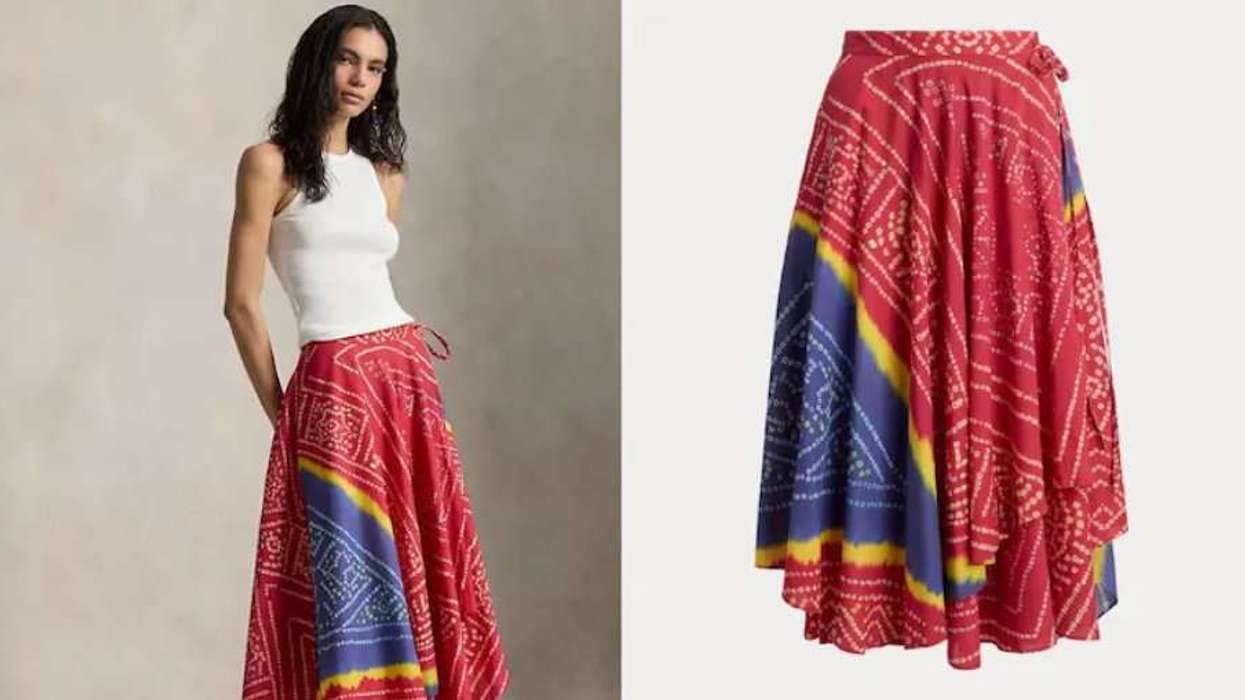
Fashion brand Ralph Lauren is under renewed scrutiny after listing a Bandhani-style wrap skirt priced at around £420 on its official website.
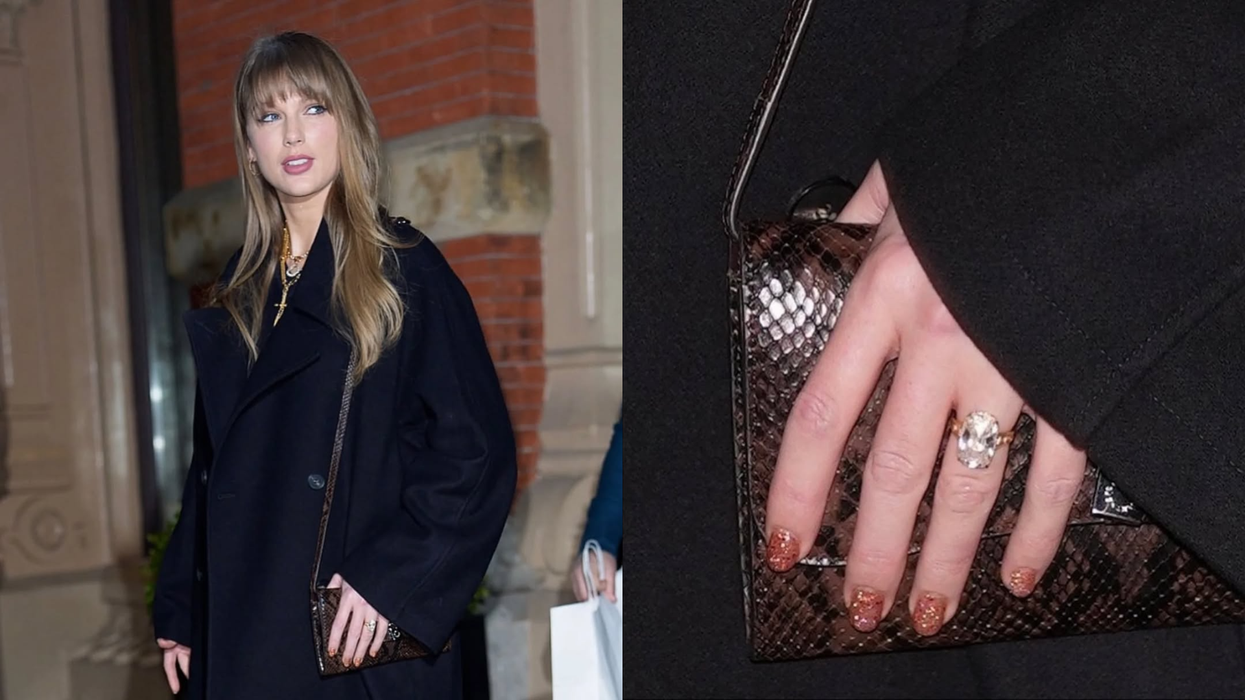
The reaction follows an earlier controversy where the brand was criticised for featuring Indian-style jhumkas on the runway without acknowledging their cultural origin.
£420 skirt draws debate online
The cotton wrap skirt is described as inspired by traditional Bandhani tie-dye techniques and motifs. It features a tied waist, A-line shape, side pockets and a printed finish.
The price point has triggered debate on social media, with users questioning both the cost and the absence of credit to Indian craftsmanship.
One user on X asked, “Why Ralph Lauren, why?” arguing that the design draws heavily from Indian textile traditions without proper acknowledgment.
Cost versus luxury pricing sparks discussion
Some social media users highlighted that Bandhani fabric in India typically costs between £2 and £5 per metre. Based on this estimate, they argued the raw material cost of the skirt would be significantly lower than its retail price.
Others defended the brand, saying luxury pricing reflects design, branding and global positioning rather than material cost alone.
The conversation reflected a wider divide between cultural inspiration and luxury fashion economics.
Bandhani: a centuries-old textile tradition
Bandhani is a traditional Indian tie-dye craft where fabric is tightly bound into small knots before being dyed to create intricate patterns.
The technique is strongly associated with Gujarat and Rajasthan and is widely used in sarees, dupattas and dress materials.
Historical references trace similar tie-dye practices back to the Indus Valley Civilisation, with early visual examples seen in 6th-century Ajanta cave paintings.
Today, Bandhani continues to be produced in regions such as Jaipur, Udaipur, Rajkot and Ajmer.
A familiar debate in global fashion
The latest criticism has revived a broader discussion about global fashion houses drawing from South Asian textile traditions without consistent acknowledgement.
While cultural inspiration is common in luxury design, critics argue that credit to origin communities and artisans is often missing when designs reach international markets.
The reaction around Ralph Lauren reflects an ongoing debate over where inspiration ends and recognition begins in global fashion.