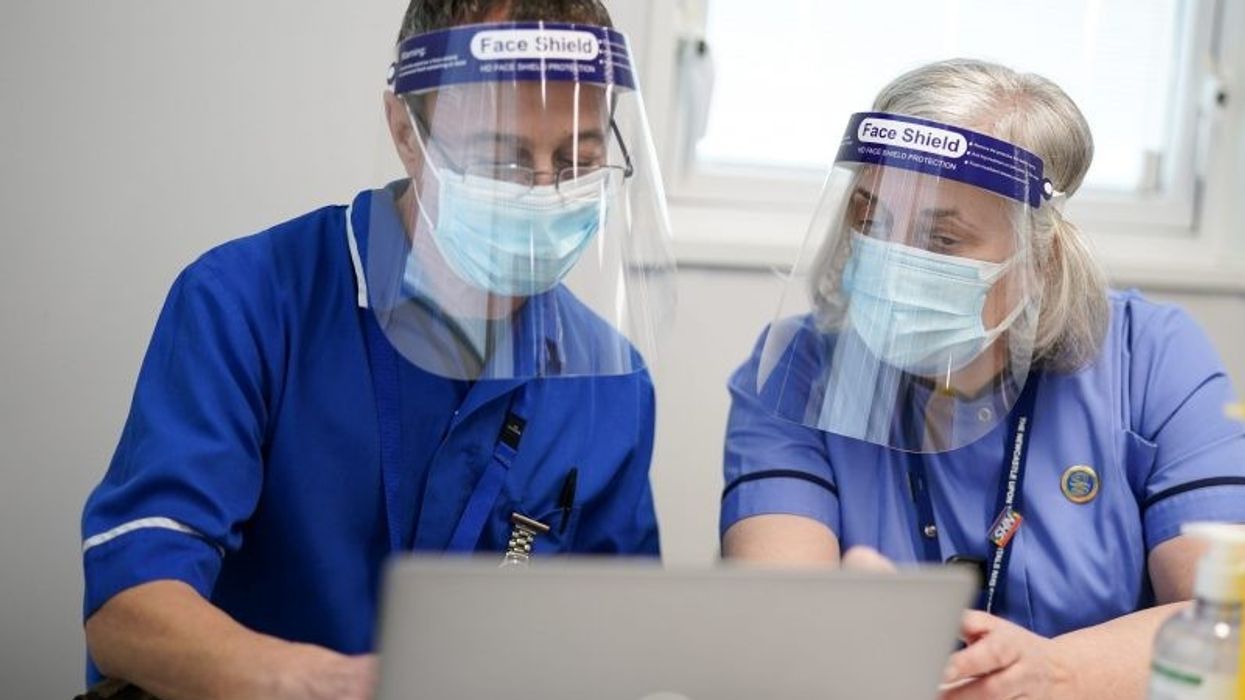

NHS workers and staff who work on the frontline in England have been asked to get fully vaccinated by April 1 or will be redeployed or dismissed.
However, on Monday (31) the ministers will be meeting to decide whether or not to scrap mandatory Covid jabs for NHS workers in England. According to figures reported by the BBC, around 77,000 have had no jab at all.
The mandatory jab requirement is "kept under review", health secretary Sajid Javid said last week but urged NHS staff that it is their "duty" to get vaccinated.
The proposal of vaccinating the NHS staff was put forward when the Delta variant was dominant, with data showing full jabbed persons cut down the risk of catching and spreading the virus.
Since Delta, a more infectious strain called Omicron emerged, leading to breakthrough cases, but vaccinations still worked well preventing severe symptoms in patients.
With the Omicron variant now dominant, Javid has told the Health and Social Care Select Committee to "reflect" on the policy. However, until now no final decisions have been made.
Reports suggest, the government is under pressure to scrap the mandatory Covid jab for NHS staff proposal, as the health service says it would lead to staff shortage.
Protests have been held in cities, with many NHS workers considering moving to work in other UK countries where Covid jab is not compulsory. Scotland and Wales have not made Covid jabs mandatory for NHS workers or care home staff.