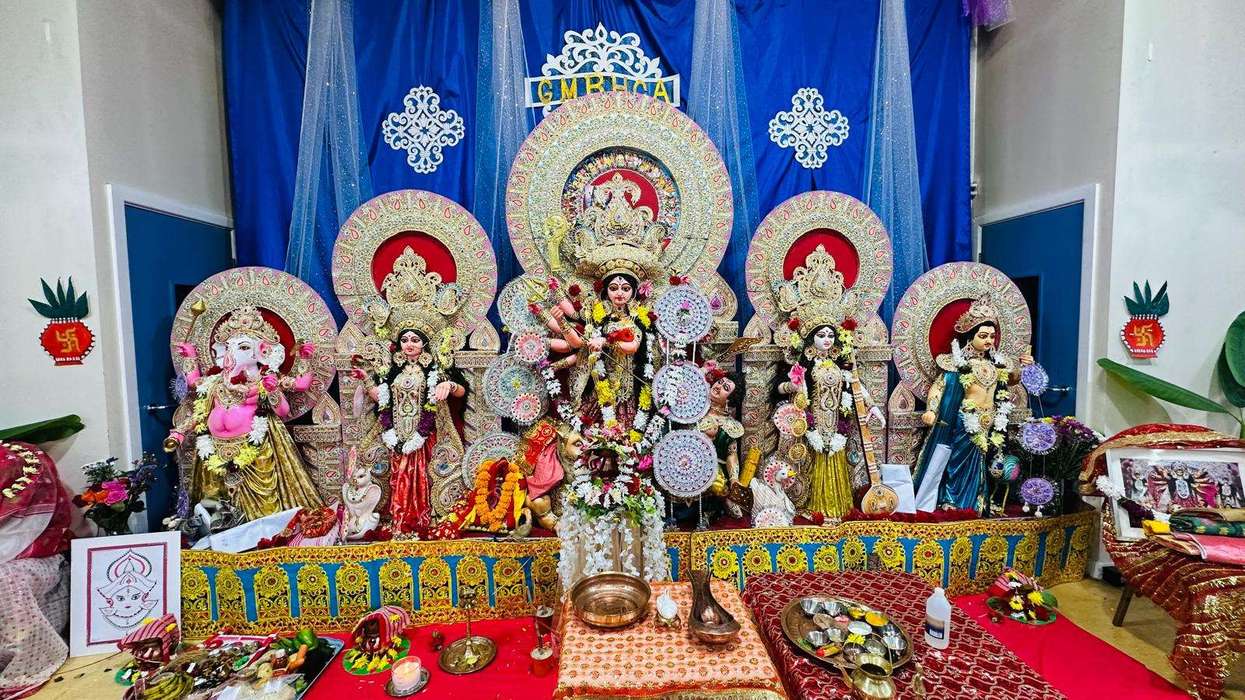

For more than three decades, the beat of the dhak has announced Durga Puja in Manchester. This year, it is joined by something new: WhatsApp messages, AI tools and short-form videos, as one of Northern England's longest-established Bengali organisations looks for new ways to keep its community connected.
The Greater Manchester Bengali Hindu Cultural Association (GMBHCA) will celebrate Durga Puja from Friday 16 October to Tuesday 20 October 2026 at Gandhi Hall, Withington. Founded in 1993 by a handful of families determined to keep Bengal alive far from home, the registered charity now has more than 300 member families and a year-round cultural calendar.
An AI assistant on WhatsApp
This year, GMBHCA has introduced a WhatsApp-based digital assistant using AI, alongside automated membership identification, improved RSVP and attendance tracking, and digital donation receipts.
For a charity run almost entirely by volunteers, the change is significant. Organising a five-day festival, feeding hundreds of guests and managing a calendar that runs from Poila Boishakh to Kali Puja has long relied on goodwill, spreadsheets and busy WhatsApp groups. The association says the new tools are designed to make it more efficient and transparent, and to make it easier for members to stay involved throughout the year.
Heritage in a scroll
Technology is also changing how GMBHCA tells its story. Its new platform, "Khoj – Exploring Culture, Connecting Communities", uses short-form videos to explore Bengali culture, traditions, food, festivals, history and contemporary life, aiming to reach younger audiences and people unfamiliar with Bengali culture alike.
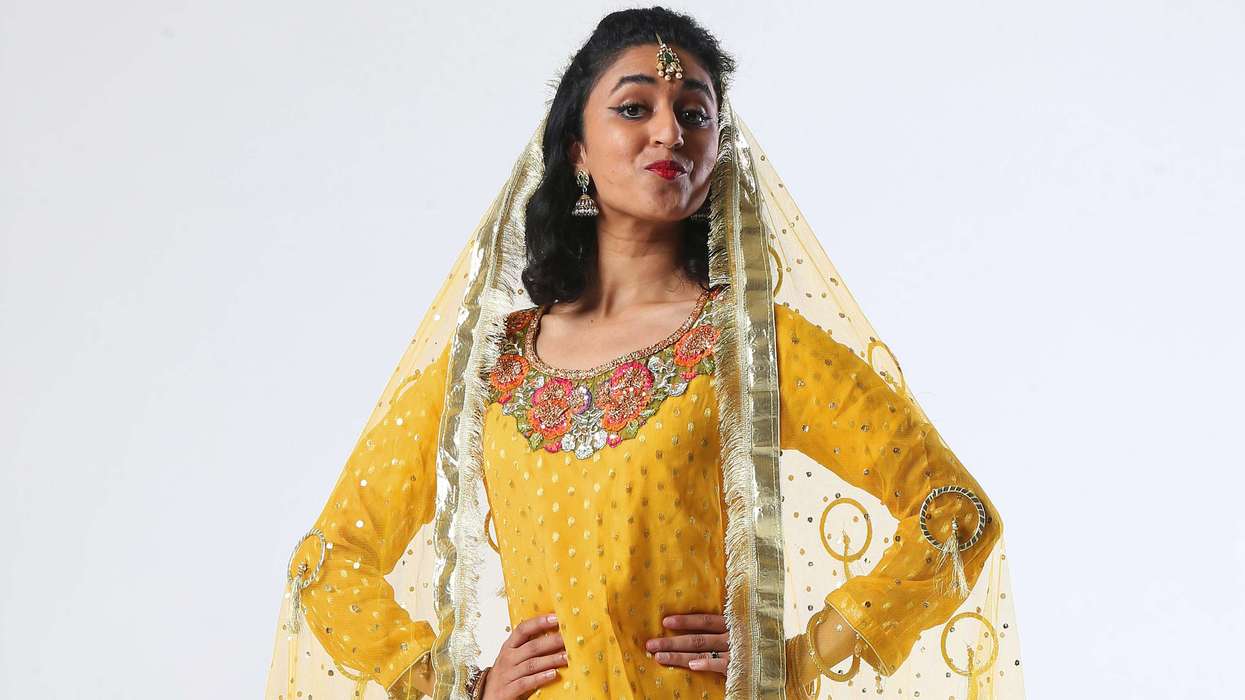
Leading the charge is iKaku, the association's much-loved mascot. Dressed in classic Bengali style and with a weakness for mishti doi, iKaku stars in light-hearted videos, stockpiling KitKats before a Poila Boishakh gathering or returning from the moon just in time for the Bengali New Year.
"iKaku does not ask whether tradition and modernity can coexist. He simply lives in both at once - and invites everyone else to do the same," the association says.
The approach is resonating. GMBHCA says its social media channels have generated nearly 60,000 views, with almost half of all engagement driven by Reels.
Connecting communities, online and off
The digital push sits alongside efforts to bring people together in person. This year, GMBHCA has partnered with Radha Krishna Mandir HRS in Withington, strengthening links between different parts of Manchester's Indian and Hindu communities.
The Puja is also drawing an increasingly diverse crowd, including international students from nearby universities and Mancunians of all backgrounds.
Tradition at the heart
For all the innovation, the essence remains the same. Last year, Deb, believed to be Britain's youngest Hindu priest, chose to spend his 18th birthday performing the rituals before Ma Durga. On Dashami, members joined the Consulate General of India's team for a Swachh Bharat cleanliness drive, sweeping the streets in their festive finery.
Technology, the association believes, is not a replacement for that spirit, but a way of carrying it further, from a hall in Withington to phone screens across Manchester and beyond.