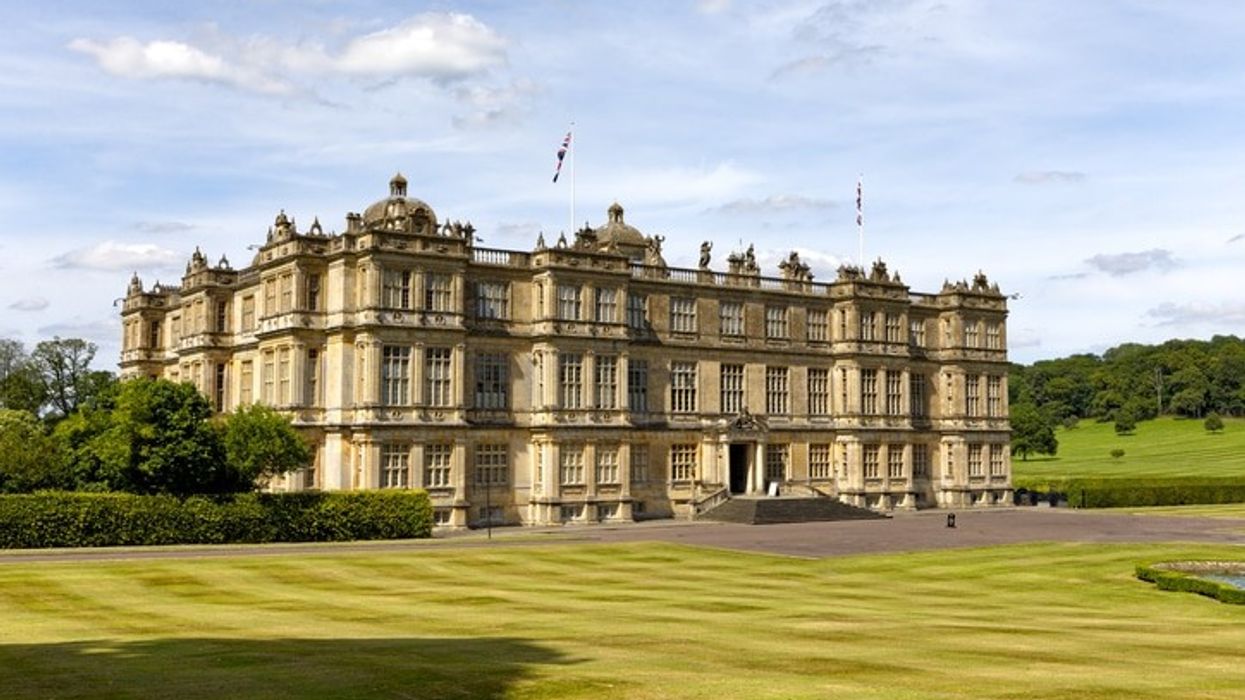

Longleat is a magnificent stately home that epitomises Elizabethan architecture, set amidst sprawling parkland and woodlands. It's not just a historic residence but also houses a renowned safari park, making it a unique destination that blends history and wildlife.
Originally an Augustinian priory, Longleat was rebuilt as a grand residence by Sir John Thynne after the original house was destroyed by fire in 1567. Over the centuries, it has been expanded and modified by successive generations of the Thynne family, including notable architects like Robert Smythson and Sir Christopher Wren. It has witnessed significant historical events and has been adapted for various purposes during times of war.
Top Attractions:
Longleat House: You can explore the grandeur of the Elizabethan architecture, where you can check locations like Great Hall, Red Library, and State Dining Room, adorned with exquisite furnishings and artworks where you can experience the royalty.
Safari Park: Moving on after the royalty, embark on a thrilling safari adventure through the parkland, home to over 500 animals, including lions, giraffes, and tigers.
Longleat Hedge Maze: You can lose yourself in the world's longest hedge maze, designed by Greg Bright, featuring intricate pathways and hidden surprises.
Gardens and Parkland: Stroll through landscaped gardens, designed by Capability Brown, and enjoy scenic views of the surrounding countryside.
How to Reach:
By Car: Longleat is easily accessible by car, located off the A36 between Bath and Salisbury. Ample parking is available on-site.
By Public Transport: Regular train services connect nearby towns such as Warminster and Frome to major cities like London and Bristol. From these towns, local bus services or taxis can be used to reach Longleat.
Nearby Attractions:
Stourhead: Visit the stunning landscape garden and Palladian mansion, known for its picturesque lake and classical architecture.
Bath: Explore the historic city of Bath, famous for its Roman baths, Georgian architecture, and vibrant cultural scene.
Stonehenge: Discover the ancient stone circle and UNESCO World Heritage Site, shrouded in mystery and intrigue.
Visiting Information:
Longleat House, park, and attractions are open to the public from mid-February to the start of November each year. Visitors can enjoy guided tours of the house, safari park adventures, and leisurely walks through the gardens.
Tickets can be purchased online or at the entrance gate.