Virat Kohli limped off the field before India completed another dominant performance over South Africa in the first Twenty20 international at the Wanderers Stadium on Sunday.
Shikhar Dhawan and Bhuvneshwar Kumar were mainly responsible for India’s 28-run win, just two days after the tourists completed a 5-1 thrashing of the hosts in a one-day international series.
India captain Kohli left the field 13 overs into South Africa’s innings after suffering a left leg strain while batting.
“I tweaked my glute a little bit. Thankfully it’s not my hamstring,” he said.
“I felt a little more stiffness (in the field) so I decided to go off and not be stupid and tear a muscle.”
Dhawan made 72 in an Indian total of 203 for five after they were sent in to bat.
Then opening bowler Kumar produced a masterly display as he claimed career-best figures of five for 24 as South Africa were restricted to 175 for nine.
Kumar took the first two wickets and put a clamp on South Africa’s scoring rate with an opening spell of two for 19 in three overs, displaying superb control and changes of pace.
Then he came back to settle the contest and secure the man of the match award by taking three wickets and conceding only five runs in the 18th over.
South Africa were outplayed once again despite a fourth wicket partnership of 81 off 54 balls between Reeza Hendricks (70) and Farhaan Behardien (39) with Indiasuperior in all departments.
Kohli hailed “one of our most balanced performances” in a T20 international.
South African captain JP Duminy admitted he was “very disappointed” but backed a policy of short-pitched bowling in an attempt to take wickets when India batted.
The left-handed Dhawan hit ten fours and two sixes in a 39-ball innings.
He was lucky to escape on ten when he flicked at a ball down the leg side from Junior Dala.
South Africa appealed half-heartedly for a catch behind and the ball was called wide. Replays showed the ball had brushed his glove.
India made a flying start, with Rohit Sharma square-cutting the first ball from Dane Paterson for six. He added a second six in an over which yielded 18 runs.
Sharma was caught behind off new cap Dala in the second over but all the Indian batsmen followed his attacking example on a ground where there had been three successful run chases of over 200 in T20 internationals.
Kohli’s run of big scores ended when he was leg before wicket to left-arm wrist spinner Tabraiz Shamsi for 26. He had been dropped off the same bowler at long-on when he had ten.
South Africa were without star batsman AB de Villiers, who was ruled out of the series after suffering a blow to his left knee ahead of the sixth one-day international in Centurion on Friday.
India also suffered an injury blow, with left-arm wrist spinner Kuldeep Yadav missing because of a thumb injury suffered in Centurion when India completed a 5-1 series win.


 Actress Bella Thorne and Charlie Puth attend the Y100's Jingle Ball 2016Getty Images
  Bella Thorne's commentInstagram Screengrab
 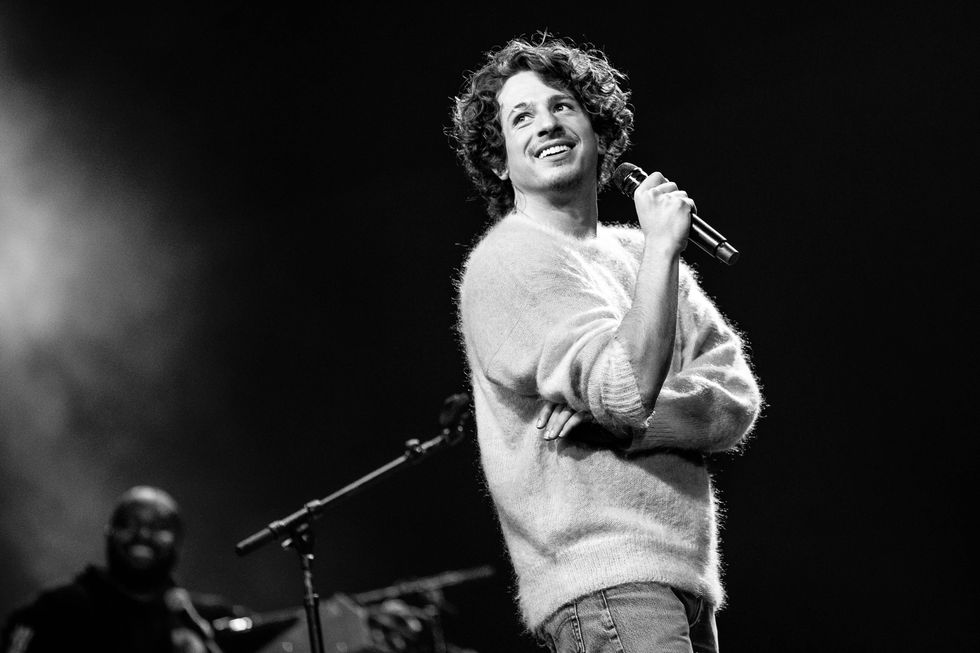 Charlie Puth performs onstage at an interactive global eConcert liveGetty Images
  Bella Thorne and Mark Emms attend a red carpet for the movie "Priscilla"Getty Images
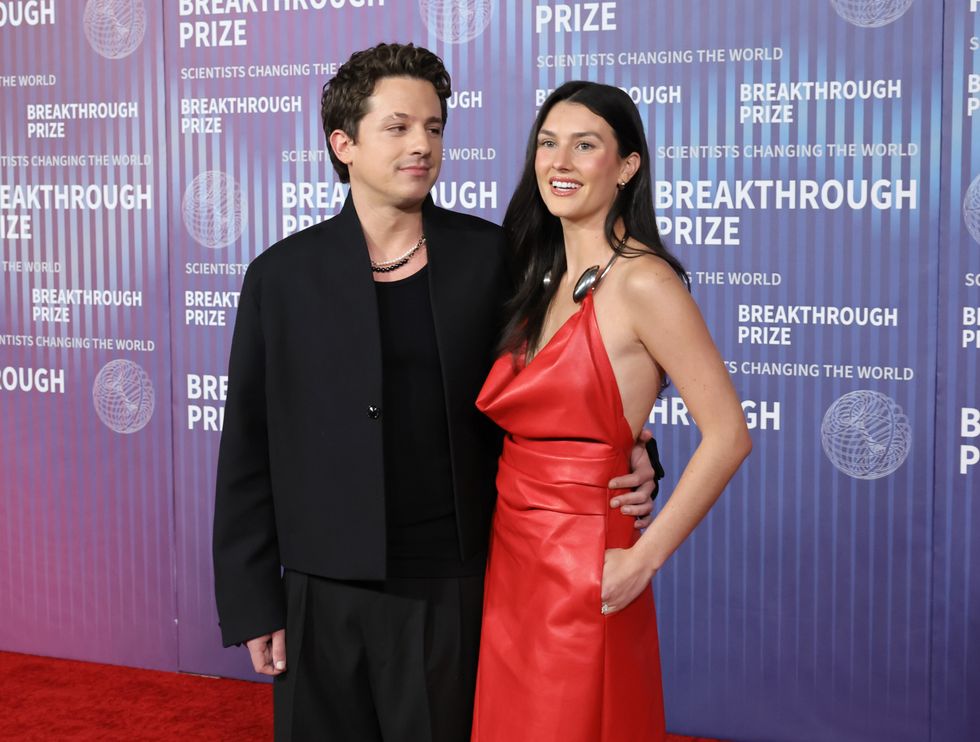 Charlie Puth and Brooke Sansone attend the 10th Breakthrough Prize CeremonyGetty Images