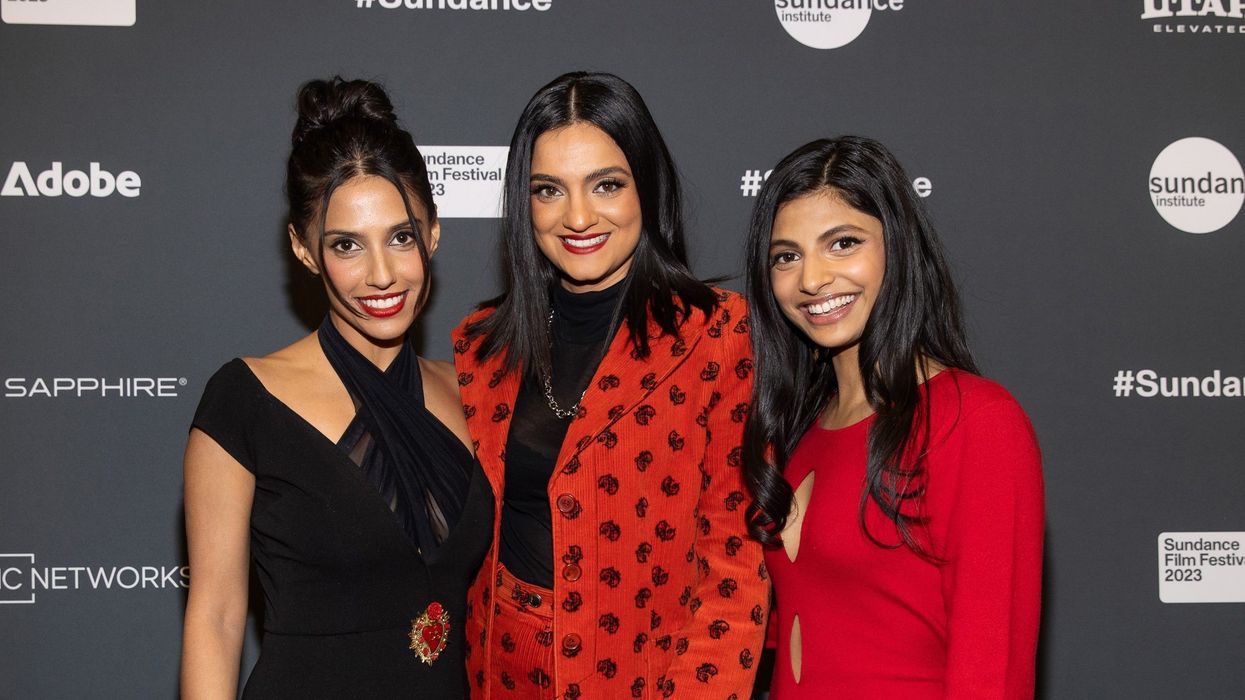

Director Nida Manzoor is aiming to change the way Asian women are viewed on the screen with her new action comedy Polite Society.
The London-set film follows Ria Khan (Priya Kansara), a bolshy schoolgirl and martial artist-in-training who dreams of becoming a world-renowned stunt woman. When she witnesses her big sister Lena (Ritu Arya) give up on her dreams by dropping out of art school and getting engaged, Ria attempts to save her sister from the shackles of marriage by enlisting the help of her friends and attempting to pull off the most ambitious of all wedding heists in the name of freedom and sisterhood.
Polite Society follows on from Manzoor’s award-winning TV series We Are Lady Parts, which was about a British Muslim female punk rock band.
When asked if it was intentional to do women-focused projects, Manzoor told Eastern Eye: “It's extremely intentional. I loved cinema growing up, but I didn't see myself or see the women I knew. I wanted to centre women in my work because I feel often times we're left out of the arts, both behind the camera and in front of the camera.”
Polite Society is a merry mash-up of sisterly affection, parental disappointment with bold and bloody action and features memorable scenes of Ria and Lena flying in the air doing roundhouse kicks wearing grand, heavily-embroidered lehengas.
“It was incredibly important to me to focus on women in this film, especially using the action genre which has traditionally been a genre for men and to kind of claim that for women as well. To explore sisterhood and femininity through the genre was just exciting, something that I felt I didn't really see much and I really wanted to do myself.
“My favourite thing about making film and television is the opportunity to bring marginalised communities into mainstream genres – action, sci-fi, comedy.
“I love writing comedy. It’s my go to form of expression when I put pen to paper, my most natural form of storytelling. I feel comedy is the most disarming of all the genres. If done well, it can make us warm to characters from different backgrounds deeply and immediately.”
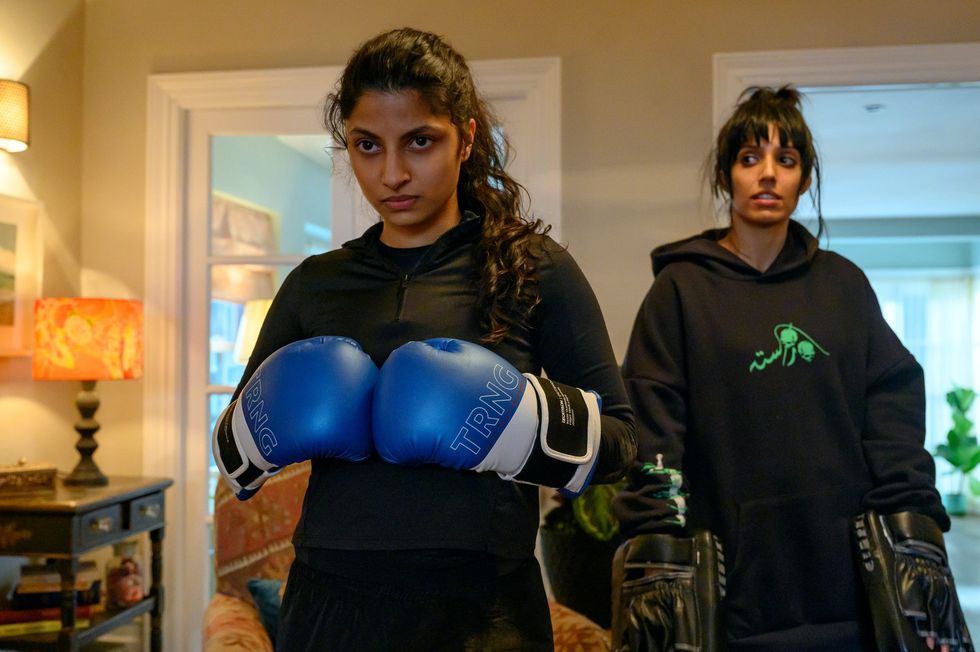 Priya Kansara (L) and Ritu Arya in Polite Society (Pic credit: Parisa Taghizadeh /FOCUS FEATURES)
The heart of the film is the bond between the two sisters who are each other’s support systems in navigating their way through cultural expectations.
Manzoor reveals a lot of the story was inspired by the relationship she has with her own sister.
The Manzoor sisters, who were brought up by Pakistani Muslim parents in Singapore and then London, have a close personal and working bond. They wrote the music for We Are Lady Parts together, along with their brother, Shez.
“My older sister Sania is, in many ways, my muse. Our relationship has been extremely up and down where we loved each other so much and hated each other. The sister relationship is so unique and one that we don't see a lot in cinema. It's often romantic relationships that are sort of the main attraction.
“It was really fun to get to centre a sister relationship and honour my older sister who was a big dreamer and was a big rebel. In many ways, Ritu was perfect casting because she's got this edgy alternative quality.
“While it's an over-the-top comedy, it really focuses on sisterhood and friendship, because we don't often get to see that, especially not in a film with action and dance numbers. It was a chance for me to mix all the films I grew up on – Jackie Chan movies, Bollywood movies, The Matrix, and mash it into a wild film about sisterhood which has been so exciting.”
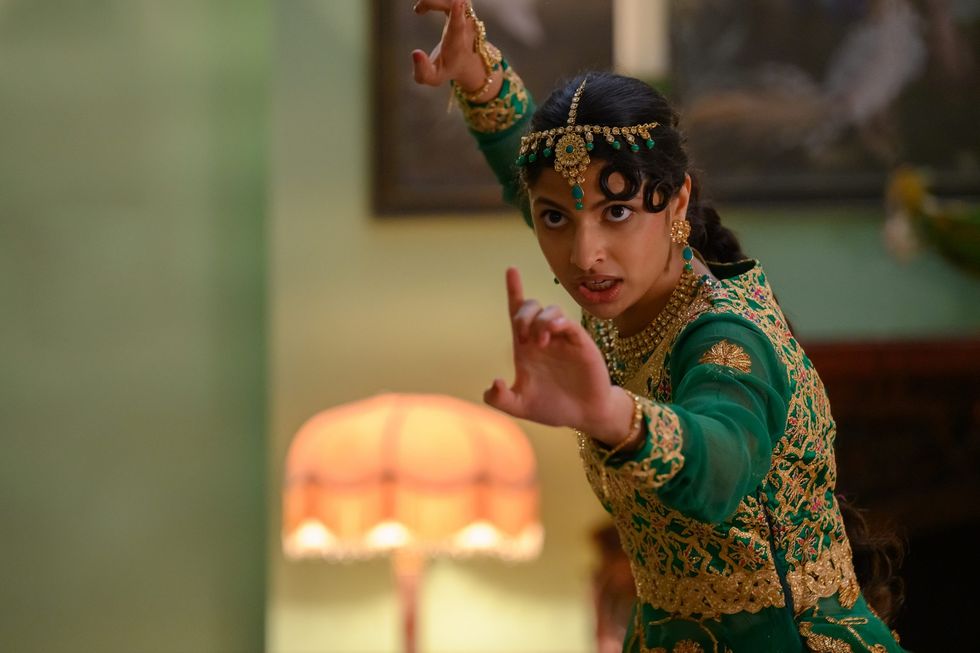 A scene from Polite Society (Pic Credit: Parisa Taghizadeh /FOCUS FEATURES)
Manzoor, 33, wrote Polite Society 12 years ago, but it got “passed on by everyone” who were more interested in maximising the narrative of forced marriage rather than a story that focuses on the love between two sisters.
It was the success of We Are Lady Parts which was nominated for two Baftas and secured Manzoor the Rose d’Or emerging talent award that led to Polite Society being green lit.
Manzoor said she knew given how much would be asked of the actors - from high-level stunts to elaborate dance numbers – casting the central siblings would be the most crucial aspect of the project.
The writer-director admitted that for a long time she didn’t think they would ever find their Ria which would mean the film would never be made. That was until a fresh face walked through the door – an actress who had only very recently given up her day job to pursue acting.
“When Priya Kansara came in, I'd not seen or heard of her before, but she was instantly so captivating,” Manzoor recalled.
“She is so hugely talented. When you film her, she lights up the screen. She's also the kindest, most generous person to work with and she would lift the entire crew when she walked on set. She's the ultimate movie star in my opinion. She also did most of her own stunts!”
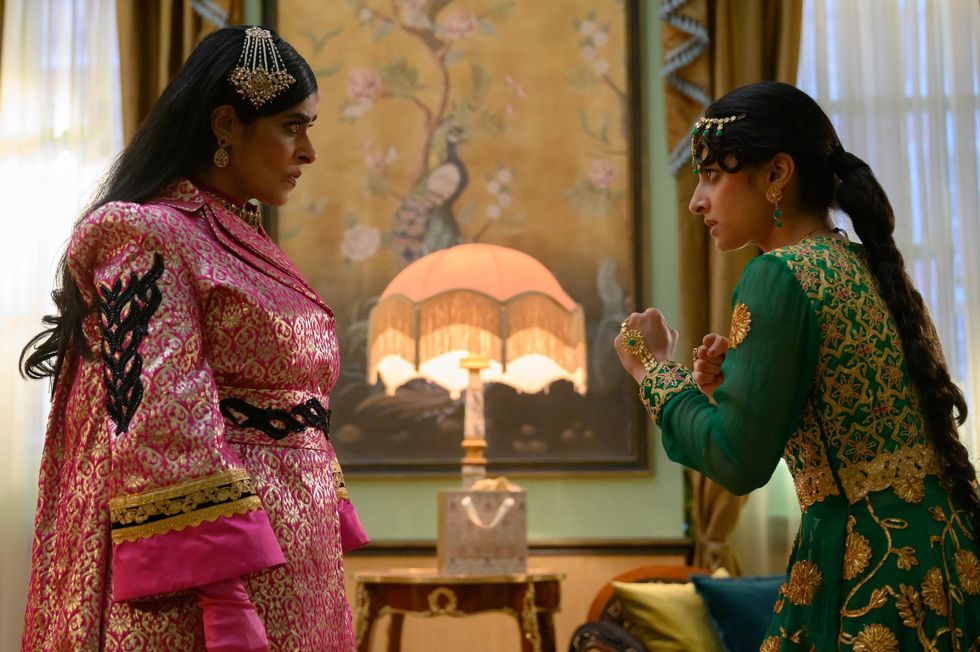 Nimra Bucha (L) and Priya Kansara in Polite Society (Pic Credit: Parisa Taghizadeh /FOCUS FEATURES)
Kansara remembers being struck by the script immediately. “I thought, ‘This is the craziest thing I’ve ever read!” she said. "It was so fresh and I’d never read anything like it before.
"The beauty of this film is that it has so many references and so many nods to different types of cinema and through Ria, I got to experience all of that. It was like doing seven movies in one because I got to do the stunts and the fighting, I got to dance, ride bikes, scale buildings and be torture-waxed and play all the way from funny to incredibly emotional. It was really fun to have such versatility in one project.”
When casting Arya, Manzoor felt she embodied a lot of the qualities of her sister Sania and the character of Lena.
“Ritu is one of my favourite actors to work with,” said Manzoor. “She's really mercurial and she has so much depth as a performer. She holds so much in such small expressions and she's also quite punk. I really wanted Lena to have this edgy, alternative feeling, which I think Ritu totally encapsulates as she is a drummer in a band and one of the coolest people I know!
“It was a no-brainer to cast Ritu as Lena. And then Ritu and Priya got on like a house on fire. When I was watching them in rehearsals mess around and have fun I totally believed them as sisters and that was so exciting to see.”
Kansara concurred: “Ritu is genuinely like a sister to me. “The banter and the jokes that we make on screen are very much the jokes that the two of us would make off-screen, too. This movie is a love story between two sisters because this entire series of events take place because she loves her sister so much. As an artist, Lena chose to do something slightly different, something that wasn’t as accepted but she followed her dream and she went to art school. Ria admires her for doing that and really sees a lot of herself in her sister.”
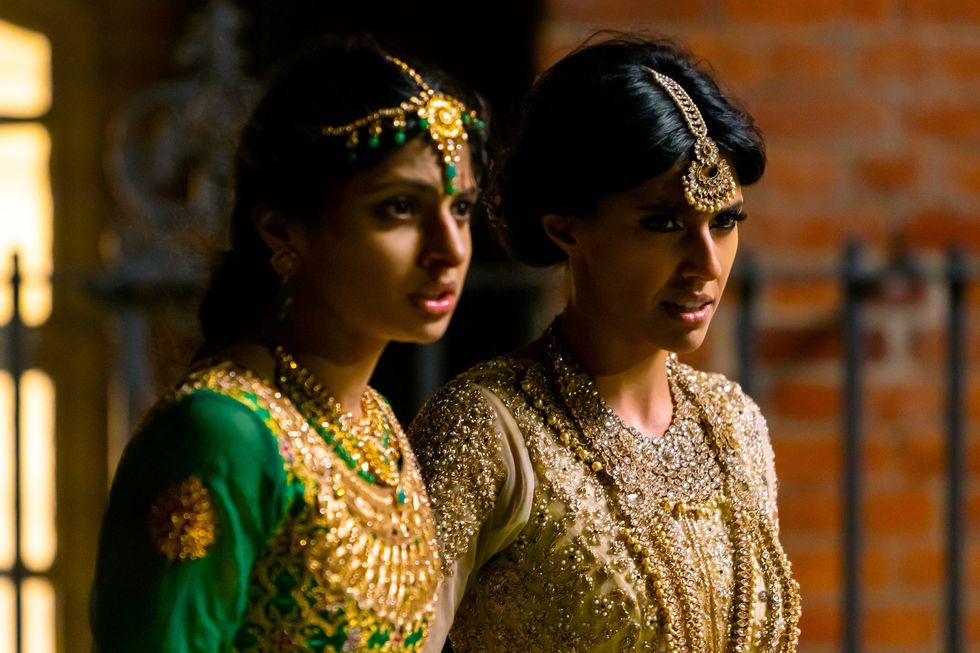 A scene from Polite Society (Pic Credit: Saima Khalid /FOCUS FEATURES)
Arya began her career in the UK with shows like Humans, Doctors and The Good Karma Hospital. She’s gone on to make a name for herself Stateside as series regular on The Umbrella Academy and played a key role in the Dwayne Johnson film Red Notice. She was excited to come back to the UK to work with Manzoor again.
“Nida is a fantastic director who is doing amazing things,” she said. “It’s the third time I've worked with her and every time it’s just gotten better and better. Our DP, Ashley Connor, is such a badass and she was always trying out different things as well. Then even the grips and the sound department were full of women - which felt so cool.
"On top of all of that, it has been so empowering to have this ensemble consist of such a diverse – primarily south Asian – cast. I'm so happy that this film exists. It’s what I’ve been waiting to see for a very long time.”
Manzoor appeared in the Time100 Next issue, the magazine’s annual list of rising stars from around the world.
On her entry post, Oscar winner Riz Ahmed said: “There are artists who defy expectations, and there are artists who explode them. Nida Manzoor is the latter.”
Manzoor admitted she appreciated the recognition of her work, but was quick to pay tribute to the directors who had come before her.
“There have been directors blazing the trail for south Asian women - like Gurinder Chadha, Mira Nair and Deepa Mehta. Filmmakers that I look up to and I'm inspired by and I feel like they really pushed the door open so I could now what I need to do.”
Polite Society is in UK cinemas from Friday


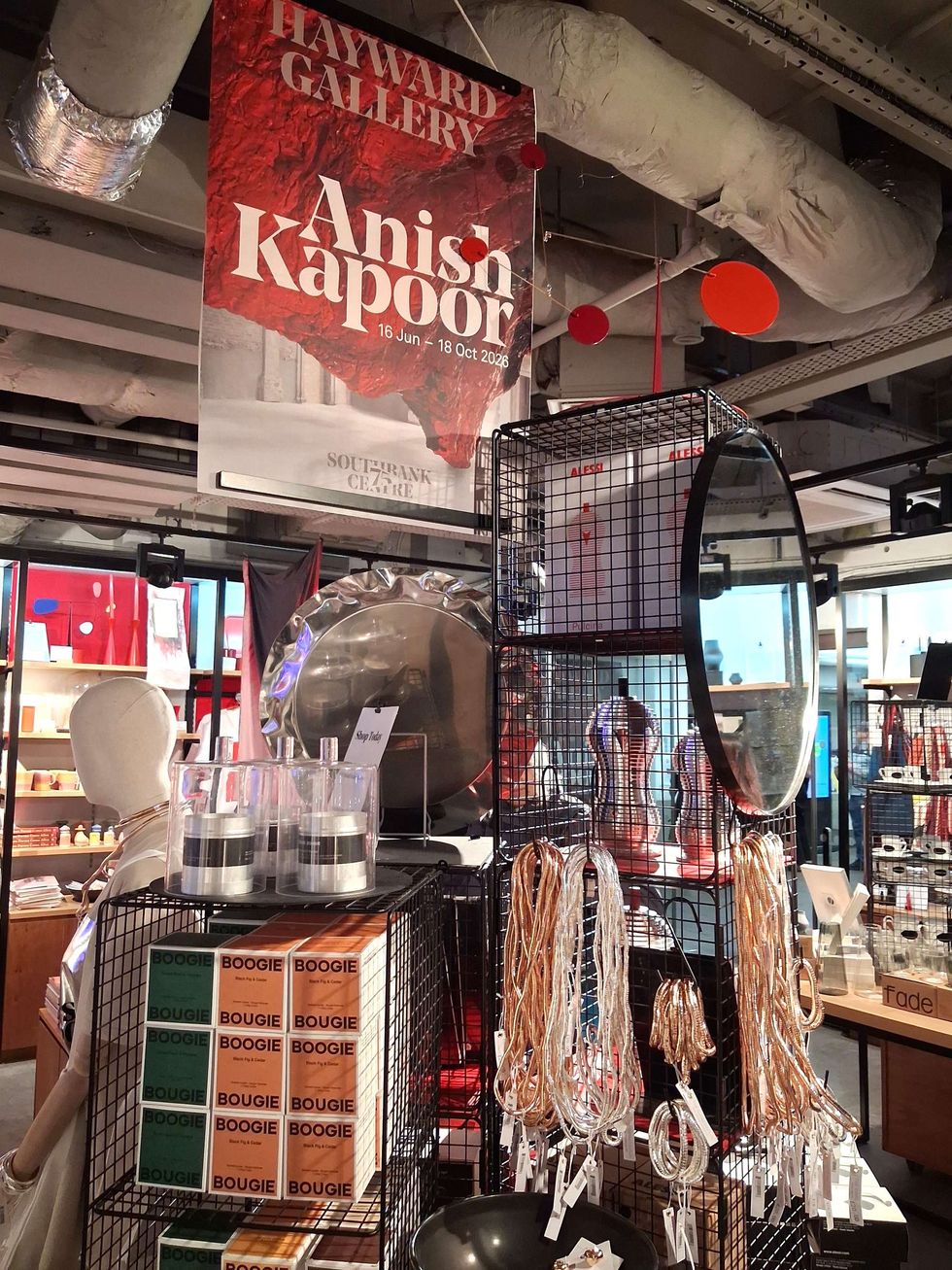 Anish Kapoor merchandise in the Hayward Gallery shopEastern Eye
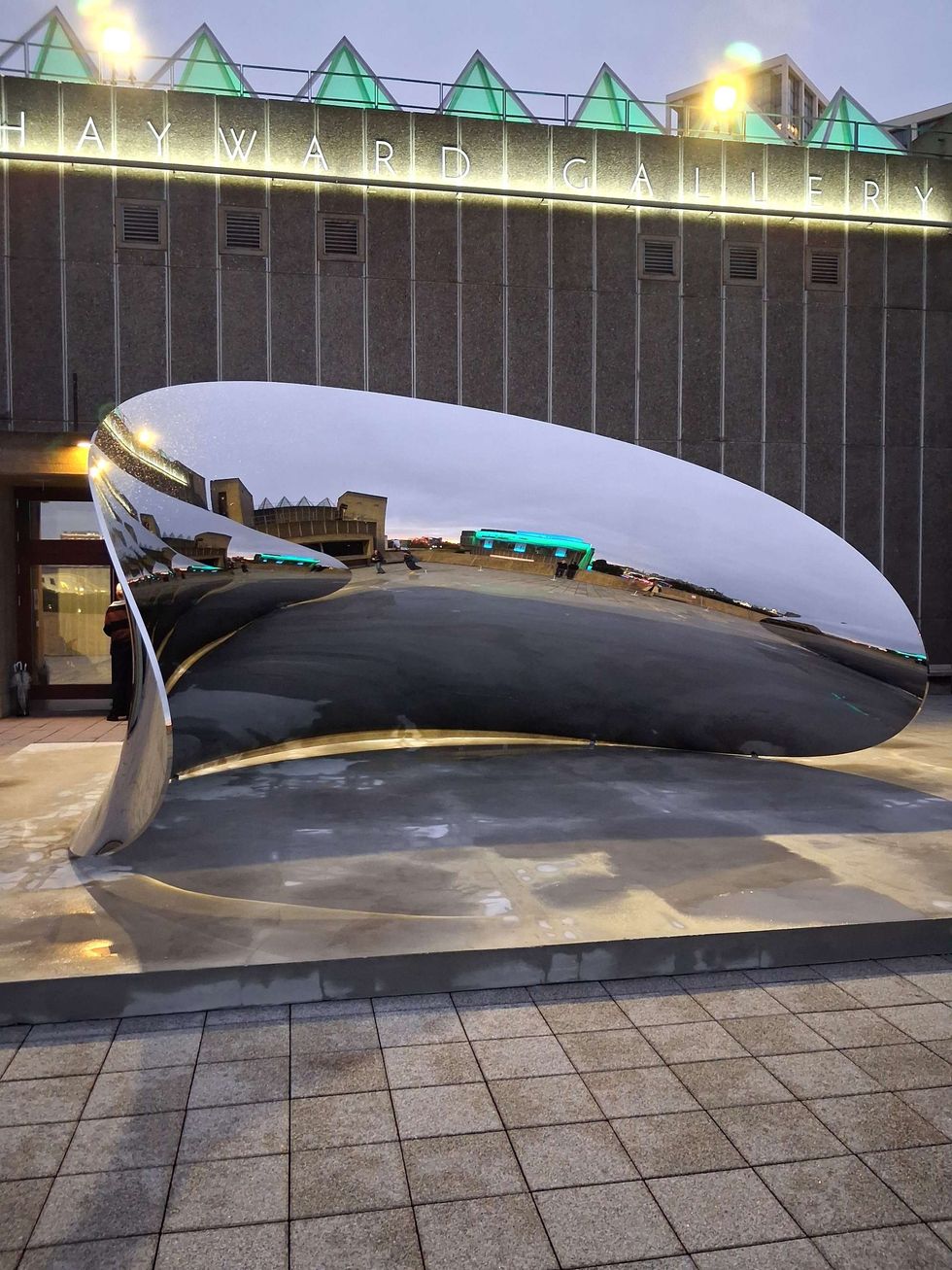 TsunamiEastern Eye
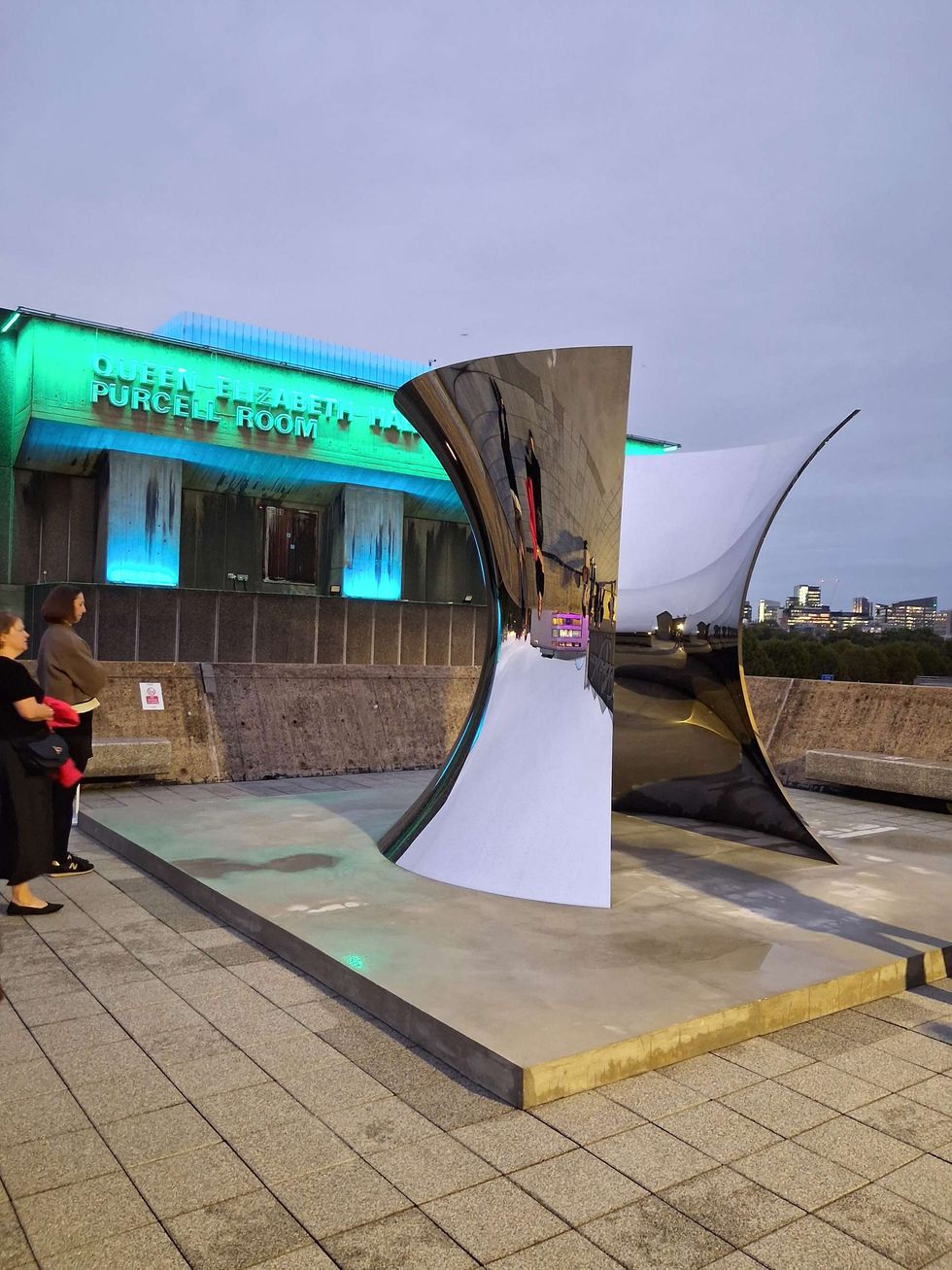 CloakEastern Eye
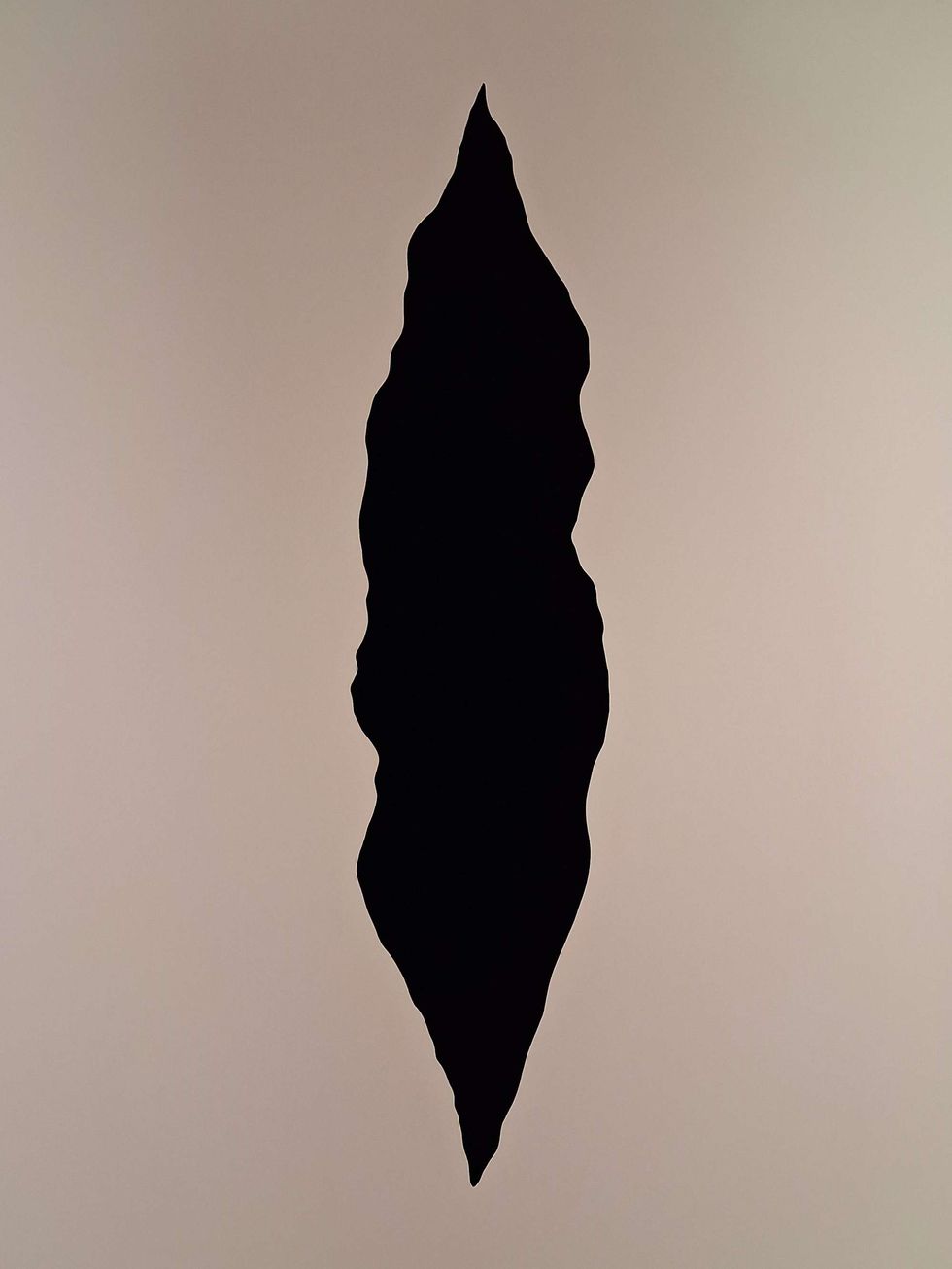 Untitled (work in Vantablack)Eastern Eye
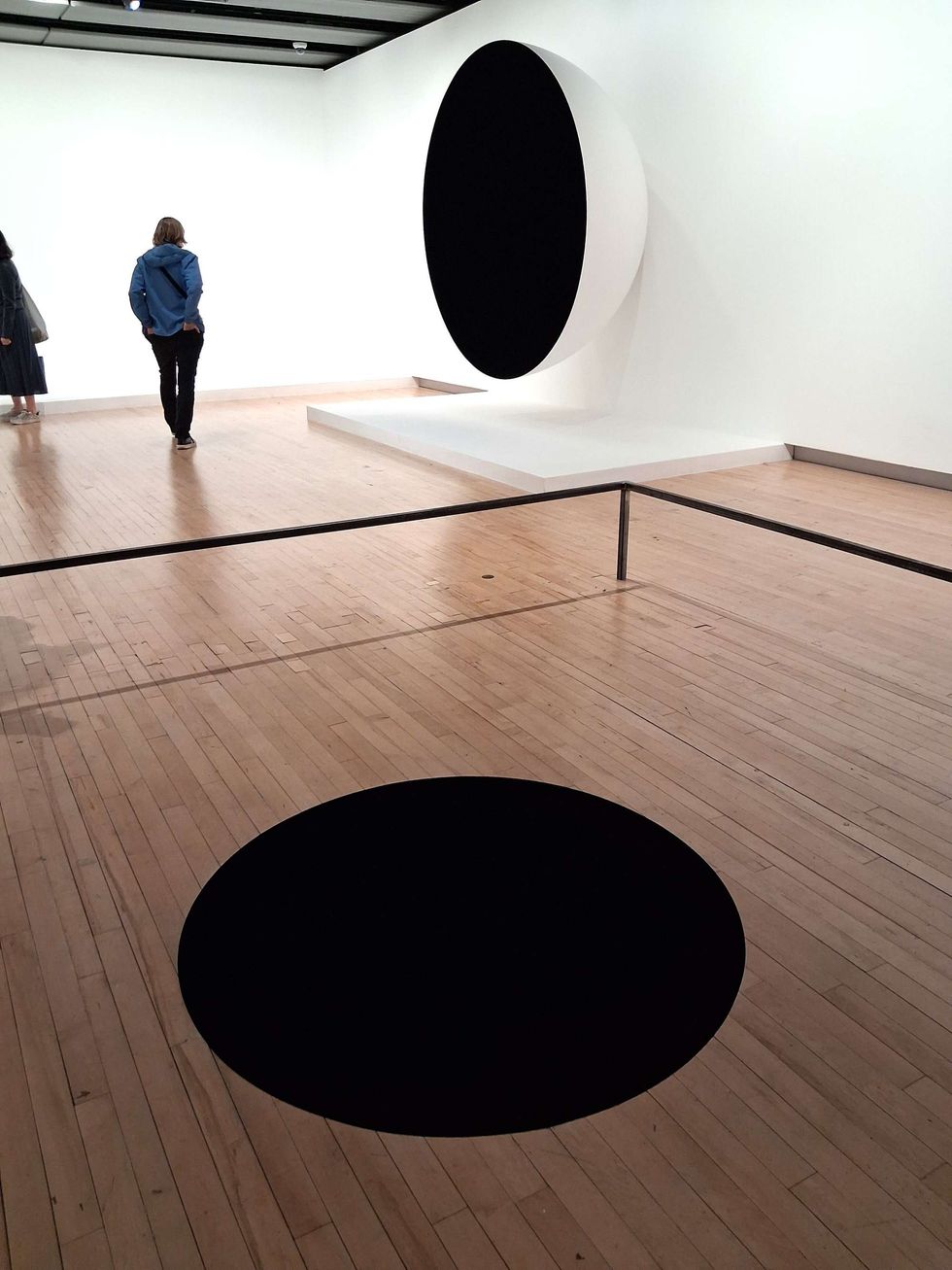 Descent into limbo (work in Vantablack)Eastern Eye
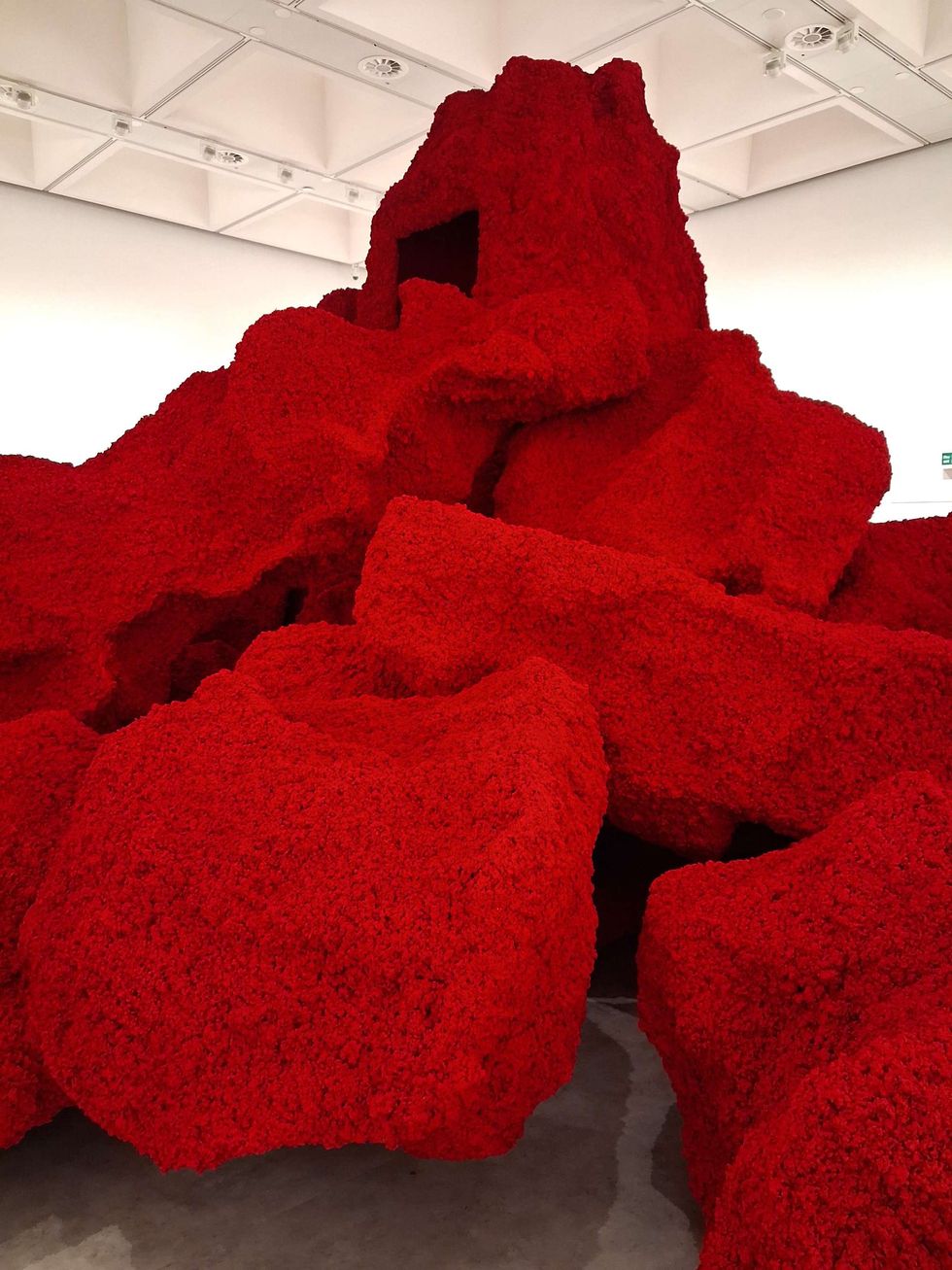 Ha MakomEastern Eye
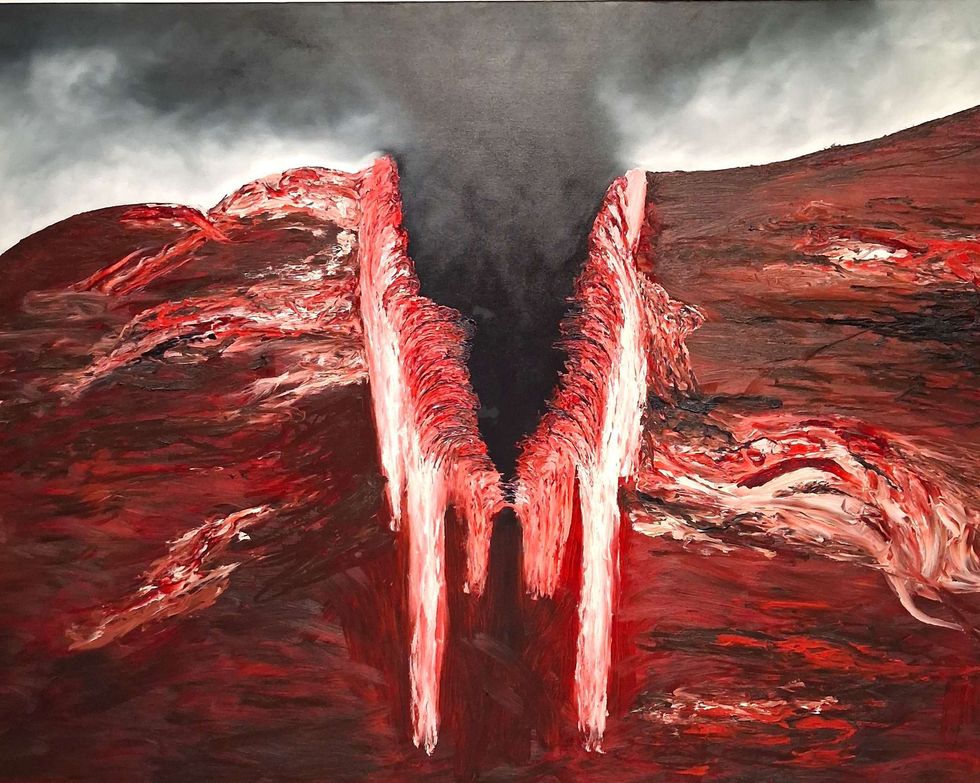 The Dark (oil on canvas)Eastern Eye
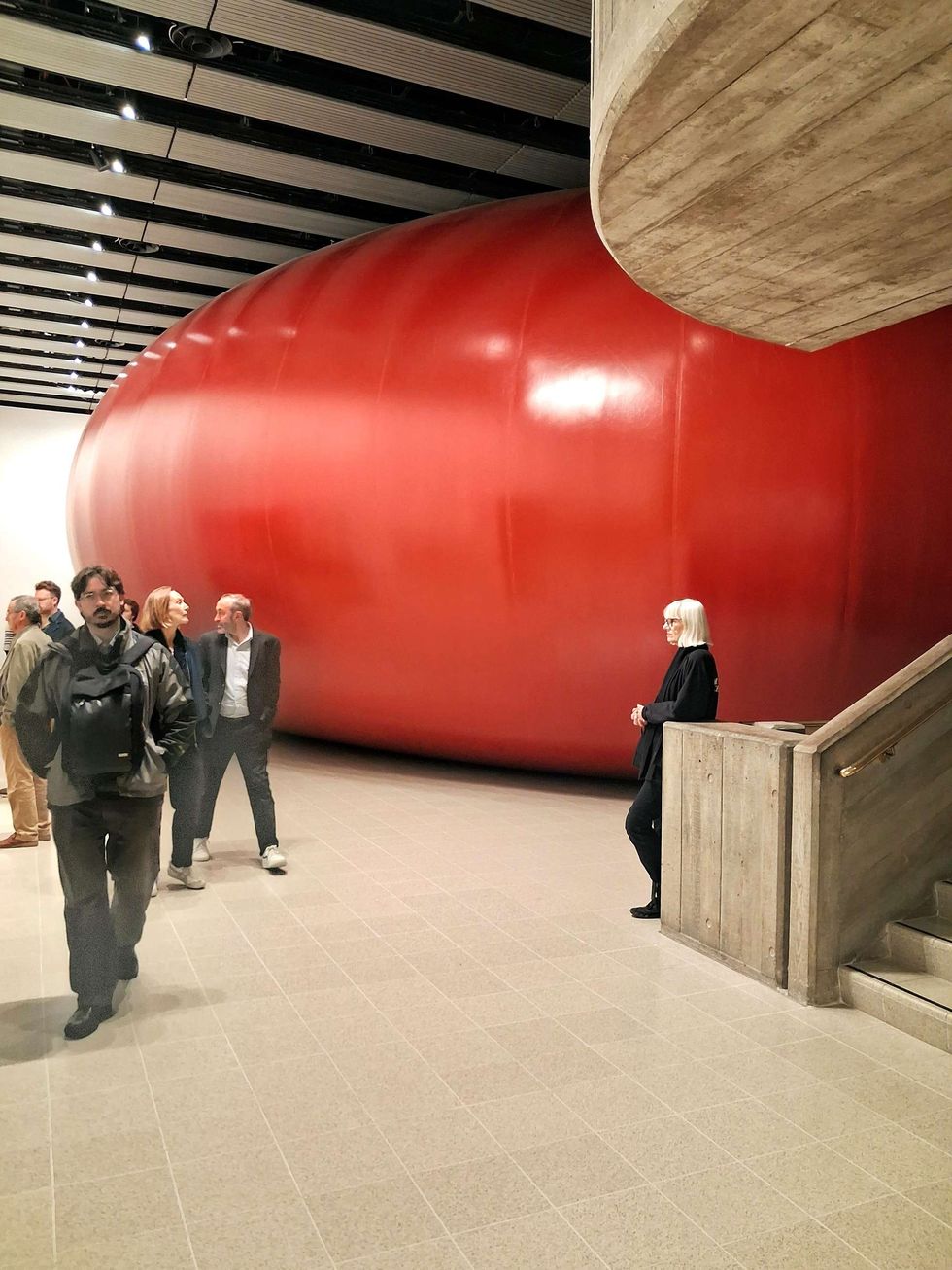 All is NothingEastern Eye
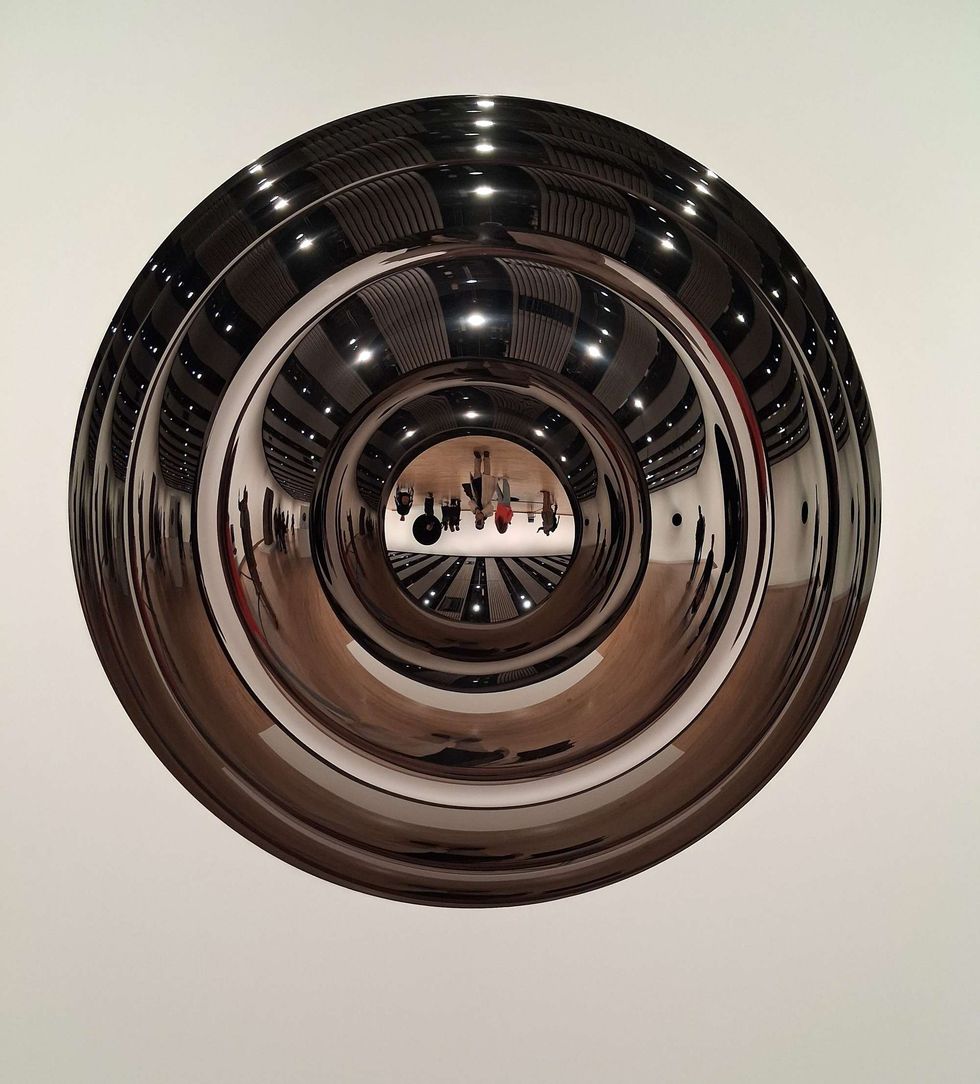 IrisEastern Eye
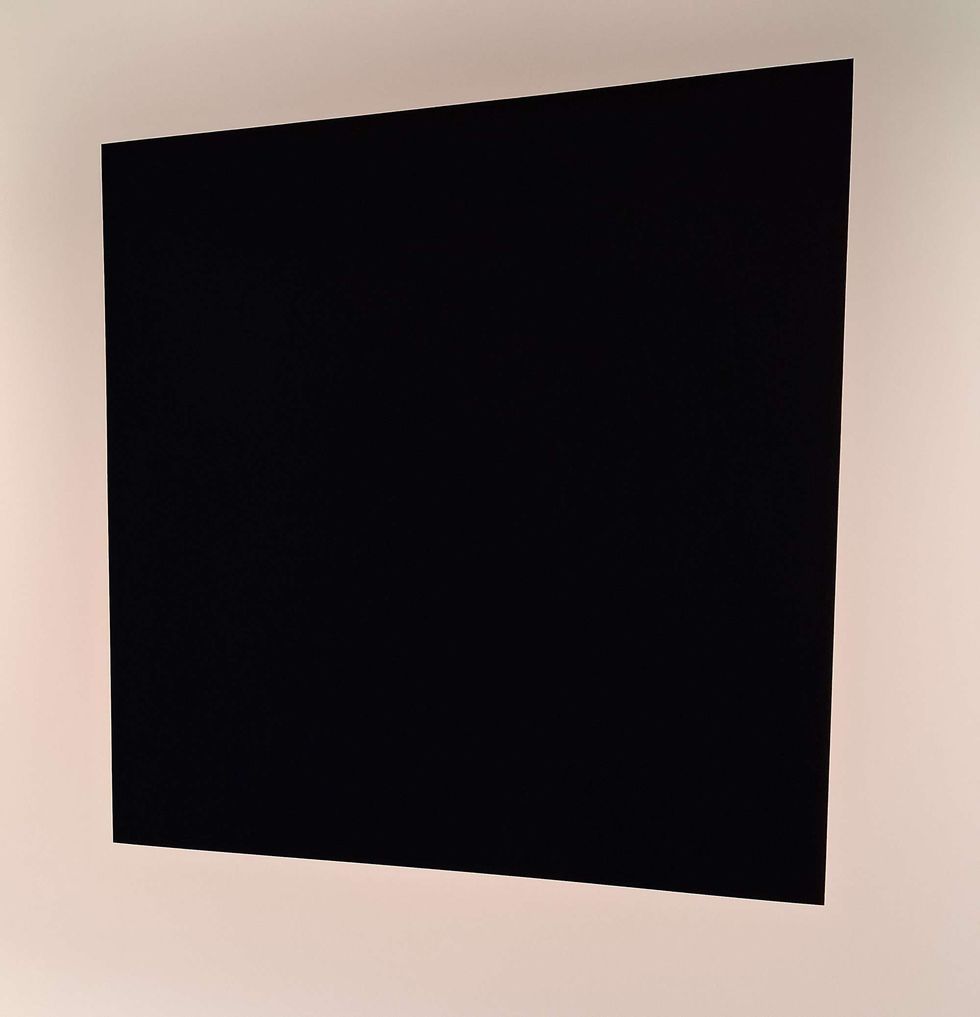 Untitled (work in Vantablack) Eastern Eye
 Mount Moriah at the Gate of the GhettoEastern Eye
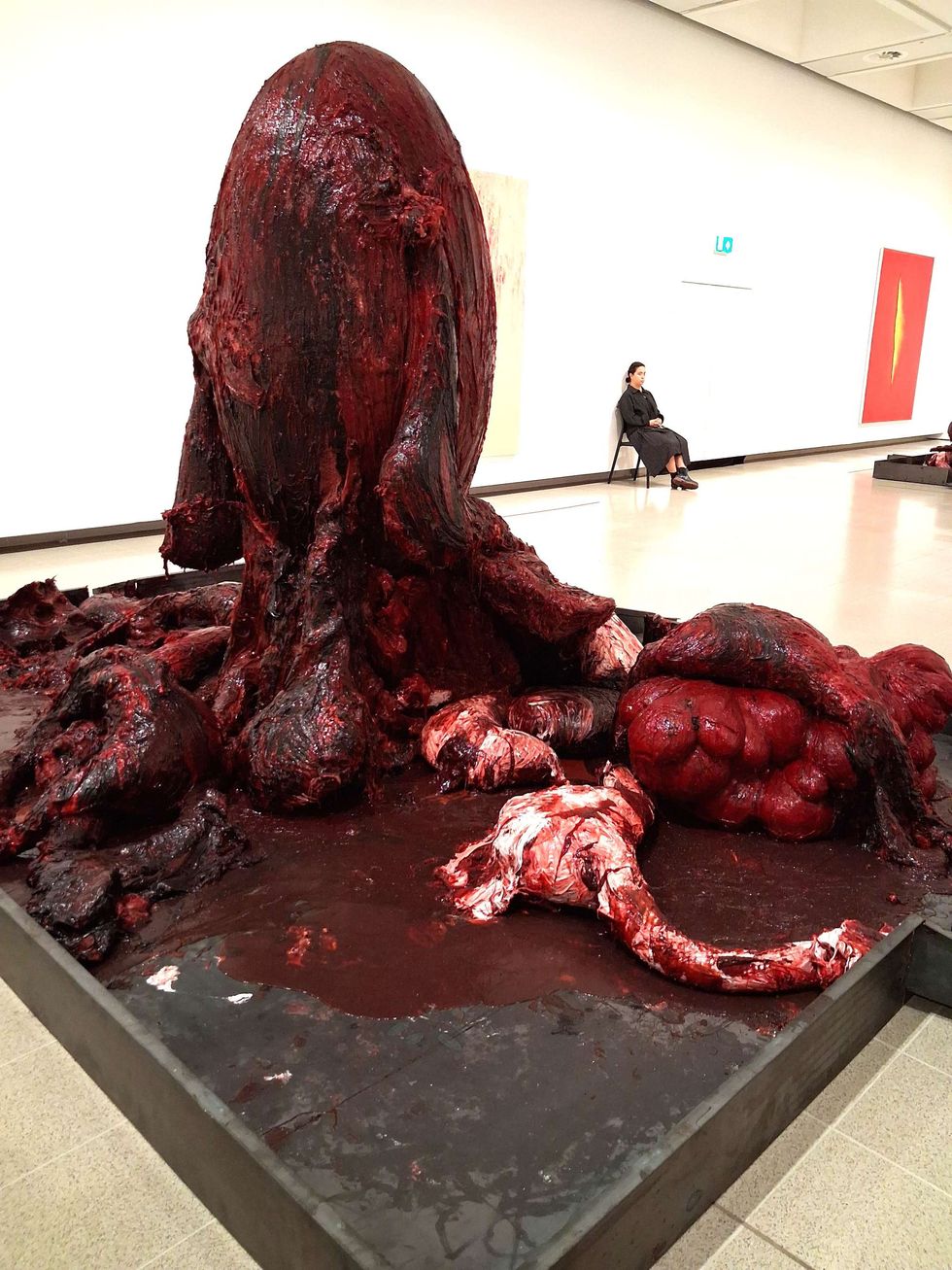 Interior of the body: evocation of ritual sacrificeEastern Eye