
- JLR is talking to NATO countries about its new Defender Wolf Series II military vehicle.
- The carmaker is bidding for a £900 million UK Ministry of Defence contract.
- The move comes as JLR cuts costs and plans 4,000 job cuts globally.
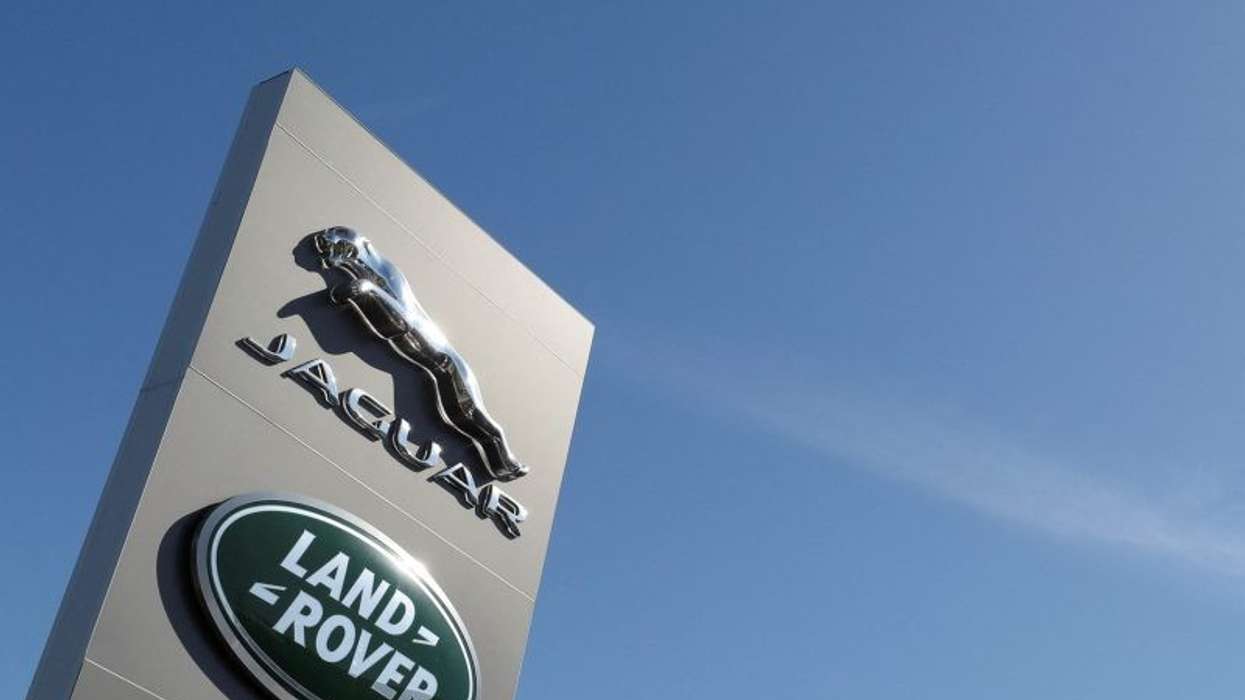
Jaguar Land Rover (JLR) is looking beyond the traditional car market as it explores selling its revamped Defender military vehicle to NATO countries.
The UK-based carmaker, owned by India's Tata Motors, has established a new Defender defence division to look for partnerships and supply vehicles for transporting personnel and equipment to military organisations around the world.
It is also bidding for a £900 million UK Ministry of Defence contract to replace an ageing fleet of Land Rovers that have been out of production since 2016.
JLR is competing against General Motors and Ineos Automotive, the UK company behind the civilian Grenadier 4x4.
The move comes as defence spending rises across Europe, with NATO countries looking to strengthen their military capabilities. For JLR, it also opens up a new source of potential demand at a time when the wider car industry is dealing with weaker sales, higher costs and growing competition.
From British roads to military use
JLR has unveiled three new variants of the Defender Wolf Series II, describing them as the next-generation military version of the vehicle.
Patrick McGillycuddy, managing director of Defender, said the company would offer the vehicle to defence organisations worldwide while also bidding for the UK Ministry of Defence's light mobility vehicle tender.
“Through our newly established Defender defence division, we will offer Defender Wolf Series II to defence organisations worldwide, while also bidding for the UK Ministry of Defence light mobility vehicle tender,” he reportedly said.
The new vehicles are designed and engineered in the UK, with their engines built in Wolverhampton.
McGillycuddy said the 4x4s were “exceptionally robust and versatile”, pointing to their lightweight aluminium monocoque construction and stiffer body structure as features that allow them to be adapted for different military roles.
He described the vehicle as “a modern successor to the world-famous Defender Wolf and Land Rovers that have served the British armed forces for more than 70 years”.
The move does not, however, mean JLR is abandoning the civilian car market.
The company is also looking at expanding the Defender into the US pickup truck market, which is worth around £59 billion. A Defender pickup is reportedly being considered for production in the US through a joint venture with Stellantis, although JLR has declined to comment on the report.
Why carmakers are looking at defence
JLR's move comes as European manufacturers look for ways to adapt to a rapidly changing market.
The carmaker has been cutting costs as it faces weaker demand, higher operating expenses, US tariffs and the fallout from a damaging cyber-attack last year. It is planning around 4,000 job cuts globally as part of an effort to save £1.7 billion.
JLR has stressed that the new defence division is not connected to those planned job cuts.
But the timing reflects a wider shift across the European automotive industry, where manufacturers are facing pressure from the transition to electric vehicles and increasing competition from Chinese carmakers.
Volkswagen last week reached an agreement involving its Osnabrück factory in Germany that could see the site move away from car production towards heavy-duty trucks carrying air and missile defence systems.
Volkswagen said the plans could involve the manufacture of systems and components for air defence systems for Germany and Europe.
Renault is also repurposing part of its chassis plant in Le Mans, France, to produce up to 600 drones a month for the French Ministry of Defence.
For JLR, the opportunity is more closely tied to its existing Defender brand and its long history of supplying vehicles to the British armed forces.
The company now appears to be looking at whether that relationship can be turned into a wider international defence business as European military spending increases.
The immediate test will be the £900 million UK contract. Beyond that, JLR's new defence division could give the Defender a very different role from the one most drivers associate with the brand — taking the familiar 4x4 from civilian roads into a growing military market.