
Highlights
- Singapore's transport minister Jeffrey Siow addressed parliament's concerns over Singapore Airlines' exposure to loss-making Air India
- Singapore Airlines holds a 25.1 per cent stake in Air India; Tata Sons holds the rest
- Air India posted a loss in FY ended March 2026
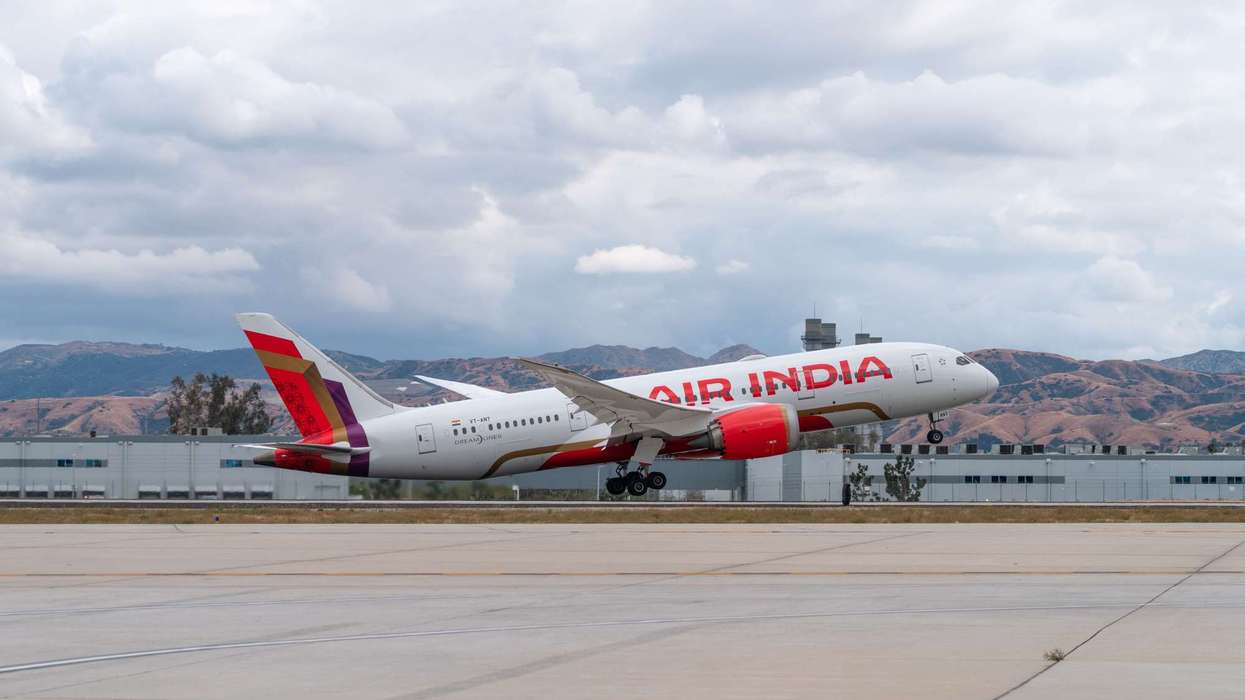
THE Singapore government has defended Singapore Airlines' (SIA) investment in Air India, telling parliament that the move gives the carrier deeper access to one of the world's largest aviation markets, even as returns from the deal may take time to materialise.
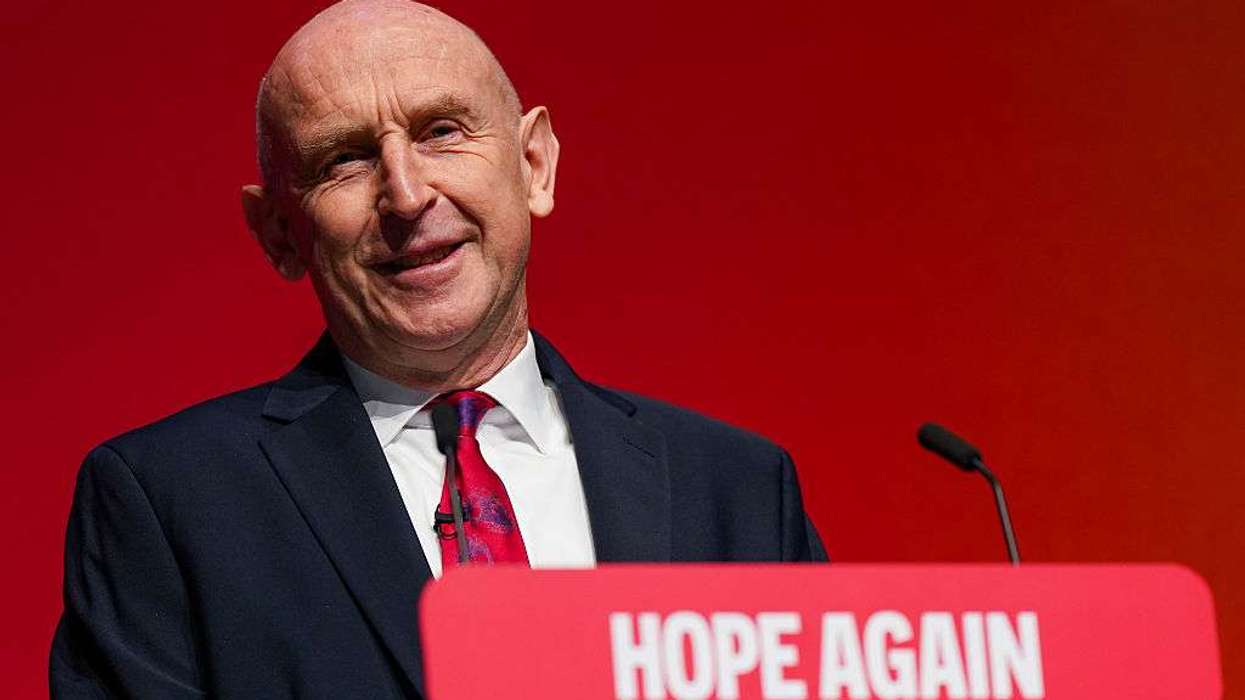
Singapore's minister of transport, Jeffrey Siow, made the remarks on Tuesday (8) in response to concerns raised by parliamentarian Kenneth Tiong Boon Kiat over SIA's continued financial exposure to the loss-making Indian carrier.
Singapore Airlines holds a 25.1 per cent stake in Air India, with Tata Sons holding the remaining shareholding after acquiring the airline from the Indian government in January 2022.
Siow told parliament that Singapore Airlines is a listed company that funds its investments from its own balance sheet and earnings. The airline holds more than SGD 10 billion (£5.79bn) in cash reserves and more than £1.74bn in undrawn credit facilities.
"SIA has not sought further capital from its shareholders. And if it were to do so, that would be a commercial matter between the company and its shareholders," the minister said, pushing back on suggestions that ordinary Singaporeans are indirectly funding the Air India investment.
Why SIA Is Betting on India
Siow explained that a large share of Singapore Airlines' traffic today consists of transfer or transit passengers. That further growth requires the airline to expand overseas since there is a natural limit to how many people will ever fly to and from Singapore.
However, he noted that breaking into foreign markets is rarely simple, as aviation is a "highly nationally sensitive sector" where air traffic rights and airport slots often depend on the strength of local partnerships.
Through its stake in Air India, Siow said, Singapore Airlines gains access to one of the largest aviation markets in the world by passenger traffic, along with a strategic base for onward connections to Europe and the Middle East.
"Many overseas returns will not necessarily emerge immediately," he said, adding that whether the specific investment ultimately proves valuable is a question for SIA and its shareholders to answer. He also maintained that SIA's ability to serve Singaporean travellers has not been adversely affected by the arrangement.
Temasek reiterates support
The comments follow similar remarks from Temasek, Singapore's sovereign wealth fund and a stakeholder in Singapore Airlines, which said on August 29 that it supports the airline's continued investment in Air India. Temasek described the Indian carrier's transformation as a "complex, multi-year" process involving significant operational and integration challenges.
"As the world's third-largest air transport market after the US and China, India is well-positioned to serve as this second hub," Temasek said, pointing to SIA's long-standing presence in the Indian market — including through its earlier operations via Vistara since 2013 — as grounds for deepening its involvement in India's aviation growth. Temasek added that, as a shareholder, it views the decision "from a long-term perspective" and remains supportive.
Reports last month indicated that Air India is planning to seek additional funding of around $1.5 billion. On August 27, Singapore Airlines said its board would carefully evaluate any such request, weighing it against the wider group's other capital requirements as well as Air India's broader business strategy.
The numbers behind the concern
The scrutiny comes against a backdrop of weakening financial performance at both carriers. Singapore Airlines Group's net profit fell 57 per cent to SGD 1.184bn (£685.5 million) in the fiscal year ended March 2026, a decline largely attributed to the absence of a one-off accounting gain linked to the Vistara merger the previous year, compounded by continuing losses at Air India.
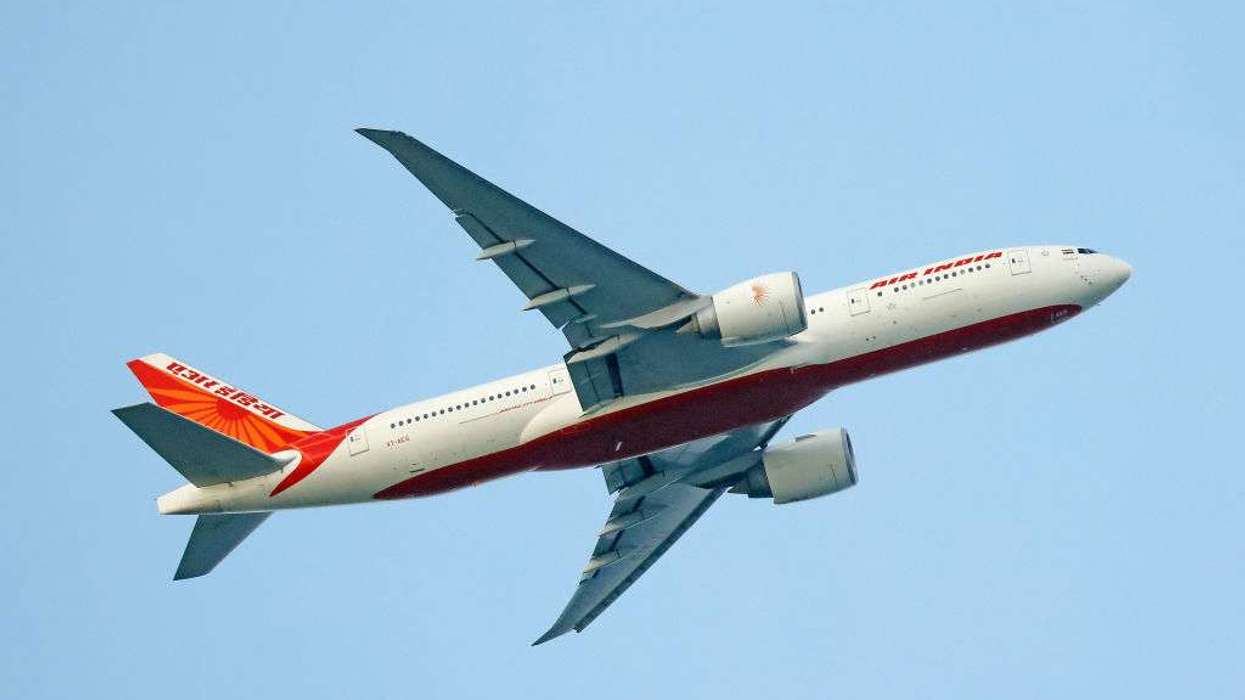
Air India itself posted a loss of more than £2.06bn in the same financial year, as the carrier continued to grapple with airspace curbs and other operational headwinds.
These figures were disclosed by Singapore Airlines Group in its annual financial report for 2025-26, released in May.