
- UK construction activity fell to its weakest level since November.
- Builders reported one of the sharpest jumps in costs on record in April.
- Supply chain delays linked to the Iran war added pressure across the sector.
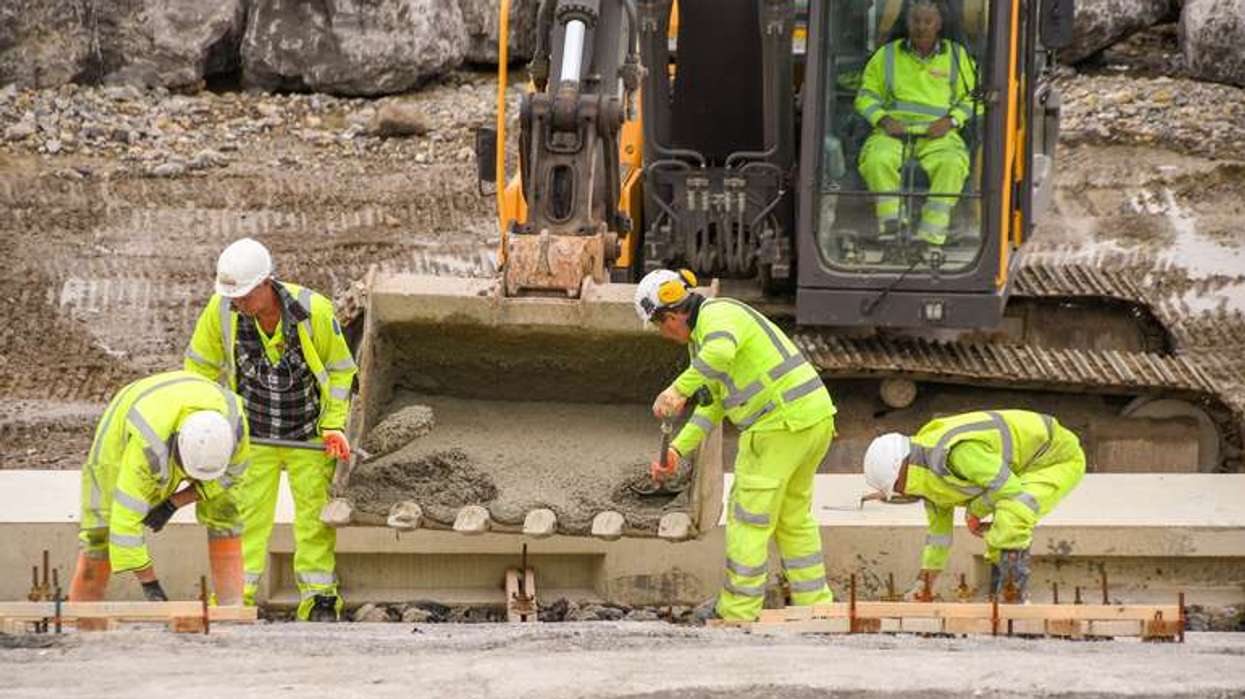
Britain’s construction sector suffered a sharp slowdown in April as rising costs, shipping disruption and uncertainty linked to the Iran war pushed builders deeper into contraction.
New industry data showed UK construction activity dropped to its weakest level in months, while companies reported one of the steepest increases in input costs since records began nearly three decades ago.
The latest S&P Global UK Construction Purchasing Managers’ Index fell to 39.7 in April from 45.6 in March, well below the 50 mark that separates growth from contraction. The reading also came in weaker than economists had expected.
At the same time, cost pressures accelerated rapidly across the sector. S&P Global’s measure of input cost inflation jumped to 81.4 from 70.5 in March, marking its highest level since June 2022 and one of the biggest month-on-month increases since the survey began in 1997.
Around 69 per cent of firms surveyed reported higher input costs in April, up sharply from 48 per cent a month earlier.
Fuel prices and shipping delays squeeze builders
Builders said rising fuel and transport costs were feeding through supply chains as disruption around the Strait of Hormuz continued to affect global shipping.
The conflict involving Iran has pushed up oil prices in recent months and created delays for cargo vessels travelling through one of the world’s busiest trade routes.
S&P Global said businesses reported the most widespread shipping delays since December 2022, with suppliers passing on higher transportation and energy costs.
Tim Moore reportedly said the pace of construction cost inflation seen in April was among the steepest recorded outside the post-pandemic surge between 2021 and 2022.
The pressure is now spreading across multiple parts of the construction industry. Civil engineering emerged as the weakest-performing area in April, while residential housebuilding and commercial construction activity also continued to decline.
Industry firms also reported weaker demand for new projects, with clients delaying spending decisions amid growing uncertainty over the global economy and Middle East tensions.
Hiring slows as confidence weakens
Construction companies also cut jobs at a faster pace during April as firms faced weaker workloads and higher payroll expenses.
The sector’s employment index dropped to its lowest level since December, reflecting growing caution among employers.
Business confidence for the year ahead also weakened as companies warned that rising borrowing costs, inflation fears and geopolitical instability could continue affecting investment decisions.
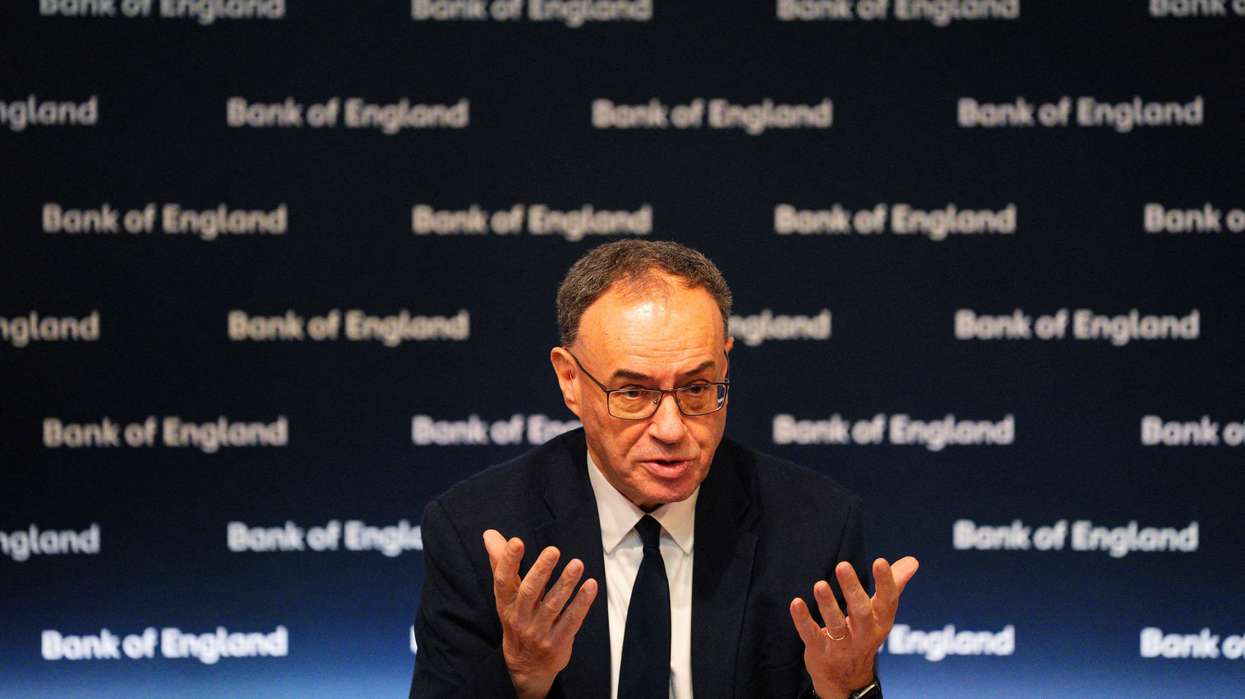
The figures are likely to draw attention from the Bank of England, which has been closely monitoring whether rising energy and supply chain costs linked to the Iran war could create longer-lasting inflation pressures across the wider economy.
Separate data released by the Royal Institution of Chartered Surveyors showed construction activity during the three months to March fell to its weakest level since the Covid-19 pandemic disrupted building sites in 2020.
Despite the sharp downturn in construction, the broader UK private sector showed some resilience. A wider survey covering services and manufacturing showed overall business activity returning to modest growth in April.