
UK's ECONOMY grew more than expected in February, before the start of the West Asia war, official data showed on Thursday, even as the outlook is expected to weaken due to the conflict.
Gross domestic product rose 0.5 per cent in February, up from 0.1 per cent in January, according to the Office for National Statistics (ONS). Forecasts had pointed to a smaller increase, with analysts expecting growth of 0.1 per cent and economists polled by Reuters predicting 0.2 per cent.
The February expansion was the strongest since January 2024 and suggests the economy was in a better position before the start of the Iran war than some economists had expected.
However, economists said the gains are likely to be tested by higher energy prices linked to the conflict, with Britain seen as exposed due to its reliance on imported energy and higher inflation compared with peers.
"Unfortunately, the latest energy price shock has likely pulled the rug on this momentum, with another year of above-target inflation and a softening labour market likely to come," said Fergus Jiminez-England, associate economist at the National Institute for Economic and Social Research.
The data provides support to the government led by prime minister Keir Starmer ahead of local elections next month, where his Labour party is forecast to face losses to Reform.
At the same time, the International Monetary Fund has cut its growth outlook for Britain, citing the impact of the West Asia war.
The IMF now expects the economy to grow 0.8 per cent in 2026, down from a previous estimate of 1.3 per cent published in January. Britain saw the sharpest downgrade among large rich economies.
Chancellor Rachel Reeves criticised the conflict earlier this week, calling it the "folly" of US president Donald Trump launching a war with Iran "without a clear exit plan".
Britain has not announced measures to support households facing higher fuel costs, which have risen since the war began on February 28.
Data from the Office for National Statistics showed that growth in the three months to February was 0.5 per cent, indicating a strong start to the year.
"Growth increased further in the three months to February, led by broad-based increases across services," ONS chief economist Grant Fitzner said.
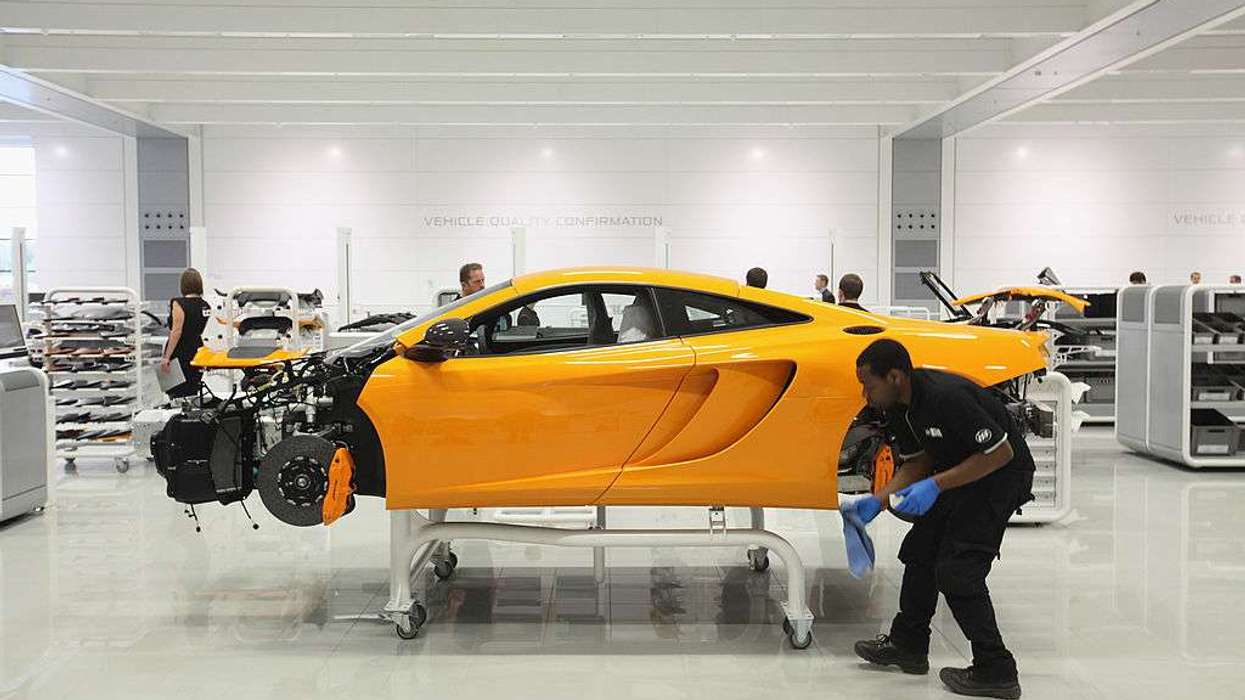
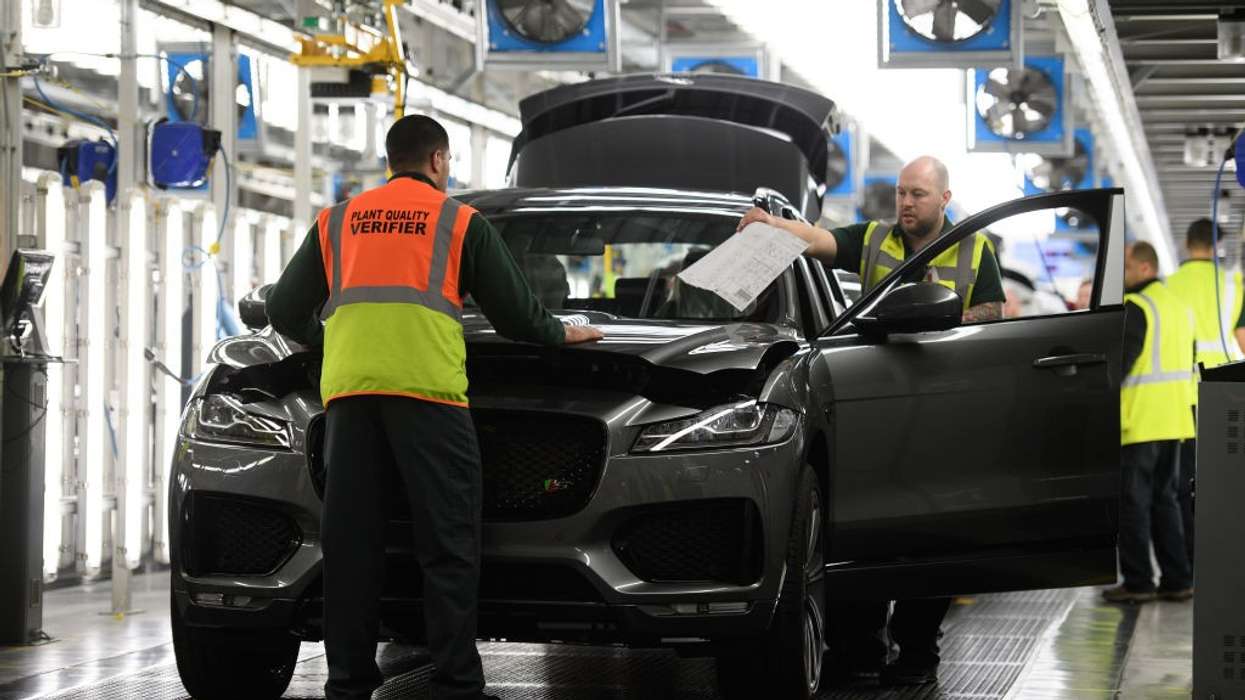
"Meanwhile, car production recovered from the effects of the autumn cyber incident."
Some economists have questioned whether the ONS’s seasonal adjustment methods fully reflect recent economic volatility following the COVID-19 pandemic, pointing to repeated strong first-quarter readings.
The ONS rejected the concerns.
"We're confident in our figures and seasonal adjustment processes," an ONS spokesperson said on Thursday, adding that statisticians had examined the issue.
James Smith, economist at ING, said he remained unsure about the adjustments and the timing of price increases.
"We wrote in our reaction to the January data that February or March could see a strong bounce back for exactly this reason," Smith said.
"Suffice to say, all of this is old news anyway, given the crisis we find ourselves in today."
(With inputs from agencies)