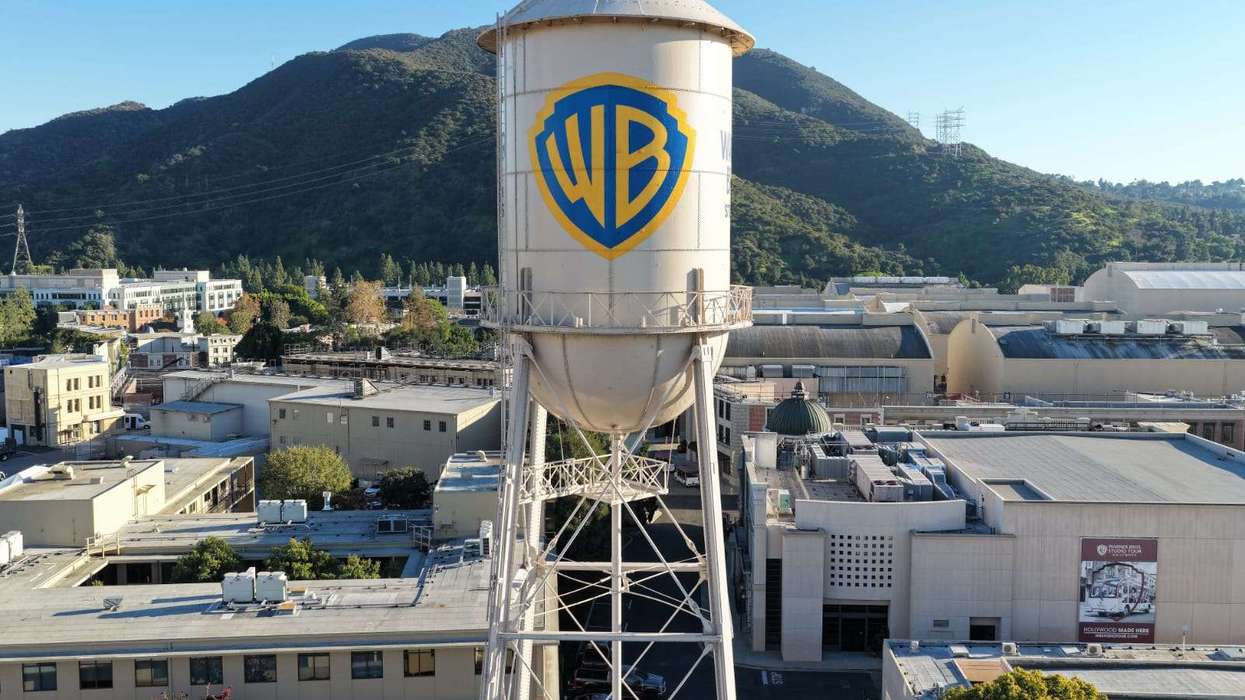

- The US Department of Justice has approved Paramount Skydance's £82.8bn ($111bn) takeover of Warner Bros Discovery.
- The merger would unite major brands including CNN, HBO, CBS, Paramount Pictures and Nickelodeon.
- State regulators, UK watchdogs and industry critics are still scrutinising the deal.
The proposed Paramount Skydance-Warner Bros Discovery merger has moved a step closer to reality after receiving approval from the US Department of Justice, clearing one of the biggest regulatory hurdles facing the £82.8bn ($111bn) deal.
The Paramount-Warner Bros merger, one of the largest media industry deals in recent years, would reshape the entertainment landscape by bringing together some of the world's best-known television networks, film studios and streaming businesses under a single corporate umbrella. However, despite the federal approval, the transaction remains under scrutiny in multiple jurisdictions and could still face legal challenges before it is completed.
In a statement announcing its decision, the Justice Department said it had carried out what it described as a rigorous review of the transaction and concluded that the merger was unlikely to harm competition or consumers. Regulators also reportedly said the combined company could increase competition across the media and entertainment sector.
One media giant gets even bigger
If completed, the deal would dramatically expand Paramount's reach across television, film, streaming and news.
The combined group would bring together Warner Bros Discovery assets including CNN, HBO, TBS, TNT, Turner Classic Movies, DC Studios and New Line Cinema with Paramount's existing portfolio, which includes Paramount Pictures, CBS, Showtime and Nickelodeon.
Supporters of the merger argue that traditional media companies are under increasing pressure from technology giants and streaming platforms, making consolidation necessary to compete for audiences and advertising revenue.
Paramount welcomed the Justice Department's decision, reportedly saying the transaction would create a stronger company better positioned to compete in an industry increasingly dominated by large technology platforms.
The deal follows Paramount's merger with Skydance in 2025, a transaction that resulted in workforce reductions of around 10 per cent as the company pursued cost savings.
Executives have suggested the Warner Bros acquisition could unlock billions of pounds in efficiencies and operational savings. However, those projections have also fuelled fears of further restructuring and job losses across the industry.
The merger has attracted criticism from filmmakers, journalists, labour groups and politicians concerned about growing concentration within the media industry.
More than 1,400 actors, directors and filmmakers signed an open letter opposing the deal earlier this year. The group reportedly argued that further consolidation would reduce opportunities for creators, eliminate jobs and leave audiences with fewer choices.
Journalists at CNN and CBS have also reportedly expressed concerns about the potential integration of the two news organisations. Industry observers have speculated that overlapping operations could eventually lead to newsroom restructuring and staff reductions.
The political dimension of the deal has added another layer of controversy. David Ellison, who leads Paramount, is the son of billionaire Larry Ellison, a long-time ally and donor to President Donald Trump.
Some critics have questioned whether ownership changes could influence editorial direction at major news outlets. David Ellison has reportedly stated that CNN's editorial independence would be protected if the merger proceeds.
Critics remain unconvinced. Craig Aaron, co-chief executive of media advocacy group Free Press, reportedly argued that concentrating such a large collection of media assets under one company could weaken competition, reduce jobs and affect news coverage.
Democratic Senator Elizabeth Warren, another vocal opponent of the merger, reportedly described the approval as concerning and questioned the influence wealthy media owners could wield over public information.
The deal isn't over yet
Despite federal approval, the merger still faces several significant obstacles.
California Attorney General Rob Bonta continues to investigate the transaction and has not ruled out legal action. Bonta reportedly said the merger remains under review and is not yet a completed deal.
Outside the US, regulators are also taking a closer look. The UK's Competition and Markets Authority has launched an investigation to determine whether the merger could substantially reduce competition in Britain. The watchdog has set an August 7 deadline to decide whether a more detailed inquiry is needed.
Meanwhile, European regulators are reportedly examining the financing behind the acquisition, including commitments from Gulf sovereign wealth funds that have pledged roughly £17.9bn ($24bn) towards the transaction.
For now, Paramount has secured one of the approvals it needed most. Yet with political scrutiny intensifying, state-level investigations continuing and international regulators still reviewing the proposal, the battle over who controls some of the world's most influential media brands appears far from settled.