
Highlights
- NSE IPO is valued at up to £1.76bn
- NSE’s listing plans have been delayed since 2016
- It is India’s second-largest public share sale
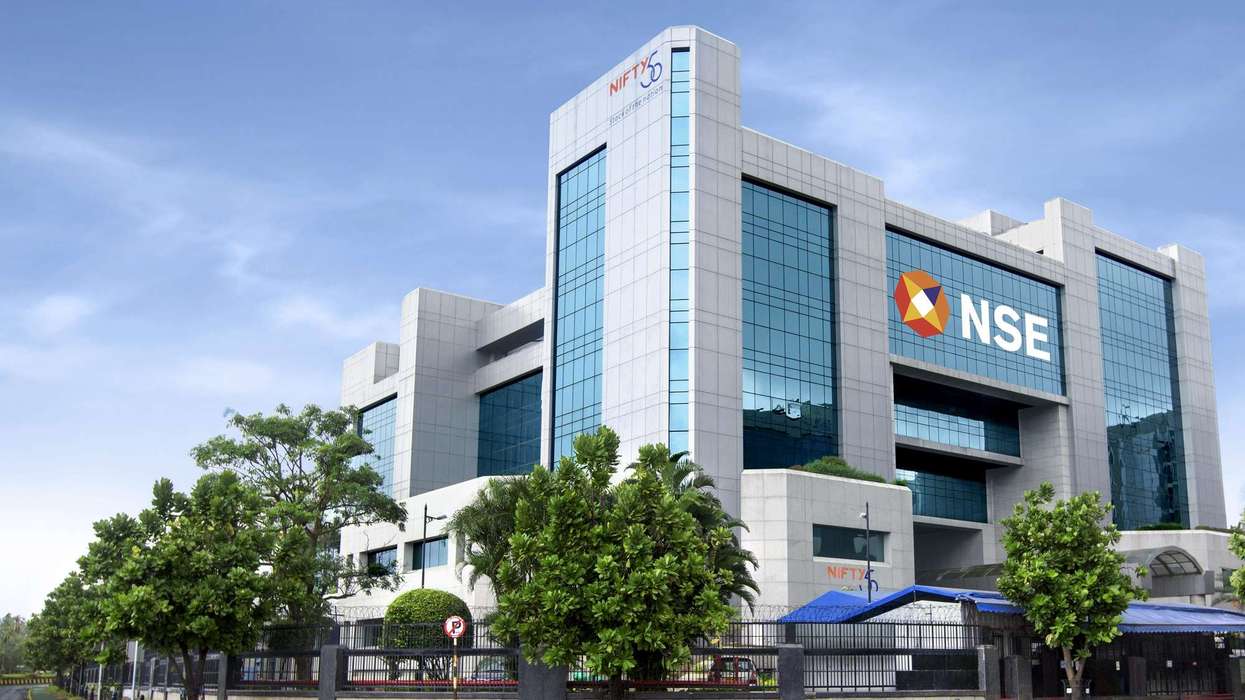
INDIA’s National Stock Exchange (NSE) has opened its shares to the public for the first time, ending a decade-long wait for one of the country’s most closely watched stock-market listings.
The IPO is worth up to about £1.76 billion, making it India’s second-largest public share sale after Hyundai Motor India’s £2.17bn listing in 2024.
The offering opened on Thursday (17) and had received bids for about 8.2 million shares in the opening hours, according to Bombay Stock Exchange data.
NSE has set a price band of Rs 1,700 to 1,785, equivalent to about £13.22 to £13.88 per share. The issue closes on September 21, and the shares are expected to begin trading on September 24.
A long-awaited market debut
NSE’s public offering is an offer for sale, meaning existing shareholders are selling part of their holdings. The exchange itself is not issuing new shares and will not receive any of the money raised. The shares being sold include holdings of State Bank of India, insurance companies and investment funds.
The size of the offering was reduced by more than 15 per cent from the original plan, with up to 126.4 million shares now being offered instead of nearly 149 million.
NSE had originally expected to raise about £2.3bn, but the lower price band and reduced number of shares brought the maximum value of the issue down.
The exchange has also attracted major institutional investors. It raised about £525 million from anchor investors before the public offering, with participants including Life Insurance Corporation of India, Goldman Sachs, Fidelity, Singapore’s GIC, the Abu Dhabi Investment Authority and Norway’s Norges Bank.
Investors weigh growth against risks
NSE operates the market where most Indian shares are traded and has benefited from a rapid increase in retail participation as more Indian households have moved into equities through online trading platforms.
The exchange is also the world’s largest derivatives exchange by the number of contracts traded.
However, changes to regulations around derivatives trading have raised concerns about future growth. Indian regulators have tightened rules around options trading amid concerns about losses among individual investors
.NSE’s dependence on derivatives is significant. Reuters reported that 80 per cent of its revenue comes from trading, with options accounting for about 60 per cent of that trading revenue. Options volumes have fallen from their 2024 peak.
Its benchmark Nifty 50 index has also fallen by more than 11 per cent this year, according to latest data.Despite the challenges, analysts see the listing as an important test of investor appetite for India's financial sector.
“This is a mega IPO which will be followed by another mega IPO, Jio Platforms,” Gaurav Dua of Standard Chartered Securities told the BBC.
He said the two large listings could put short-term pressure on the wider market by drawing money away from already-listed companies.
A decade-long wait
NSE first sought approval to list in 2016, but its plans were delayed by regulatory investigations linked to alleged governance failures and the so-called co-location controversy.
Senior officials were accused of allowing some brokers faster access to the exchange’s trading system, potentially giving them an unfair advantage.
The long-awaited listing comes as India’s IPO market looks to regain momentum after a slower first half of the year, when market volatility and geopolitical tensions led some companies to postpone plans.
NSE’s listing is also expected to be followed by the IPO of Jio Platforms, backed by billionaire Mukesh Ambani.