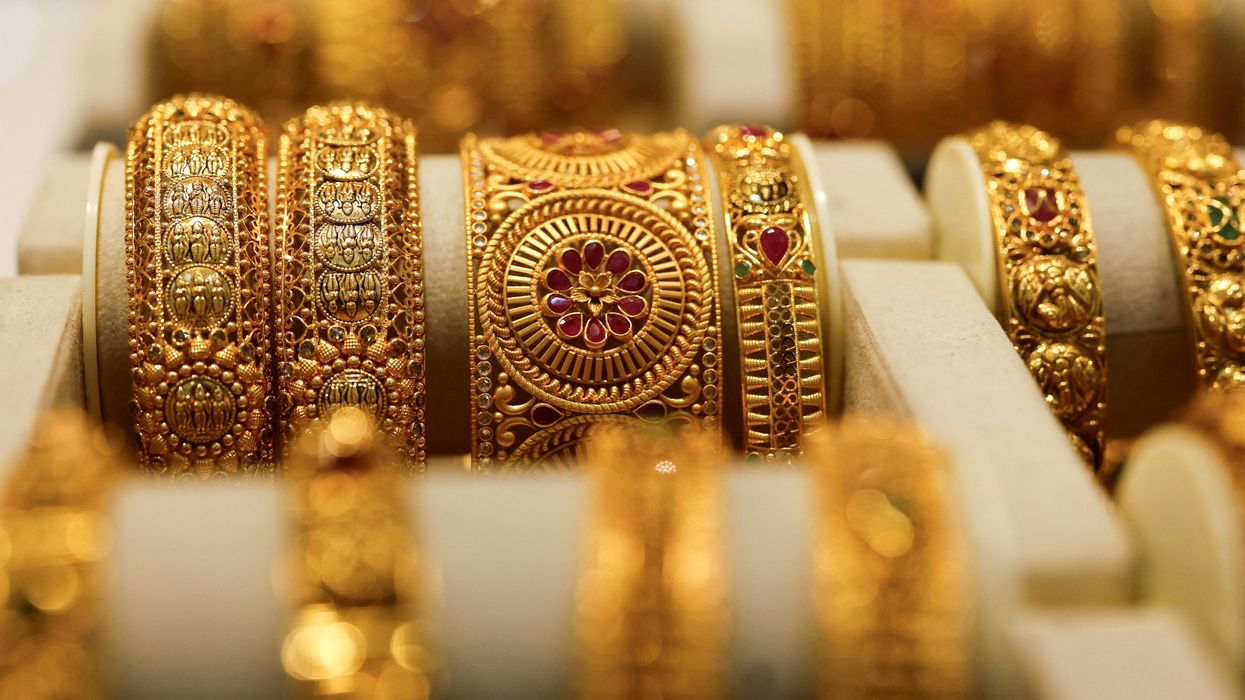

INDIA’s £24 billion gems and jewellery industry is preparing for a sharp decline in exports as the US imposes a 26 per cent tariff on Indian goods.
Industry officials said this would significantly affect sales to the US, India’s largest jewellery market.
“The tariff is higher than expected,” said Colin Shah, managing director of Kama Jewelry, one of India’s leading diamond jewellery manufacturers. “It is quite severe and will affect exports.”
India is the world’s largest hub for diamond cutting and polishing, processing nine out of every ten diamonds globally.
The US accounts for nearly £7.6 billion, or 30.4 per cent, of India’s annual gems and jewellery exports.
Jewellery is India’s third-largest export sector to the US after engineering and electronic goods. The industry employs millions in India.
Exports have already been affected by weak demand from China, leading to a 14.5 per cent decline in total jewellery exports to £24.6 billion in the 2023-24 financial year.
A long-term trade agreement with the US could help offset the impact, Shah said.
India and the US are in discussions to finalise an early-stage trade deal.
“We are hopeful that India could land a trade deal with the US in the next few months,” said Shaunak Parikh, vice chairman of the Gem and Jewellery Export Promotion Council (GJEPC).
“We just need to push through this tough phase for a little while longer.”
(With inputs from Reuters)