
Skip to content
Search

Latest Stories

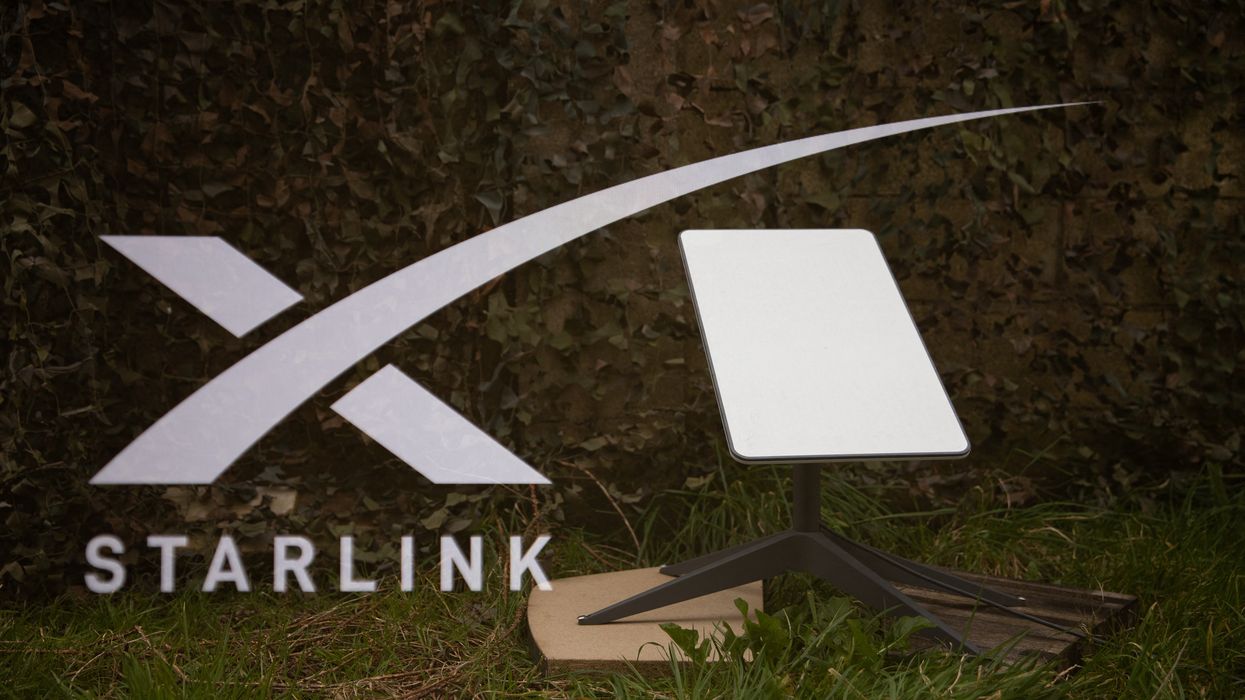
Starlink gets final clearance to launch in India

The company has been waiting since 2022 for licences to start operations in India. It received an initial approval last month from India’s telecom ministry and was waiting for clearance from the space regulator.

Starlink

Starlink will next need to acquire spectrum from the government, build ground infrastructure, and carry out testing and trials to meet the agreed security requirements. (Photo: Reuters)

Reuters

INDIA’s space regulator on Wednesday granted Starlink a licence to begin commercial operations in the country, removing the final regulatory barrier for the satellite internet provider.

The company, led by Elon Musk, has been waiting since 2022 for licences to start operations in India. It received an initial approval last month from India’s telecom ministry and was waiting for clearance from the space regulator.


The licence, issued by the Indian National Space Promotion and Authorization Centre (IN-SPACe), is valid for five years.

Earlier on Wednesday, Reuters reported, citing sources, that Starlink had secured the licence from IN-SPACe.

Starlink is now the third company to receive approval to enter the Indian satellite communications market. India has previously cleared applications from Eutelsat’s OneWeb and Reliance Jio.

The company will next need to acquire spectrum from the government, build ground infrastructure, and carry out testing and trials to meet the agreed security requirements.

Musk and Reliance Jio’s Mukesh Ambani had disagreed for several months over how spectrum should be allocated for satellite services. The Indian government later supported Musk’s position that spectrum should be assigned, not auctioned.

(With inputs from Reuters)

More For You

UK Food Prices

Supermarkets have been increasingly vocal about what they describe as “policy costs” building up across the sector.

iStock

Lower food prices or sustainability? The dilemma facing UK shoppers

  • A £2bn packaging tax is under review amid inflation fears.
  • Retailers warn costs could add £56 a year to household bills.
  • Food inflation could rise as high as 9–10 per cent this year.

The UK government is reviewing its sustainable packaging tax, known as the Extended Producer Responsibility (EPR) scheme, as pressure builds over rising food prices in the UK. The move comes as retailers warn that the policy, designed to make businesses pay for packaging waste, could push grocery bills higher at a time when inflation risks are already returning.

At the centre of the debate is a simple question: should environmental policy come ahead of affordability, or can both realistically move together?

Keep ReadingShow less