
India's foreign minister arrives in Colombo on Thursday following his country's backing of Sri Lanka for a $2.9 billion International Monetary Fund (IMF) loan, leaving China as the island's last remaining major creditor which has yet to agree to the debt restructuring plan.
India has told global lender IMF that it strongly supports Sri Lanka's debt restructuring plan, with Colombo owing around $1 billion to its nearest neighbour.
But Sri Lanka requires the backing of both China and India - its biggest bilateral lenders - to reach a final agreement with the IMF on the loan that is essential to help the country of nearly 22 million people emerge from its worst financial crisis in seven decades.
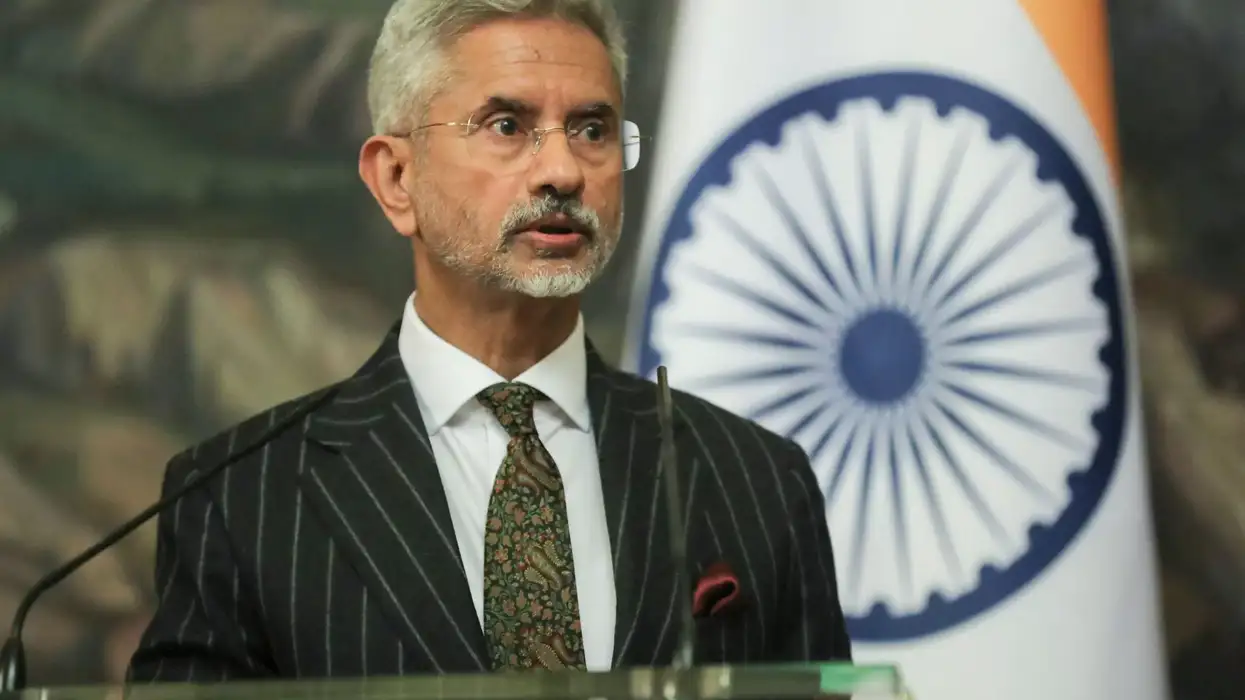
During his two-day visit, his third to Sri Lanka since 2021, minister Subrahmanyam Jaishankar will look to strengthen India's ties with its debt-ridden neighbour and sign several key deals.
The two countries are also expected to sign a Memorandum of Understanding for a renewable power project covering three islands in Sri Lanka's north during Jaishankar's visit, two sources at Sri Lanka's power and energy ministry said.
The project stoked controversy last year as it was initially awarded to a Chinese company before India stepped in to secure them.
Jaishankar will meet Sri Lanka's president on Friday morning, his office confirmed. He will also hold discussions with Sri Lanka's prime minister and foreign minister, according to a statement from India's foreign ministry.
Sri Lanka owed Chinese lenders $7.4 billion - nearly a fifth of its public external debt - by the end of last year, according to calculations by the China Africa Research Initiative. China is Sri Lanka's largest bilateral lender.
New Delhi separately provided Sri Lanka with about $4 billion in rapid assistance between January and July last year, including credit lines, a currency swap arrangement and deferred import payments.
The two Asian giants, which have jostled for influence over Sri Lanka for decades, are also the island nation's biggest trading partners, accounting for about $5 billion each in bilateral trade in 2021.
"China's assurances are the only thing that is pending," said Sanjeewa Fernando head of research at CT CLSA Securities.
"We were expecting India to give financing assurances and now that they have there is no value in China delaying giving assurances. We expect that China will also give assurances soon. China delaying here will not get them any benefits from the international community."
Japan is Sri Lanka's third significant bilateral lender but is part of the Paris Club creditor nations and has expressed support for Colombo in its debt restructuring plan.
The United States welcomed India's support for Sri Lanka for the prospective IMF loan.
"The U.S. stands ready to assist Sri Lanka to unlock IMF assistance when all creditors agree to fair and equitable treatment," Julie Chung, the U.S. ambassador to Sri Lanka, said in a tweet on Thursday.
- Reuters





 Sanjoy K Roy speaks during the eventEastern Eye
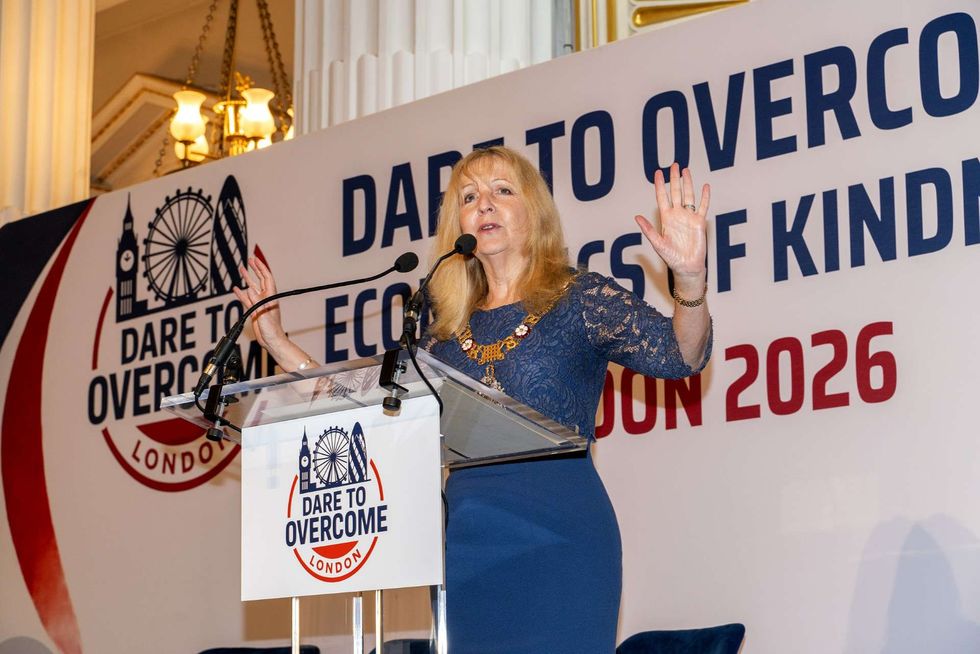 Dame Susan Langley, Lady Mayor of the City of London, speaks during the eventEastern Eye
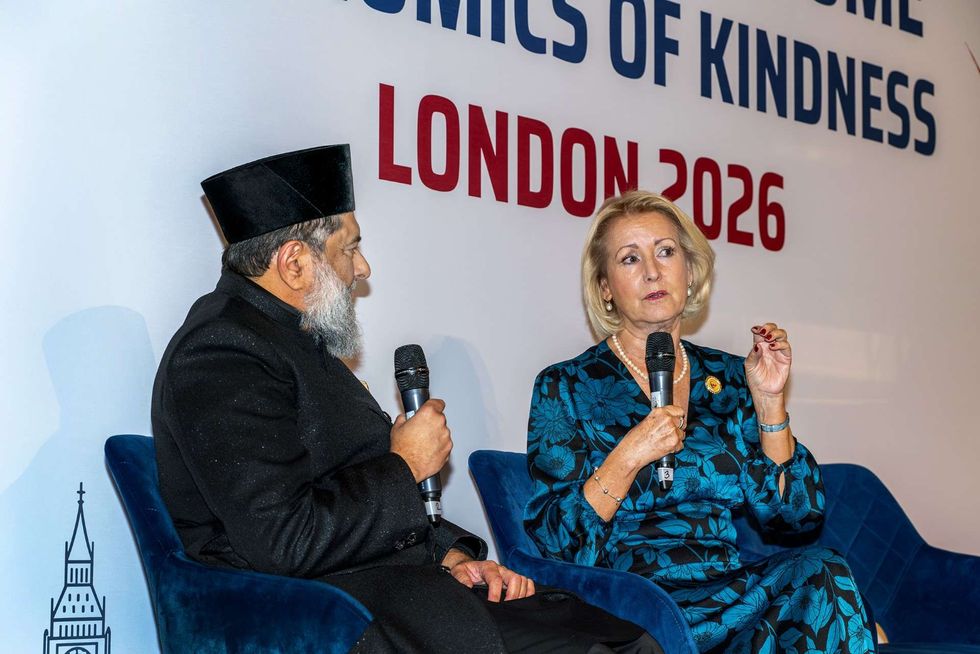 Dame Elizabeth Corley with Shaykh Ibrahim Mogra, Chaplain, Canary Wharf Multifaith ChaplaincyEastern Eye