The International Cricket Council (ICC) has agreed “in principle” to reverse the 2014 decision which effectively put India, England and Australia in control of the game’s finances and administration.
Unsurprisingly, the influential the Board of Control for Cricket in India (BCCI) voted against the new proposal after failing to defer the vote in a three-day ICC board meeting that concluded in Dubai on Saturday.
Vikram Limaye, representing BCCI at the meeting, sought to defer the vote on the proposal until the next meeting in April, saying his body had had insufficient time to evaluate it.
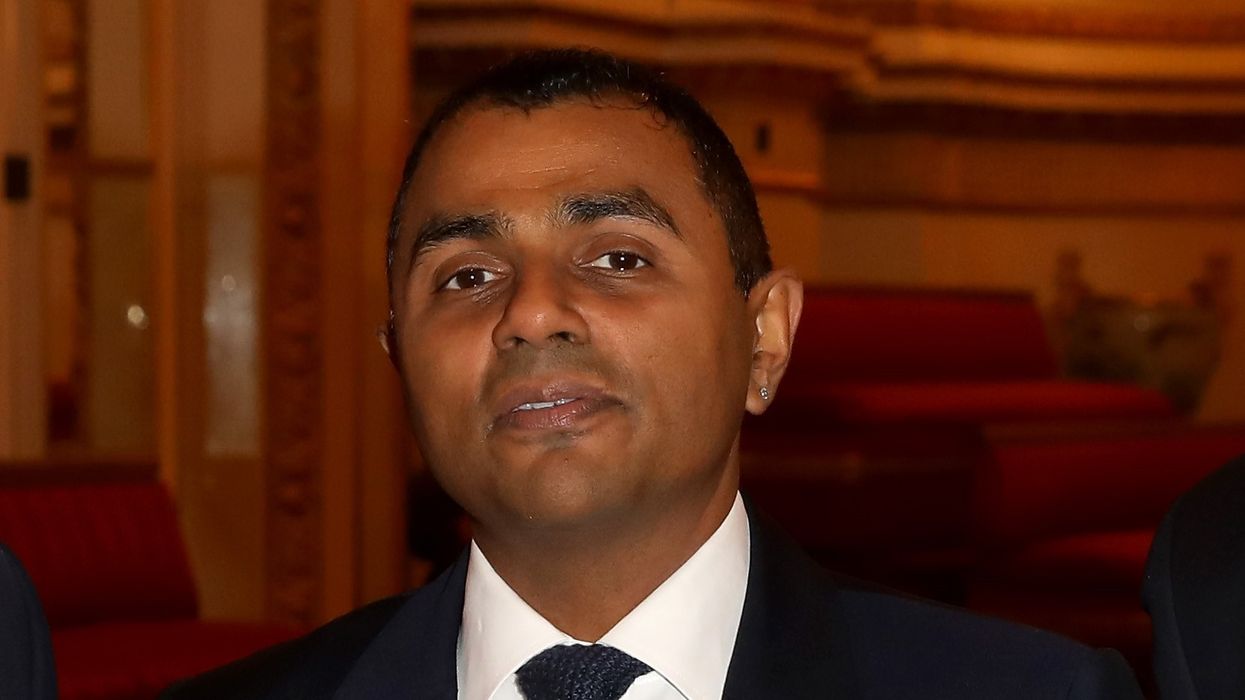
Limaye, a financial executive, is one of the four administrators named by India’s top court on Monday to run BCCI as part of administrative reforms imposed on the world’s richest board.
The ICC board will take a final decision on a new financial model and governance structure at the April meeting, the governing body said in a statement.
“Today was an important step forward for the future of the ICC and cricket around the world,” the ICC’s Indian chairman Shashank Manohar said in a statement.
Former BCCI president Manohar has been critical of the 2014 changes, which he felt allowed the three major countries to bully the ICC.
“I want the ICC to be reasonable and fair in our approach to all 105 Members and the revised constitution and financial model does that,” he added.
“There are still details to work through and concerns to be addressed, but the principle of change is agreed and not for debate,” said the 59-year-old lawyer, who led the working group which prepared a new constitution.
The proposed governance structure includes a new revenue distribution model, which seeks to address the current imbalance favouring the ‘Big Three’.
The three-day meeting in Dubai also proposed a nine-team test league, a 13-team one-day league and advocated a regional qualification process for the World Twenty20.
The governing body is also considering test cricket status for Ireland and Afghanistan, provided they meet full membership criteria.
The chief executives committee agreed to extend the Decision Review System (DRS) to World Twenty20 matches, giving a level of consistency in the use of technology across international cricket.
The same committee also authorised the governing body to amend its anti-corruption code to permit the use of cell phone data extraction equipment.


 Actress Bella Thorne and Charlie Puth attend the Y100's Jingle Ball 2016Getty Images
  Bella Thorne's commentInstagram Screengrab
  Charlie Puth performs onstage at an interactive global eConcert liveGetty Images
  Bella Thorne and Mark Emms attend a red carpet for the movie "Priscilla"Getty Images
 Charlie Puth and Brooke Sansone attend the 10th Breakthrough Prize CeremonyGetty Images