
Have you ever been in a rut with your health and fitness? Perhaps you’ve lost the zest for life and don’t feel like yourself. Or maybe you don’t have time to get to the gym, but you’d like to feel fitter, healthier, and more energised? Most of us have been there. And I know from experience how deflating it feels to get stuck in a fitness rut.
It happened during the lockdown when I lost all motivation to exercise, and the perimenopause started. Walking up and down the stairs was exhausting and my go-to comfort was eating bhajia, samosas, or cake.
Luckily, I stumbled across an online 75-day exercise program that gradually increases your fitness levels. Some of the testimonials were mind-blowing of how it had helped people to manage type-2 diabetes, improved their mental health as well as reached their weight loss goals. What made it more appealing was, you could train in the comfort of your own home to fit around work and family.
I registered for the beginner’s program and haven’t looked back since. There are more challenging ones so all fitness levels can participate, but it was reassuring to start at the bottom and that the exercise was going to step up gently.
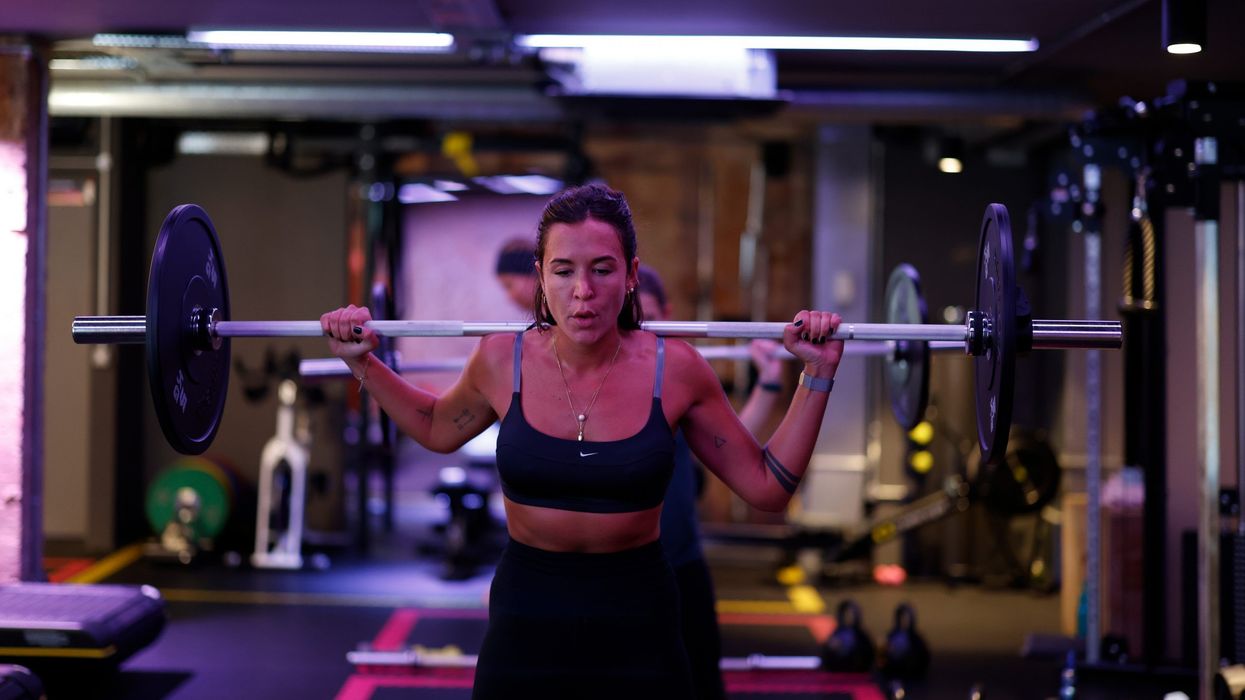
You start off with 10 push-ups and some abdominal exercises like planks, which gradually increase as does your strength. And you have a weekly fitness challenge to do, which gets your body moving and the feel-good endorphins flowing. The exercises are based on high-intensity interval training (HIIT) and take up to 20 minutes using battle ropes, and your body weight.
You can easily do this program at home, especially if you have a busy schedule and I did most of mine in the kitchen, garden, or living room.
The food plan is great. You’re eating plenty of healthy food. For example, in a day you might have eggs for breakfast, a smoothie mid-morning, a jacket potato with bean chilli or tuna for lunch, banana cookies for your afternoon snack, dhal, chicken or prawn curry in the evening, and then strawberry or mango ice cream for your evening snack. There are so many delicious recipes, and you can create your own menu too.
Instead of weighing, you take a weekly photo to monitor your progress. Week by week, you feel happier, healthier, more energised, toned, and stronger in mind and body.
This alongside acupuncture is really helping to manage perimenopause symptoms without touching HRT. And is helping to prevent type-2 diabetes, which is so prevalent in south Asian people. We are two to four times more likely to develop type-2 diabetes according to NHS England and the health complications can be serious, such as loss of sight or limbs, heart disease, stroke, and kidney disease. Plus, you join a supportive online community of coaches who inspire, support and motivate you when you need that extra encouragement. I recently joined the coaching team to help people lead healthier lives and it’s re[1]warding to see them feeling healthier and fitter.
So, if you’re stuck in a health and fitness rut, please don’t lose hope, there are so many ways to get back on track including trying online fitness programs.