
- Google Maps is displaying petrol and diesel prices at UK forecourts for the first time.
- Drivers can compare nearby prices using data from the government’s Fuel Finder scheme.
- The government estimates that households with a car could save around £40 a year by shopping around.
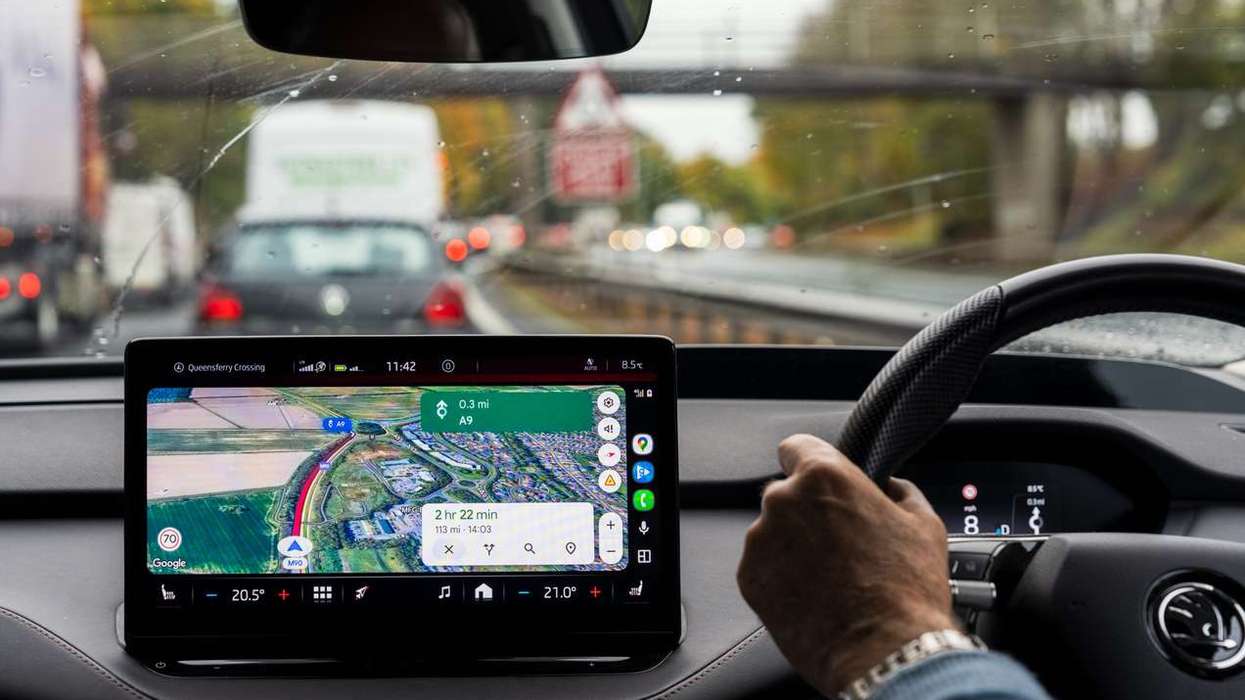
Google Maps has launched a new UK fuel price feature, allowing drivers to check near real-time petrol and diesel prices at nearby forecourts directly through the navigation app.
The feature went live on Thursday, October 8, using data from the government’s Fuel Finder scheme. Drivers can search for nearby petrol stations on Google Maps and see their reported fuel prices alongside their locations.
The move comes as petrol and diesel prices remain under pressure, with the ongoing conflict in the Middle East contributing to higher fuel costs. The government estimates that comparing prices could save a household with a car around £40 a year.
For drivers making regular journeys, the saving could add up without requiring a change of vehicle or driving habits. The idea is simply to make it easier to spot a cheaper forecourt before filling up.
How does Google Maps’ new fuel price feature work?
Google Maps is using information supplied through Fuel Finder, the government’s open-data scheme designed to make petrol and diesel prices easier to compare.
Since February 2026, UK forecourts have been legally required to report fuel prices to Fuel Finder within 30 minutes of a price change. The Competition and Markets Authority can take enforcement action where retailers do not comply.
The scheme covers around 97 per cent of UK petrol stations, accounting for an estimated 99 per cent of fuel sold on UK roads, according to the CMA's latest monitoring.
Fuel Finder data was already being used by services including Waze, Petrol Prices, the AA, Confused.com and RAC Fuel Watch. Google Maps now brings the information to a much larger audience.
Google says motorists can search for fuel stations in the app and compare prices before deciding where to stop.
Sarah-Jayne Williams, Google's director of global product partnerships for Geo, said the integration would give drivers “visibility on nearby pump prices”, helping them make choices that could stretch their budgets further.
Google Maps is used by a large proportion of Britain's population for navigation, meaning the feature could put fuel-price comparisons in front of millions of motorists who may not use dedicated fuel comparison apps.
How much can drivers actually save?
The government estimates that households with a car could save around £40 a year by comparing prices and choosing cheaper fuel.
The potential saving comes at a particularly difficult time for motorists. Diesel recently passed £2 a litre, while petrol prices have also remained elevated.
The government says the Fuel Finder scheme is intended not only to help individual motorists find cheaper fuel but also to increase competition between forecourts. The CMA has previously argued that better price transparency could encourage drivers to shop around and put downward pressure on prices.
But motorists should not assume that every price displayed on an app will always match the pump.
Some industry experts have raised concerns about the accuracy and completeness of Fuel Finder data. PetrolPrices director Clare Lafferty said the company still supplements the government's feed with other data sources because it does not yet provide the coverage and accuracy needed for a completely reliable service.
She said PetrolPrices had identified around 200 forecourts in September that it believed had not updated diesel prices within the required timeframe.
Google, however, says it will apply its own checks.
Williams said accuracy was “very important” and that Google would only display a fuel price when it had a high level of confidence that the information was current. If it could not establish that, the station could still appear on the map but without a fuel price.
That means drivers can use Google Maps as a quick way to compare nearby options, but should still check the price displayed at the forecourt before buying.
The government says the wider aim is to make fuel pricing more transparent at a time when petrol and diesel are essential expenses for many households and businesses.
With around 99 per cent of fuel sold on UK roads now covered by Fuel Finder data, the new Google Maps integration could make comparison shopping much more routine.
For motorists, the benefit is relatively simple: check the price before you drive to the pump, and a few pence saved per litre could gradually turn into meaningful savings over a year.