Skip to content
Search

Latest Stories

Submit Guest Post

Geoffrey Boycott diagnosed with cancer for second time

Boycott, 83, learned last week that the cancer had returned after previously being treated for the illness in 2002 with chemotherapy and radiotherapy.

Geoffrey Boycott diagnosed with cancer for second time

Geoffrey Boycott, the former England cricket player, announced on Tuesday that he has been diagnosed with throat cancer for the second time and will undergo surgery.

Boycott, 83, learned last week that the cancer had returned after previously being treated for the illness in 2002 with chemotherapy and radiotherapy.


Boycott will have an operation to remove the cancer in two weeks.

In a statement to Britain's Daily Telegraph, where he is a columnist, Boycott said, "In the last few weeks I have had an MRI scan, CT scan, a PET scan and two biopsies and it has now been confirmed I have throat cancer and will require an operation. From past experience, I realise that to overcome cancer a second time I will need excellent medical treatment and quite a bit of luck and, even if the operation is successful, every cancer patient knows they have to live with the possibility of it returning. So I will just get on with it and hope for the best."

Boycott is one of a few cricketers to have scored 100 first-class centuries.

For England, he scored over 8,000 runs in 108 Tests at an average of nearly 48. He also captained England in four Tests in 1978 in place of the injured Mike Brearley.

After his 24-year first-class career ended with Yorkshire sacking him in 1986, Boycott became a newspaper columnist and a broadcaster, gaining a global fan base. He was particularly popular in the Indian sub-continent.

In 2020, his 14-year stint as a commentator on BBC Radio's Test Match Special ended.

Boycott said at the time that the quadruple heart bypass surgery he underwent in 2018, along with the coronavirus pandemic, were factors in his decision to end his BBC career.

(With inputs from AFP)

Add EasternEye As Your Trusted Source
preferred source on google news

More For You

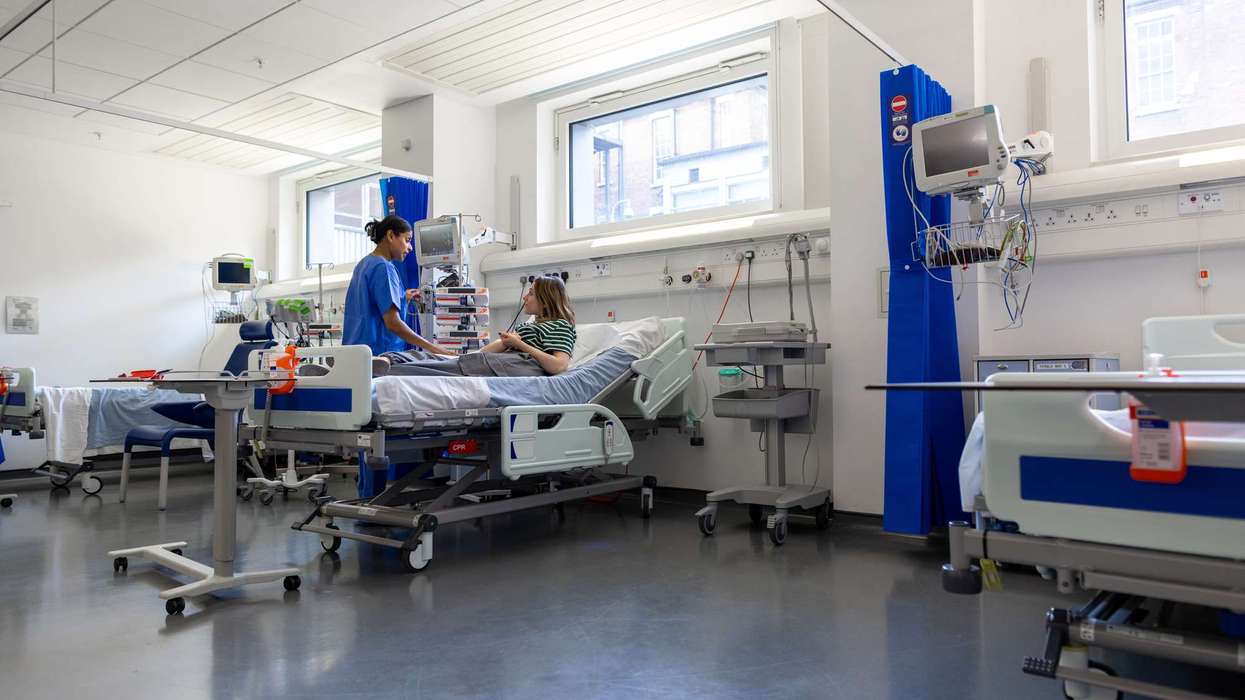
Migrants pay 60% more into NHS than their healthcare costs, analysis finds

The Immigration Health Surcharge is a fee that most people applying for eligible UK visas must pay as part of their immigration application. It is intended to contribute towards the cost of healthcare during their stay in the country.

Migrants pay 60% more into NHS than their healthcare costs, analysis finds

Highlights:

  • Migrants paying the IHS contributed at least 60% more to NHS finances than their estimated healthcare costs in 2023/24, including standard tax contributions.
  • The annual surcharge has risen from £200 to £1,035 for most visa applicants.
  • IHS revenue peaked at almost £2.5 billion in 2024/25.
  • The surcharge now accounts for more than 1 per cent of the NHS budget.
  • Revenue fell to £2.3 billion in 2025/26 as immigration numbers declined.
  • Around one-fifth of the NHS workforce comes from overseas, according to the Nuffield Trust fellow quoted in the report.

  • Migrants who pay to live and work in the UK are contributing substantially more to NHS finances than the estimated cost of the healthcare they receive, according to new analysis by the Nuffield Trust. The findings have reignited debate over immigration, healthcare funding and the purpose of the Immigration Health Surcharge (IHS).

    Keep ReadingShow less