
- Around one million customers across Hampshire and the Isle of Wight will be placed under a hosepipe ban from July 10.
- Southern Water says the River Test has fallen to critically low levels after the UK's record heatwave and an exceptionally dry spring.
- The restrictions could remain in place until autumn unless there is significant and sustained rainfall.
Britain may be famous for its rainy weather, but the country's recent record-breaking heatwave has left parts of southern England facing a very different problem. Around one million people across Hampshire and the Isle of Wight will come under a hosepipe ban from July 10 as water supplies come under growing pressure.
The restrictions, announced by Southern Water, follow the warmest spring on record and a spell of extreme temperatures that pushed parts of the UK to 37C last week. Although cooler weather has since arrived in some regions, Southern Water says river levels remain too low to support normal water demand.
The heat may have eased, but the pressure hasn't
At the centre of the concern is the River Test, which supplies most homes and businesses in Hampshire and the Isle of Wight. Southern Water said the river has fallen to a critically low level after receiving only about one-third of its normal flow during June.
Tania Flasck, the company's director of water operations, reportedly said the drop in river flow was much greater and much faster than forecast, leaving the company with little option but to introduce temporary restrictions, as quoted in a news report.
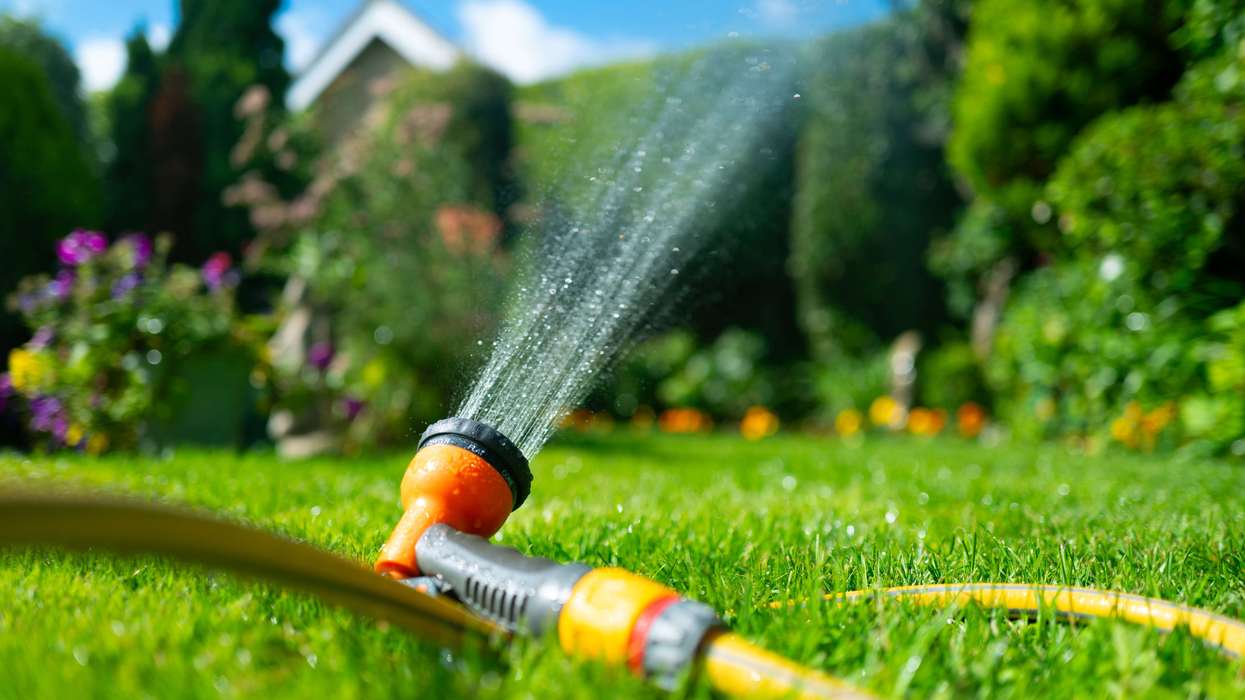
Customers are being urged to stop using hosepipes immediately, even before the ban takes effect, to reduce pressure on the network. Once the restrictions begin, households will be expected to use watering cans or buckets instead of hosepipes for activities such as watering gardens, washing cars and filling paddling pools.
Southern Water said the restrictions are likely to remain until autumn unless the region receives significant and sustained rainfall.
The move follows a similar ban introduced by South East Water for customers in Kent, raising concerns that more areas could face restrictions if dry conditions continue.
A warning that goes beyond one summer
The latest ban marks the second consecutive year that Southern Water has imposed temporary restrictions, the first time it has done so in successive summers. Last year's ban lasted from mid-July until the end of October.
The company said it has reduced leakage by a record 27 million litres of water a day and repaired 2,840 leaks since January. It is also investing in what it describes as the UK's first new reservoir in 30 years, which it says will help end water abstraction from the River Test and the nearby River Itchen by 2040.
Environmental groups, however, say the situation highlights the growing pressure on southern England's chalk streams.
Paul Vignaux, executive director of the Test and Itchen Association, reportedly said lower river flows increase water temperatures and concentrate pollution, making it harder for fish and other wildlife to survive. He added that drawing water from rivers and underground aquifers also reduces the amount of water available for nature, as quoted in a news report.
While parts of northern England and Scotland have seen rain in recent days, forecasters say southern England is expected to remain much drier. Without prolonged rainfall, water companies warn that the effects of the UK's recent heatwave could continue to be felt long after temperatures have returned to normal.