
THIS year's prestigious Turner Prize is shared by all four shortlisted artists after they formed a collective to show solidarity at a time of global "political crisis", in a shock win announced on Tuesday (3).
Tai Shani, who grew up in India, as well as Oscar Murillo, Lawrence Abu Hamdan and Helen Cammock were all named winners last night at a ceremony at the Turner Contemporary gallery in the seaside town of Margate, in southeast England.
The four - who had not met each other before being shortlisted - will split the £40,000 prize money for one of the world's most prestigious awards for visual and contemporary art.
British Vogue magazine editor Edward Enninful, who announced the prize, called the decision "incredible".
Ahead of the announcement, the four had sent a plea to the judges explaining their reasons for forming the collective.
"At this time of political crisis in Britain and much of the world, when there is already so much that divides and isolates people and communities, we feel strongly motivated to use the occasion of the Prize to make a collective statement in the name of commonality, multiplicity and solidarity – in art as in society," they wrote.
More than 60,000 people have already seen the works by the four shortlisted artists since they went on display at the gallery in Margate in September.
"We each work with specific issues, but it doesn't mean that we see those things in separation from each other," said Abu Hamdan.
"The condition of a competition would actually turn the messages away from each other."
Turner Contemporary director Victoria Pomery has described their work as "fantastic exhibitions".
Murillo had been the favourite to win. His work draws on his experiences of growing up in Colombia, before moving to London aged 11.
He combines his roots in Latin America with Western art, to create sculptures, models and vividly painted abstract canvasses for multimedia installations.
After the announcement, he said: "We have very strong individual voices, but somehow the prize needed to be concluded in this way."
London-based Shani described her submission as an "expanded psychodelic" adaptation of Christine de Pizan's 15th work "The Book of the City of Ladies".
Her work, which was nearly five years in the making, features 12 imagined characters on film and live performance to explore feminism and power structures.
Abu Hamdan, who is based in Beirut, bills himself a "private ear", rather than a "private eye" investigating and trying to analyse sounds and how they contribute to identity.
Part of his submission for the coveted prize involved recreating the acoustic memories of former inmates of a Syrian prison, where they were held shackled and blindfolded.
Cammock, who is based in London, is a multimedia artist working in film, photography and text, who uses social history to examine power structures.
Her film "The Long Note" examines the different roles and involvement of women in the civil rights movement in Northern Ireland in 1968.
She said the idea of forming a collective "literally came out of the first meeting with each other."
The coveted Turner Prize is named after the great British land and seascape painter JMW Turner and is designed to promote public interest in contemporary art.
The Margate gallery is built on the site of his lodging house, an image of which will feature on the new £20 note due out in February next year, alongside a depiction of the artist.
Controversy has often swirled around the Turner, which is awarded to a young British artist for an outstanding exhibition or other presentation of their work in past year.
In 2016, the shortlisted works included a giant gold sculpture of a pair of buttocks and chastity belts.
Other famous installations over the years include Tracey Emin's unmade bed, works made from elephant dung, clippings of human hair and a pile of bricks.
Last year's winner was video artist Charlotte Prodger, who shot a film on her iPhone about coming out as gay in rural Scotland.
Next year's prize will be awarded at Tate Britain gallery on the banks of the Thames in London.
(AFP)





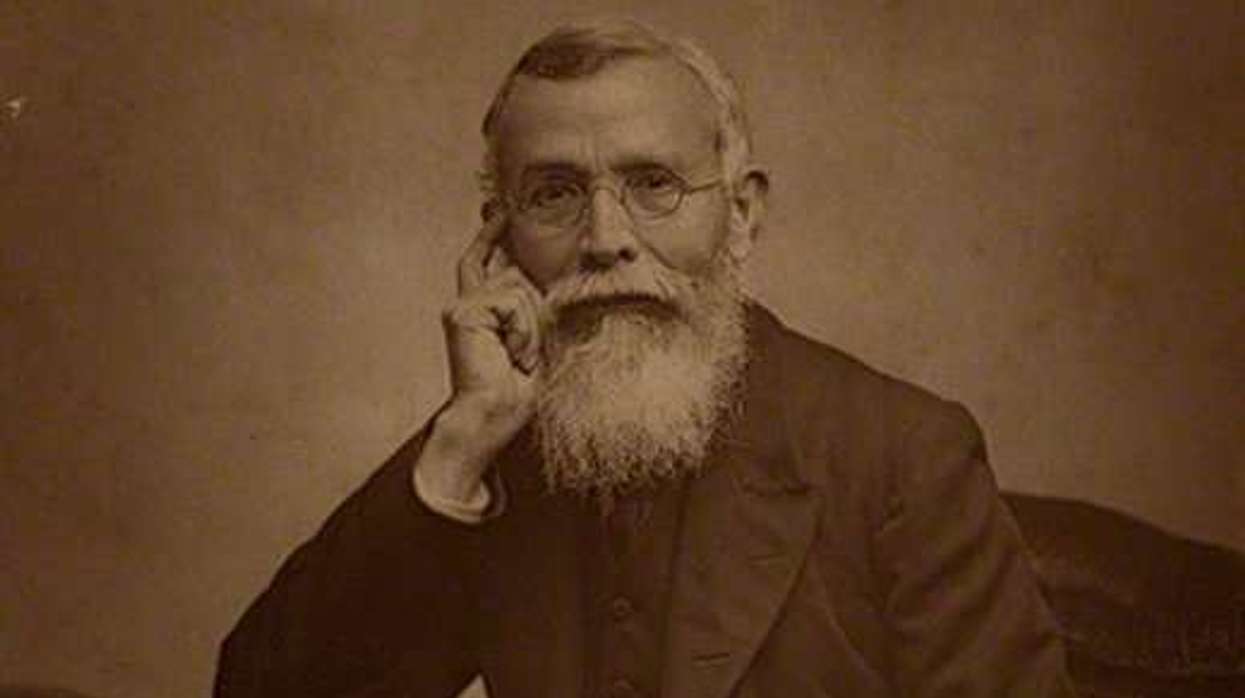
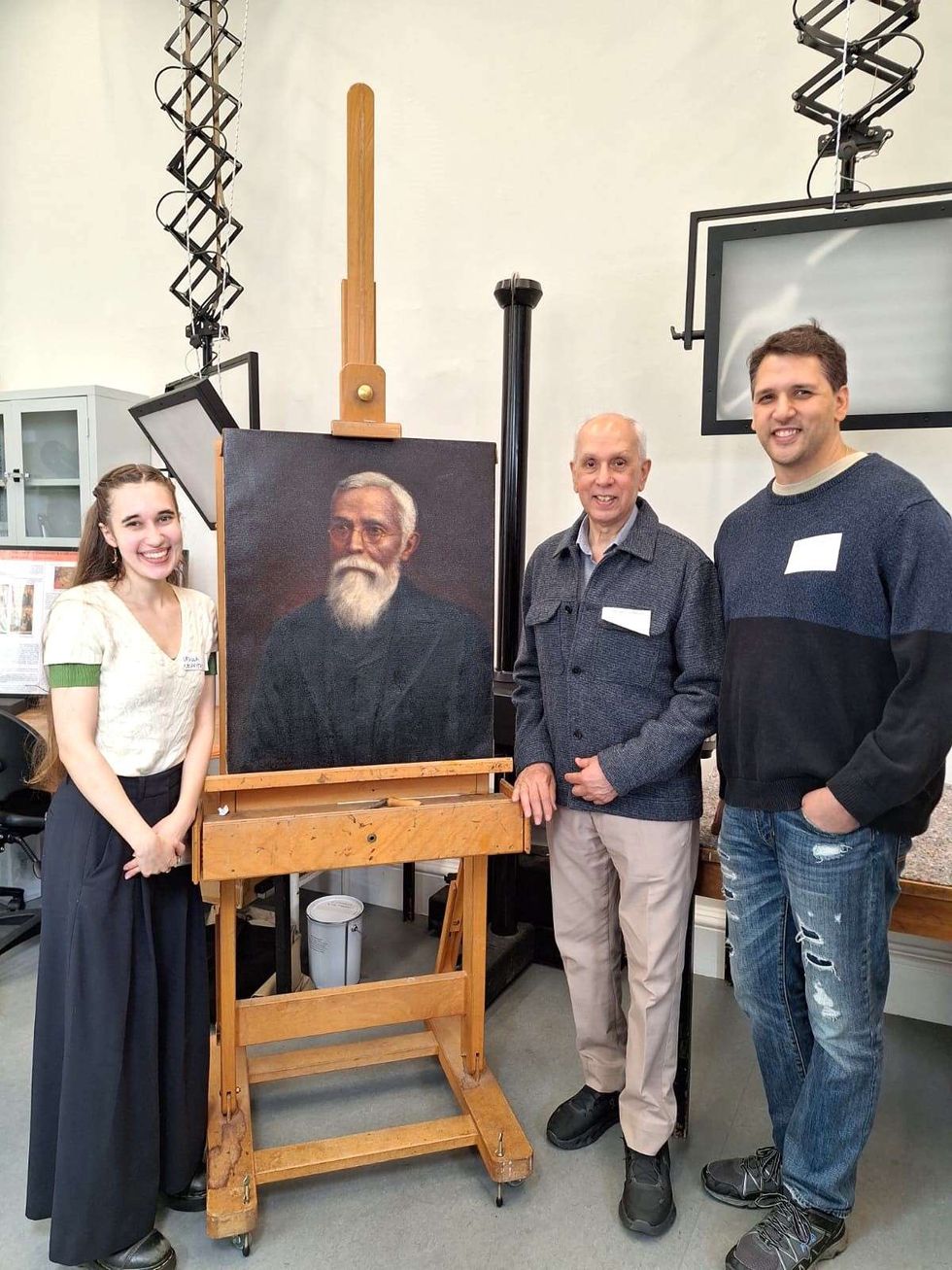 One restored portrait of Dadabhai NaorojiThe Courtauld Institute of Fine Arts
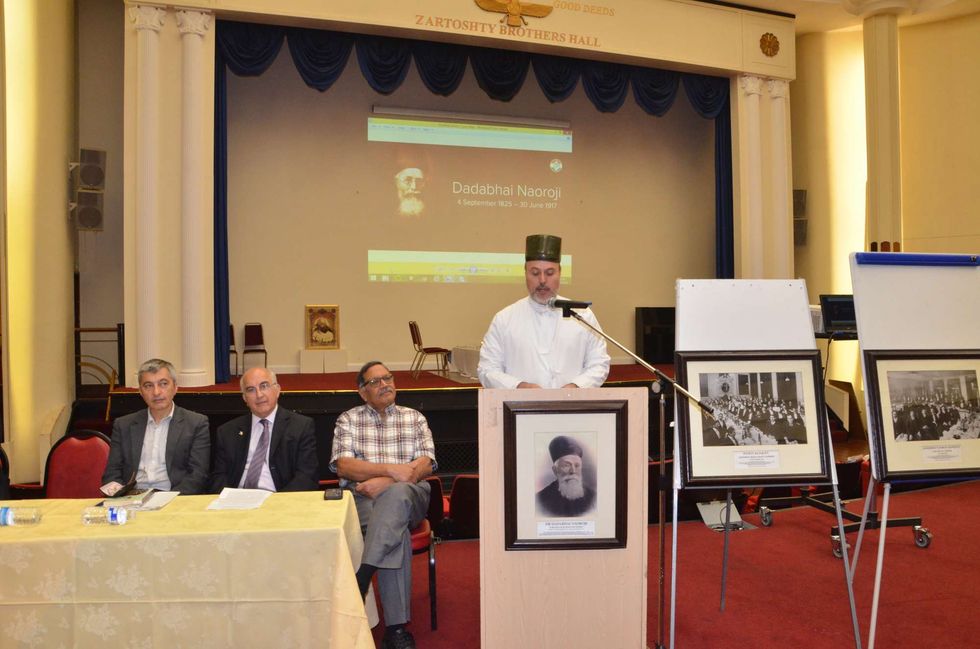 Malcolm Deboo speaking at Dadabhai Naoroji tribute Raj D Bakrania
 Amit Roy
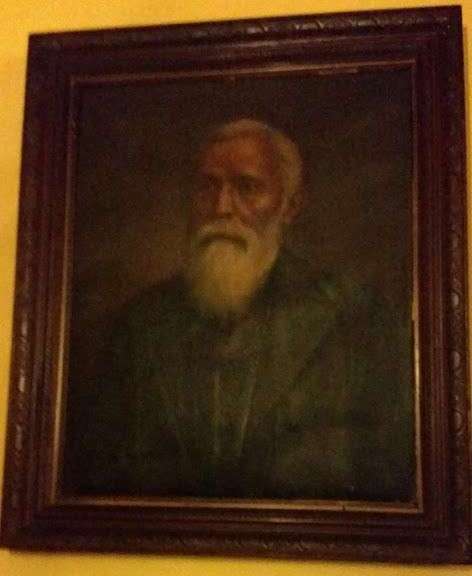 Dadabhai Naoroji portrait at India ClubAmit Roy
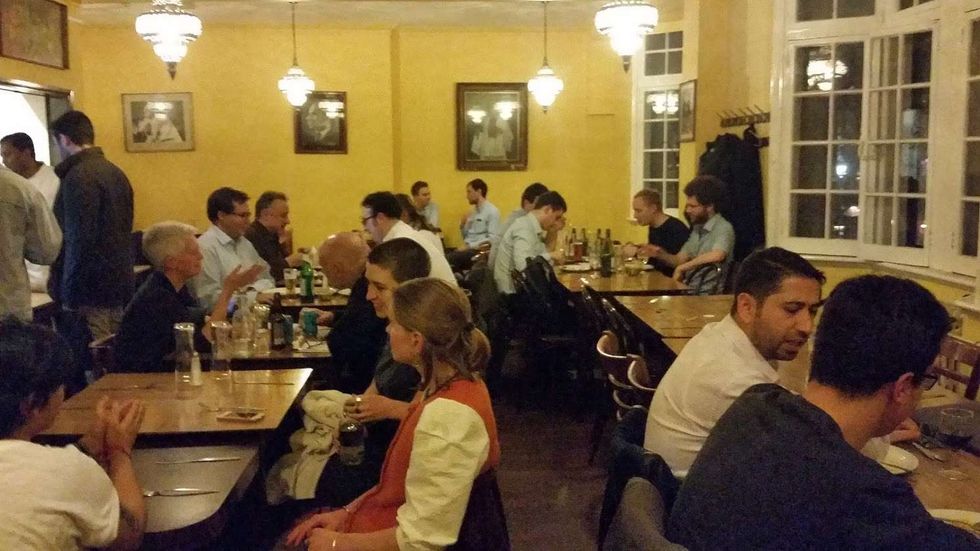 India Club restaurantAmit Roy
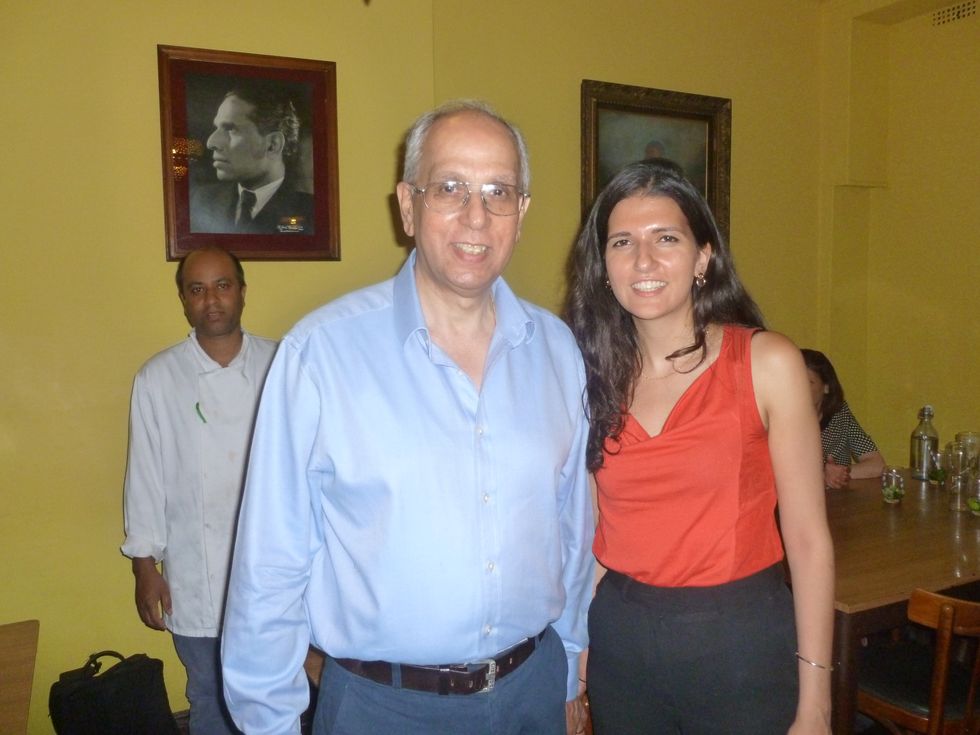 Yadgar Marker and his daughter Phiroza in front of a portrait of Krishna Menon at the India ClubAmit Roy
