
Highlights
- Former women Maoists from Bastar walked the ramp at a National Handloom Day event in Raipur
- The women showcased Kosa silk and other handwoven Chhattisgarhi garments
- Their appearance highlighted rehabilitation, empowerment and reintegration into civilian life
- Chhattisgarh Chief Minister Vishnu Deo Sai interacted with the participants at the event
For years, the word Maoist has been associated with armed insurgency in the forests of Chhattisgarh. But at a National Handloom Day event in Raipur, a group of former women Maoists presented a very different picture of what life after insurgency can look like.
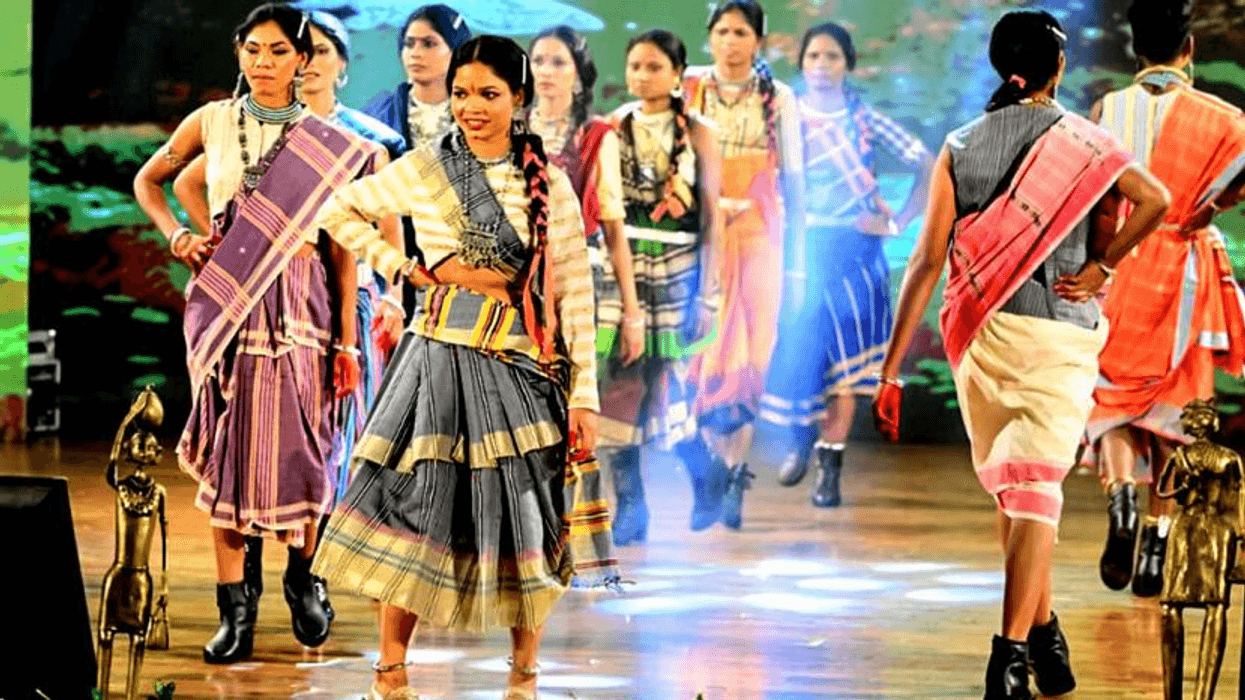
The women from Bastar walked the fashion ramp in traditional Chhattisgarhi handloom attire, confidently showcasing Kosa silk and other handwoven garments at the Pandit Deendayal Upadhyay Auditorium. Their appearance drew applause from the audience and quickly attracted attention online.
The significance of the event went beyond the clothes they wore. Their presence on the ramp reflected a journey away from conflict and towards civilian life, with rehabilitation creating opportunities for women who had once been part of the Maoist movement.
From conflict to a very different public life
The women’s participation offered a striking contrast to the environment associated with their past. Instead of operating within areas affected by Left Wing Extremism, they were appearing publicly to celebrate the textile traditions of their region.
The event also highlighted the possibilities that can follow surrender and reintegration. According to the report, many former Maoists are now pursuing new careers, working with organisations, taking part in social initiatives and exploring opportunities that were previously beyond their reach.
Chhattisgarh Chief Minister Vishnu Deo Sai also interacted with the participants and wished them success as they began new chapters in their lives.
Why the runway moment resonated online
The video from the event was widely shared on social media, with users reacting to the contrast between the women’s former lives and their confident appearance on the runway.
Some described the sight as almost unimaginable a few years ago, while others praised the women’s transformation and the opportunities available to people from regions that have faced decades of Left Wing Extremism.
For the participants, the fashion show represented more than a change of setting. It offered a public platform to take part in their region’s cultural life and to be seen for something far removed from the insurgency they had once been associated with.
Their appearance in Kosa silk and handwoven garments turned a fashion event into a visible reminder that rehabilitation can mean more than leaving a conflict behind. It can also mean finding a place, an identity and new possibilities within everyday civilian life.