
Skip to content
Search

Latest Stories

Submit Guest Post

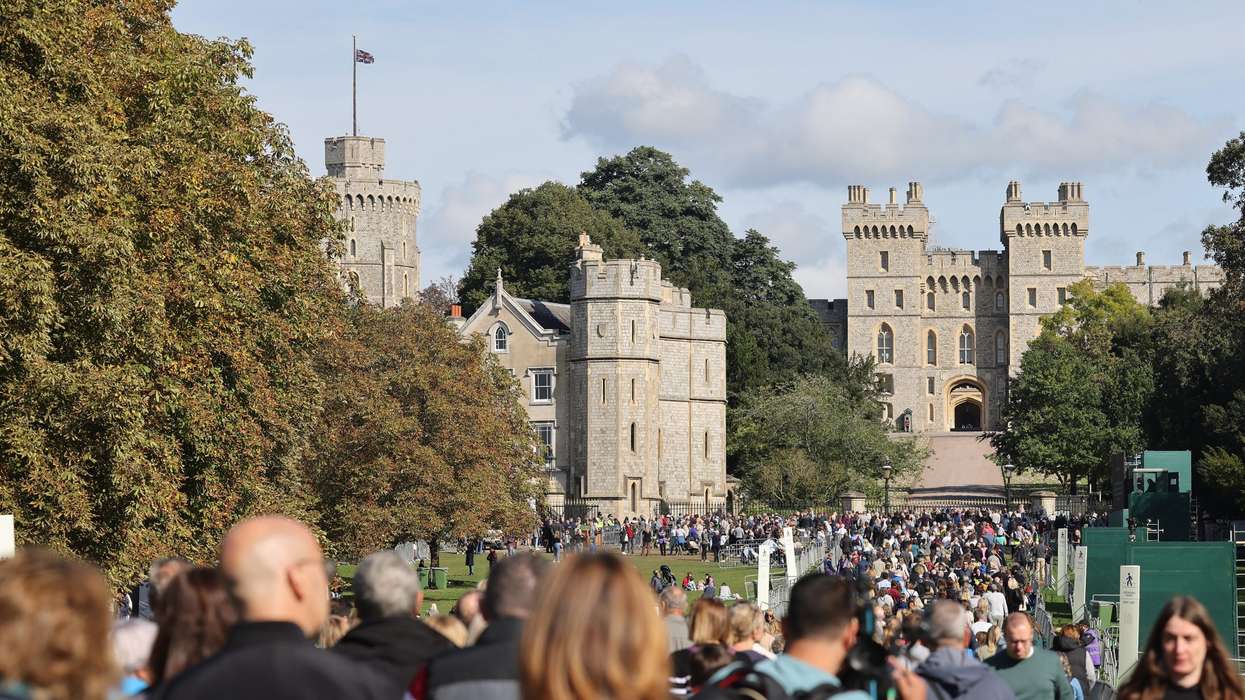
FACTBOX-Windsor Castle, Queen Elizabeth's home and now final resting place

Windsor Castle is the resting place of more than a dozen English and British kings and queens.

FACTBOX-Windsor Castle, Queen Elizabeth's home and now final resting place

Queen Elizabeth will be buried alongside her husband Prince Philip in a small chapel in the grounds of Windsor Castle in a private ceremony after her state funeral on Monday.

Her parents were also laid to rest in St. George's Chapel.


Elizabeth's funeral will be held at Westminster Abbey, before the coffin is driven to Windsor Castle, just west of London.

* Windsor Castle is the resting place of more than a dozen English and British kings and queens. Most are buried in St. George's Chapel, including Henry VIII, who died in 1547, and Charles I, who was beheaded in 1649.

* Founded by William the Conqueror in the 11th Century, it is the oldest and largest occupied castle in the world, according to the Royal Collection Trust website. It has been the home of 40 monarchs, including Queen Elizabeth.

* Work began on St. George's Chapel in 1475 under Edward IV, and it contains relics including the Cross Gneth - which legend says includes part of the cross Jesus was crucified on - and a sword Edward III purportedly used in battle.

* Queen Elizabeth commissioned the King George VI memorial chapel, named for her father, which is next to the quire of the main chapel, in 1962. It is where he and his wife, the Queen Mother, are interred, along with their younger daughter Princess Margaret.

* The coffin of Elizabeth's husband, Prince Philip, who died on April 9, 2021, last year, has been stored in a Royal Vault so that he can be buried alongside the queen.


Add EasternEye As Your Trusted Source
preferred source on google news

More For You

Bereaved families finance

The FCA has urged investment firms to make it easier for families to manage financial affairs after a death

iStock

Confusing paperwork and delayed payments: How can families protect their finances after a death?

  • Only 47 per cent of bereaved customers in an earlier FCA survey felt they had received the support they needed.
  • Some firms continued charging advice fees even when the related service was no longer being provided.
  • Families are being encouraged to seek clear information about paperwork, charges and access to money.

The death of a family member can leave relatives with a long list of financial responsibilities, from identifying savings and investments to settling an estate. But a review by the Financial Conduct Authority (FCA) suggests that dealing with some investment firms can add another layer of difficulty at an already distressing time.

The regulator examined how financial advisers, wealth managers and investment platforms support bereaved customers and people administering estates. While it found examples of firms providing thoughtful, personal assistance, others were falling short.

Keep ReadingShow less