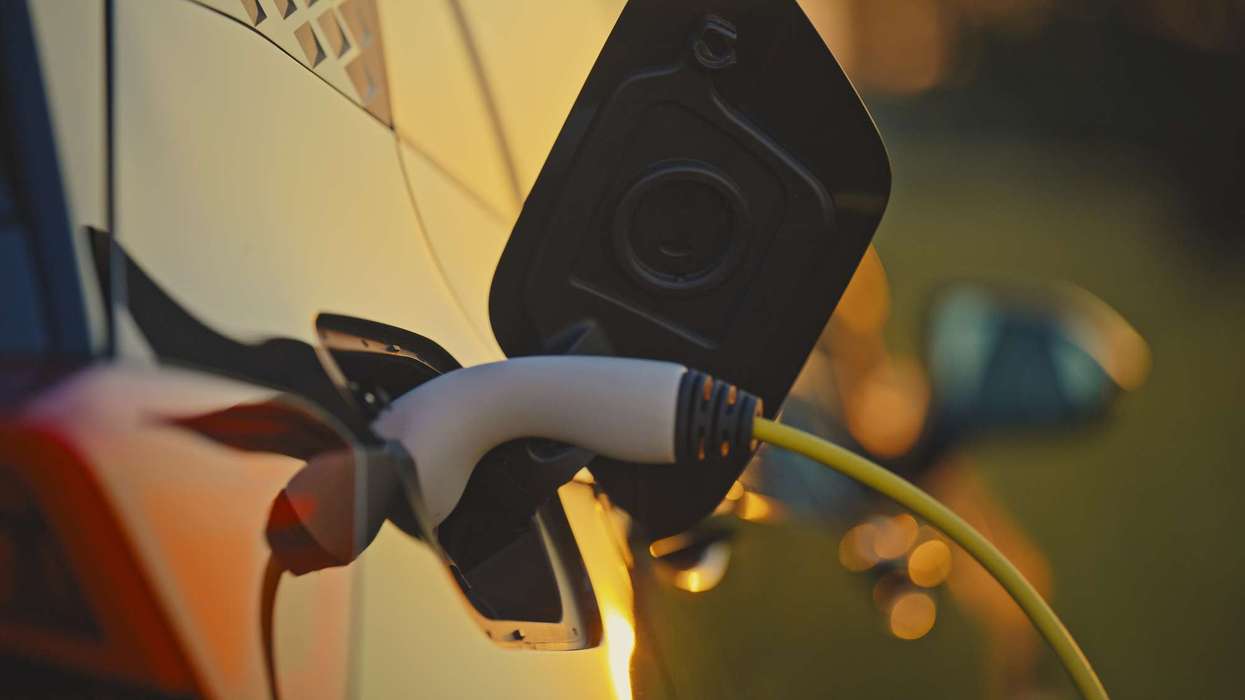

- EVs were less likely than petrol cars to fail their MOT after 90,000 miles.
- The gap widened further once vehicles passed 120,000 miles.
- Tyres and brakes remain areas where some older EVs performed worse.
Electric vehicles (EVs) may become a more reliable choice than petrol cars as they accumulate miles, challenging the long-standing assumption that a car with a high mileage is automatically more likely to develop problems.
An analysis of 47.4 million MOT tests found that EVs with between 90,000 and 120,000 miles on the clock had a failure rate of 16.5 per cent, compared with 22.1 per cent for petrol cars of the same age.
Beyond 120,000 miles, the difference was wider. About 16 per cent of EVs failed their MOT, compared with 23.5 per cent of petrol cars.
At lower mileages, however, the study found relatively little difference between the two types of vehicle.
The research, carried out by consultancy New AutoMotive for the British Vehicle Rental and Leasing Association (BVRLA), comes as more electric cars enter the used-car market.
Many secondhand EVs were previously used by companies or leasing fleets, meaning some can reach the market with relatively high mileages.
The mileage question is changing
Mileage remains one of the first things buyers consider when looking at a used car, and traditionally, a higher figure has been associated with greater wear and potential repair costs.
Toby Poston, chief executive of the BVRLA, said mileage should not by itself discourage buyers from considering an electric car.
“What this data shows is that mileage alone should not put consumers off. A well-maintained, higher-mileage electric car can be an extremely durable used vehicle,” he said.
Ben Nelmes, chief executive of New AutoMotive, said the findings suggested that high mileage did not necessarily indicate poor condition in the same way it might have been assumed to in the past.
The researchers linked the difference partly to the mechanical simplicity of electric drivetrains, which have fewer moving components than conventional petrol engines.
But the results do not mean that every high-mileage EV will be trouble-free.
EVs recorded nearly twice as many tyre defects as petrol cars in the analysis. Older EVs with relatively low mileages also showed more friction-brake defects, which researchers attributed to corrosion caused by brakes being used less frequently because of regenerative braking.
There is also an important limitation to MOT data. The test checks roadworthiness items such as brakes, tyres, suspension, steering and lights, but does not assess an EV's battery health, degradation or charging performance.
That means buyers considering a used EV still need to check its battery condition, service history, tyres and overall maintenance record alongside its MOT history.
The findings suggest that a high mileage may tell only part of the story when it comes to the reliability of a used electric car.