
Highlights
- Dutch court blocks BYD's Ti7 SUV across EU over Defender design infringement.
- JLR secured an injunction covering sales, production and delivery in 27 EU countries.
- BYD says the vehicle is its own design and will appeal.
- The Ti7 is expected to launch in Britain next year, outside the scope of the Dutch injunction.
A DUTCH COURT has barred Chinese carmaker BYD from selling its Ti7 sports utility vehicle (SUV) across the European Union after ruling that its design infringes the intellectual property rights of Jaguar Land Rover (JLR), in a setback for the company ahead of its planned European expansion.
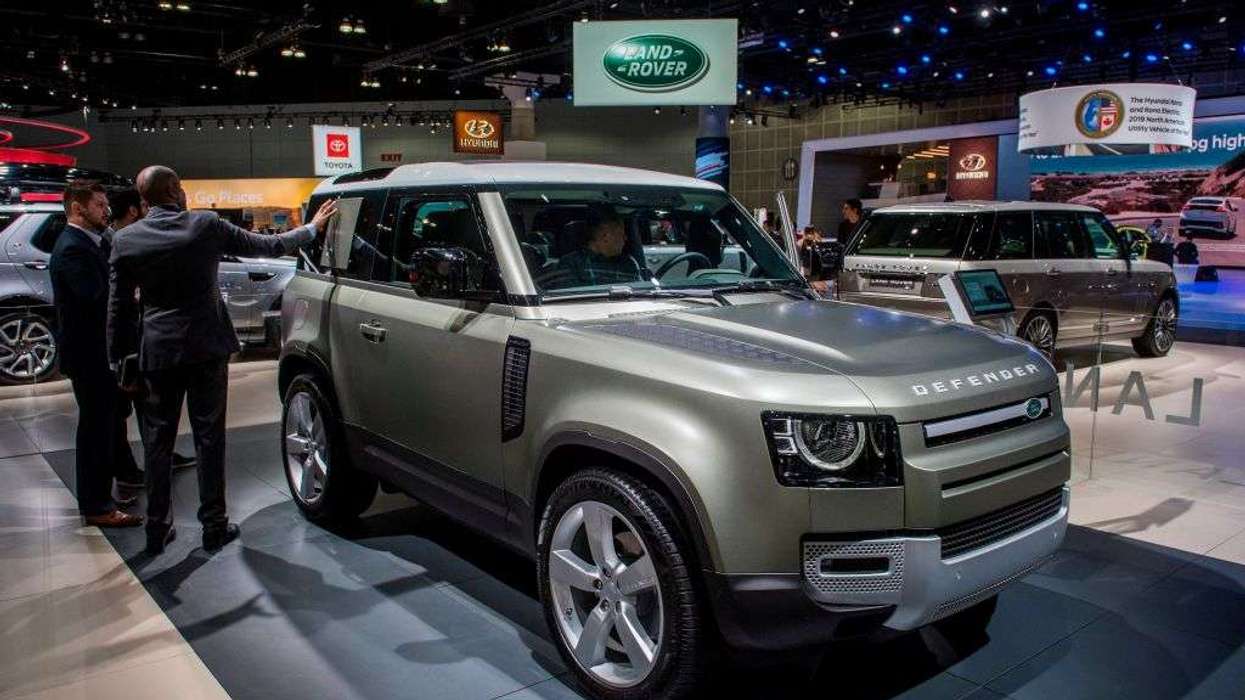
The Hague District Court issued an injunction on Friday (20) in favour of JLR, a subsidiary of India's Tata Motors, finding that the Ti7 closely resembles the British carmaker's popular Defender model.
The ruling applies across all 27 EU member states and prohibits importing, producing, selling, offering for sale, storing, and delivering the vehicle until the legal dispute is resolved.
BYD has said it strongly disagrees with the ruling and will appeal.
JLR initiated legal proceedings earlier this year after BYD announced on its UK website that the seven-seater Ti7 would be available for orders, with deliveries expected to begin in January 2027.
The court found that the BYD model reflected the Defender's distinctive design features, rejecting the Chinese carmaker's argument that the differences between the vehicles were sufficient to distinguish them.
The similarities cited in the case include their boxy shape, flat roof, upright proportions, wheel-arch design, tailgate styling and the panel behind the rear passenger door.
The judge identified six design elements that define the Defender, including its rounded shoulders, wheel-arch cut-outs, continuous glasshouse, signature panel, proportions and overall silhouette.
Injunction extends to production
The ruling also prevents BYD from manufacturing the Ti7 at its new factory in Hungary until the intellectual property dispute is resolved. The facility is expected to begin mass production of vehicles early next year.
The injunction will take effect a week after the ruling, as BYD told the court it had no concrete plans to launch the Ti7 in the EU at present.
The court, however, said it had no jurisdiction over BYD's UK affiliate, leaving the British market outside the scope of the injunction.
JLR is expected to pursue legal action in Britain ahead of the Ti7's planned UK launch. The SUV is expected to be priced at £47,995, considerably below the Defender, which starts at just under £72,000.
JLR has also brought claims relating to EU design rights in The Hague and copyright and alleged imitation in Rotterdam.
The ruling comes after a separate legal dispute over the seizure of digital material from BYD's Dutch offices in Schiedam and Hoofddorp during raids in August. BYD successfully challenged the seizure, arguing that it amounted to a fishing expedition. A Dutch judge subsequently ordered JLR to return the material.
BYD plans appeal
JLR said it would continue to defend its intellectual property rights.
"We protect our intellectual property and take legal action when necessary," the company said in a statement, adding that legal proceedings were ongoing and it would not comment further.
BYD said the Ti7 was the result of its independent design work and did not infringe JLR's rights.
"We strongly disagree with today's judgment and will appeal it. The BYD Ti 7 is the result of BYD's own independent design work and infringes none of JLR's rights. We will pursue every legal avenue to demonstrate that this decision is incorrect," the company said.
The case is an unusual instance of a major European carmaker securing an early court ruling against a Chinese competitor over vehicle design. Automakers have long raised concerns about imitation of their models, although relatively few such disputes have resulted in court rulings.
JLR previously secured a ruling in 2019 against Jiangling Motor Corporation over the Landwind X7, which it argued closely resembled the Range Rover Evoque.
BYD has expanded rapidly in Europe since launching sales in late 2022. Its sales in the region more than doubled to over 280,000 vehicles in the first nine months of this year compared with the same period in 2025, according to European Automobile Manufacturers' Association data, surpassing Ford, Tesla and Nissan.