
Highlights
- Drishyam 3 takes a more emotional route instead of relying on familiar twists
- The film places Georgekutty in a far more vulnerable position than before
- Mohanlal’s understated performance is emerging as one of the strongest talking points
- Reactions appear divided over the shift in the franchise formula
Georgekutty faces a different kind of challenge
From the moment Drishyam 3 was announced, expectations centred around one question: what could possibly top the twists of the first two films? After years of fan theories and endless speculation, many expected another tightly crafted game in which Georgekutty stayed several steps ahead of everyone.
Instead, Jeethu Joseph takes a different approach. The film moves away from treating Georgekutty as an unstoppable mastermind and shifts attention towards the emotional burden he carries. Continuing after the events of Drishyam 2, Georgekutty is trying to focus on family life, particularly Anju’s future and marriage, but the feeling that someone is still watching him refuses to disappear.
One of the biggest shifts this time is that Georgekutty no longer appears entirely in control. Rather than leading the game, he often finds himself reacting to events around him, creating a different dynamic from earlier films.
Fans are talking more about emotion than twists
Much of the conversation surrounding the film seems to revolve around its departure from the franchise formula. Earlier instalments built momentum through carefully planted clues and explosive reveals, but Drishyam 3 appears more interested in exploring the psychological effects of everything Georgekutty has endured.
The climax, in particular, has become a major talking point because it aims for emotional shock instead of a whistle-worthy reveal. For some viewers, that change adds freshness. Others may miss the thrill of watching Georgekutty execute another flawless plan.
Mohanlal keeps the film grounded
While opinions may differ on the narrative direction, Mohanlal’s performance appears to be drawing broad praise. Georgekutty carries greater vulnerability this time, and Mohanlal brings a quiet intensity that makes those moments feel natural.
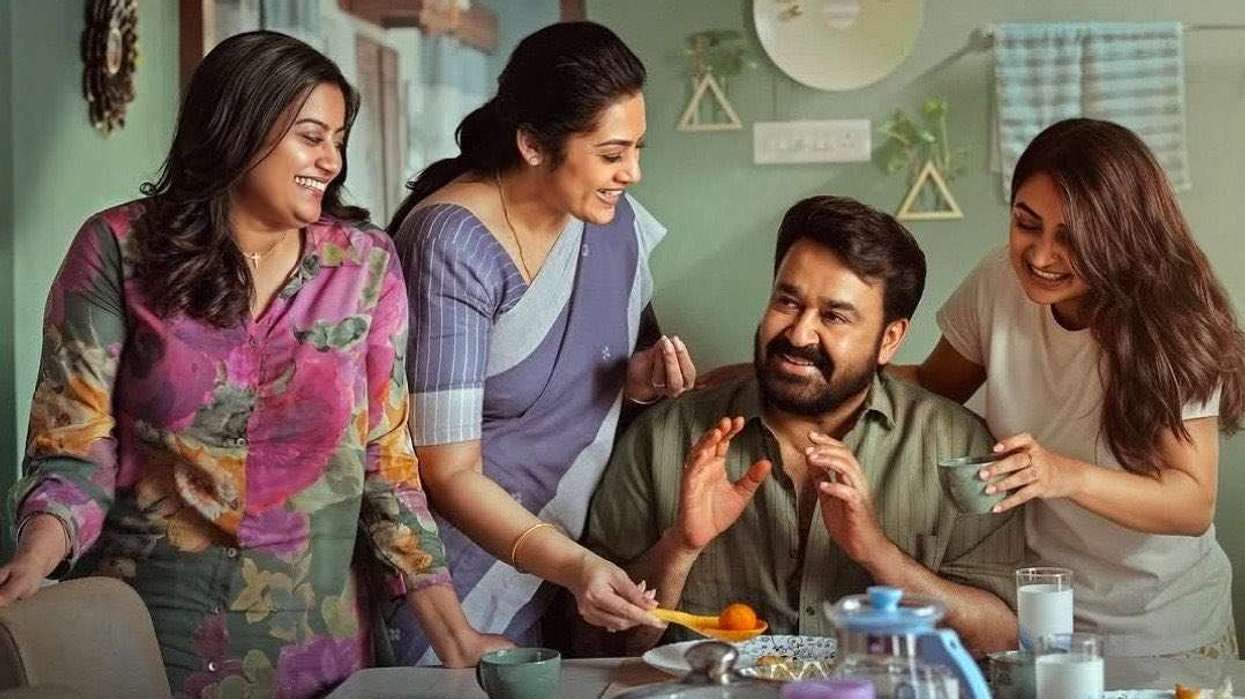
Meena sustains the emotional rhythm of Rani, while Ansiba Hassan and Esther Anil are given more room within the family dynamic. There are moments where the dialogue feels overly explanatory, but the performances often help smooth over those rough edges.
Drishyam 3 may not deliver the Georgekutty many expected, but it offers a version of the character shaped by years of fear, guilt and survival. That change is likely to define much of the conversation around the film.